
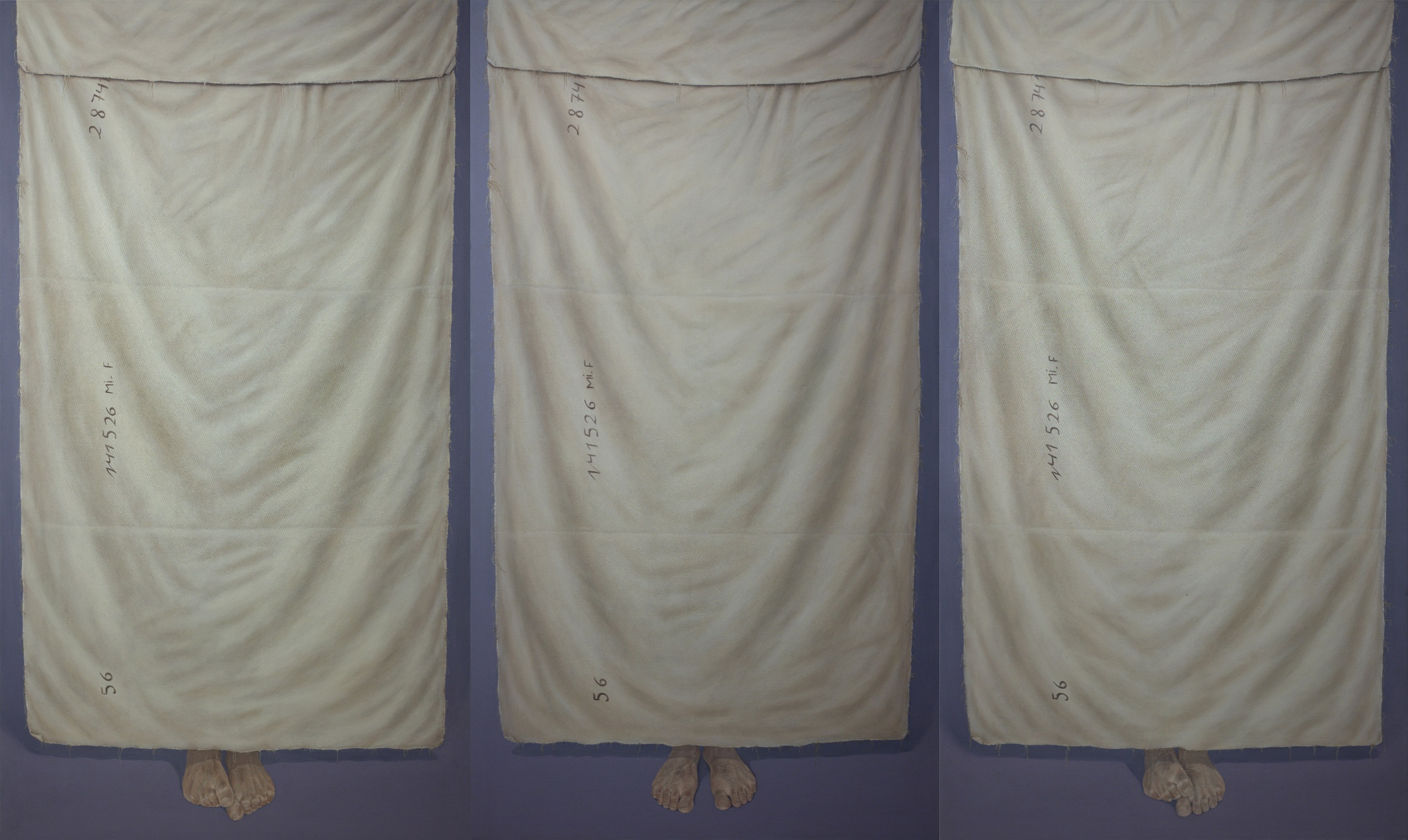
Shiva Zahed Gallery presents Against Transparency, a solo exhibition by Iranian artist Ahmad Rafi, on view from 22 May through 5 July, curated by Shiva Zahed. Bringing together a landmark selection of works produced over the past two decades, the exhibition revisits Rafi’s longstanding investigation into visibility, representation, and the limits of the image through the lens of today’s increasingly urgent global conversations.
Rather than treating painting as a transparent window onto reality, Rafi’s works focus on opacity. Veiled figures, obscured interiors, layered surfaces, and suspended forms resist immediate recognition, inviting viewers into a slower and more uncertain encounter with the image. His paintings deliberately frustrate expectations of visual clarity, positioning perception not as an act of instant access but as an ongoing process of negotiation.
Shiva Zahed, the exhibition’s curator, notes that these works resonate with renewed urgency in the contemporary moment. At a time when visibility has become closely associated with exposure, accessibility, and constant circulation, Rafi’s paintings reclaim the value of what remains concealed, unresolved, and resistant to immediate interpretation.
Right to Opacity
The exhibition places Rafi’s practice in dialogue with Édouard Glissant’s influential concept of the “Right to Opacity,” framing his paintings within broader discussions surrounding surveillance, systems of visibility, and the politics of the gaze. Rather than offering transparent narratives, Against Transparency proposes opacity as a critical position—one that challenges the demand for total legibility and opens space for ambiguity, distance, and reflection.
Born in Tehran in 1961, Ahmad Rafi’s artistic trajectory has been profoundly shaped by displacement and migration. Following two and a half years of compulsory military service on the frontlines of the Iran-Iraq War, he left Iran in 1986, eventually settling in Germany via Barcelona. These experiences continue to inform a practice that approaches figurative painting not simply as representation but as a means of critical inquiry into memory, presence, and perception.
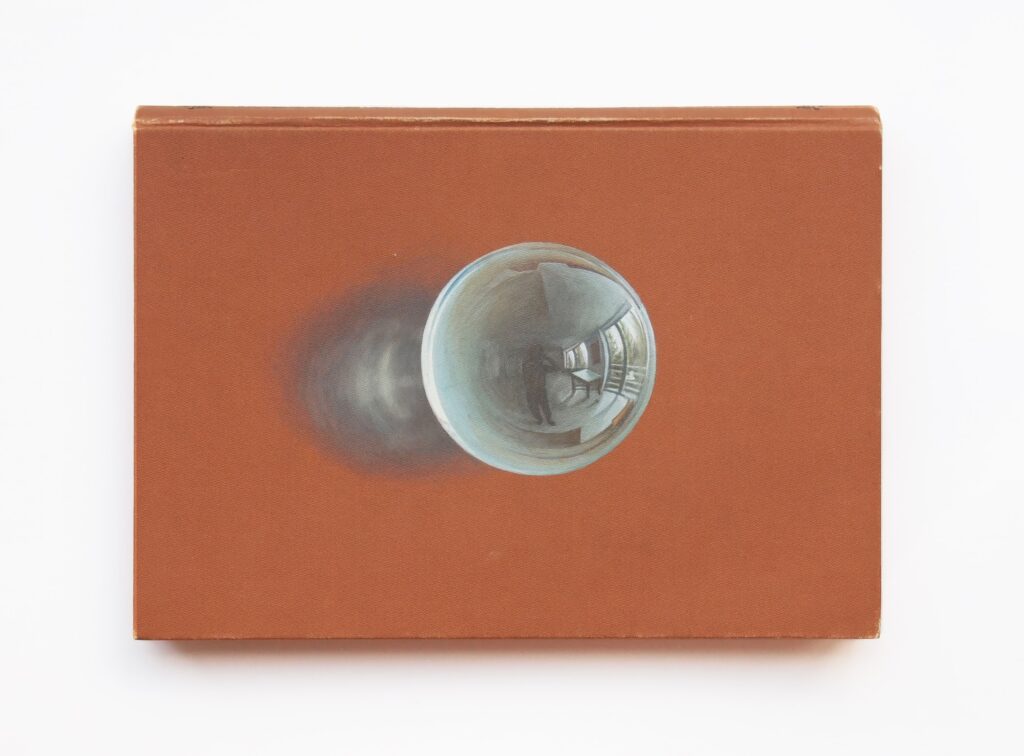
Although painting remains central to his practice, Rafi has consistently expanded its possibilities. Beyond the conventional canvas, he has painted directly onto antique art history books and, in recent years, developed installation-based works that integrate moving image and sound. These interdisciplinary explorations maintain painting’s conceptual core while continually testing the boundaries of its material language.
Alongside his artistic practice, Rafi has also established himself as a curator, creating platforms that bring together artists from diverse backgrounds to engage with pressing social and cultural questions. Across both his curatorial and artistic work, his practice remains committed to examining the complex relationship between visibility, history, and the politics of representation.