




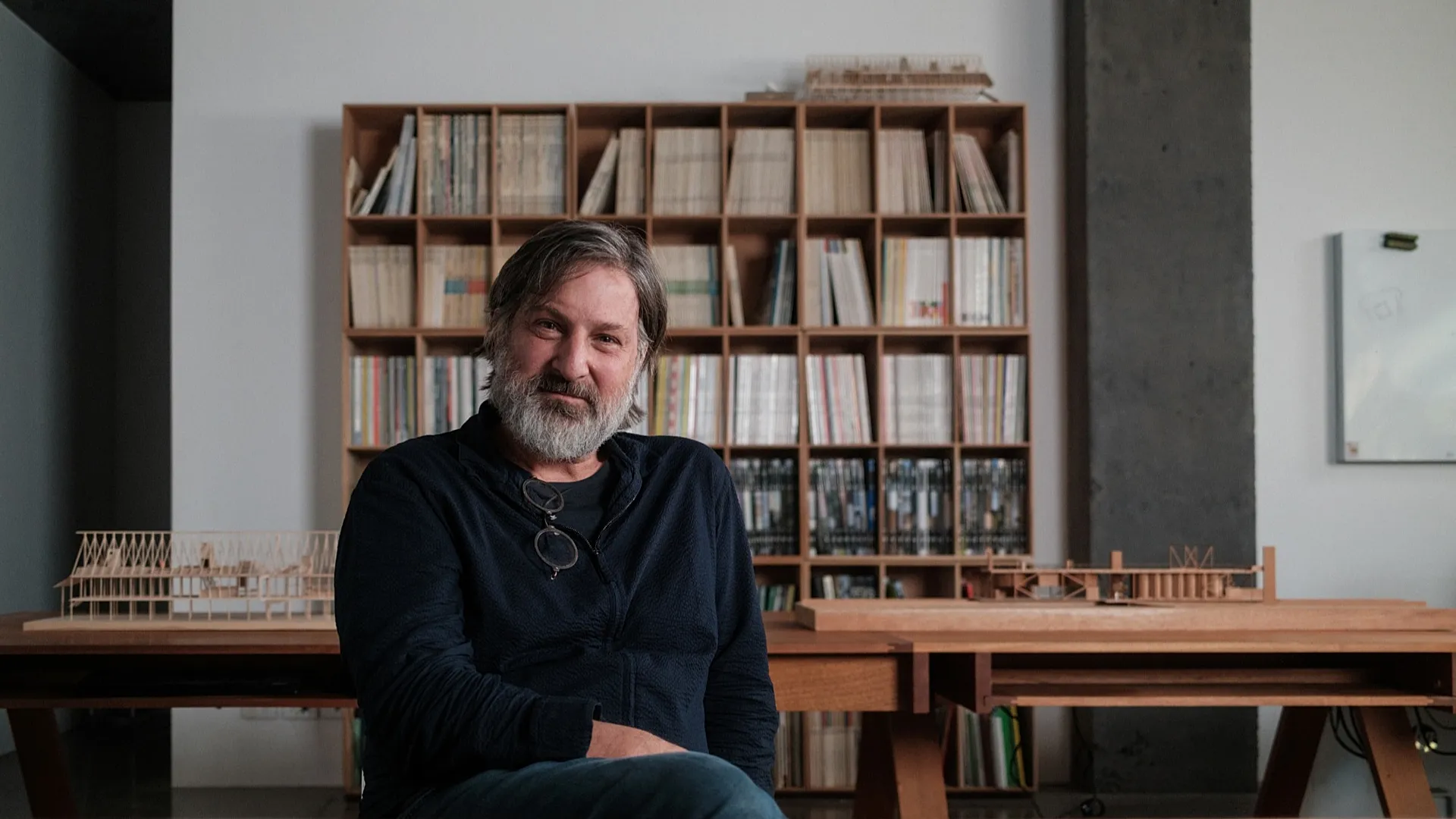
Smiljan Radić Clarke has been named the recipient of the 2026 Pritzker Architecture Prize, widely regarded as the most prestigious award in architecture. Often referred to as the “Nobel Prize of Architecture,” the announcement of this year’s prize had been delayed after the name of Tom Pritzker, chairman of the foundation, appeared in files related to convicted sex offender Jeffrey Epstein. Following this disruption, the award was ultimately granted to the Chilean architect Smiljan Radić Clarke. Although Tom Pritzker stepped back from the chairmanship, he continues to serve in director and vice-chair roles.
History of the Pritzker Prize
The Pritzker Prize is an international award given annually to “a living architect or architects whose built work demonstrates a combination of talent, vision, and commitment, producing consistent and significant contributions to humanity and the built environment through the art of architecture.” Established in 1979 by Jay A. Pritzker and his wife Cindy Pritzker, the prize is funded by the Pritzker family and supported by the Hyatt Foundation.
Recent recipients include Liu Jiakun (2025), Riken Yamamoto (2024), David Chipperfield (2023), and Diébédo Francis Kéré (2022).
The Architecture of Smiljan Radić
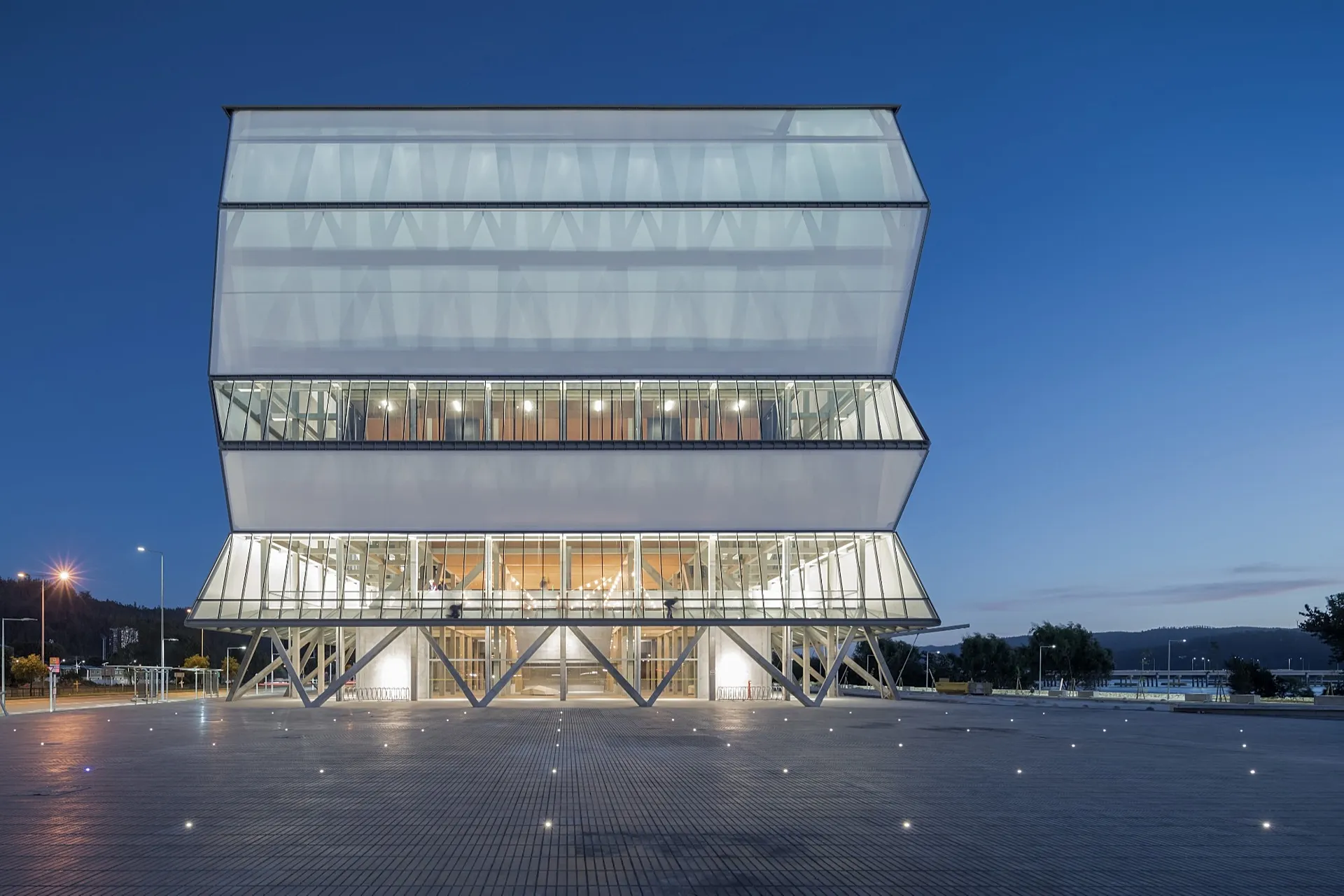
The work of Chilean architect Smiljan Radić Clarke is shaped by concepts such as fragility, transience, and ambiguity. Rather than appearing permanent and heavy, his structures often feel light, almost temporary. In his architecture, possibility takes precedence over certainty, and sensitivity over strength. His buildings rarely appear “finished”; instead, they seem as if they are still in a state of transformation. This approach turns architecture from a fixed object into a living experience.
In 2017, Radić founded the Fundación de Arquitectura Frágil. Located within his home-studio in Santiago, the foundation supports experimental architecture that challenges disciplinary boundaries. Through exhibitions, workshops, and collaborative production processes, it reflects a belief in architecture as a collective and continuously evolving practice.
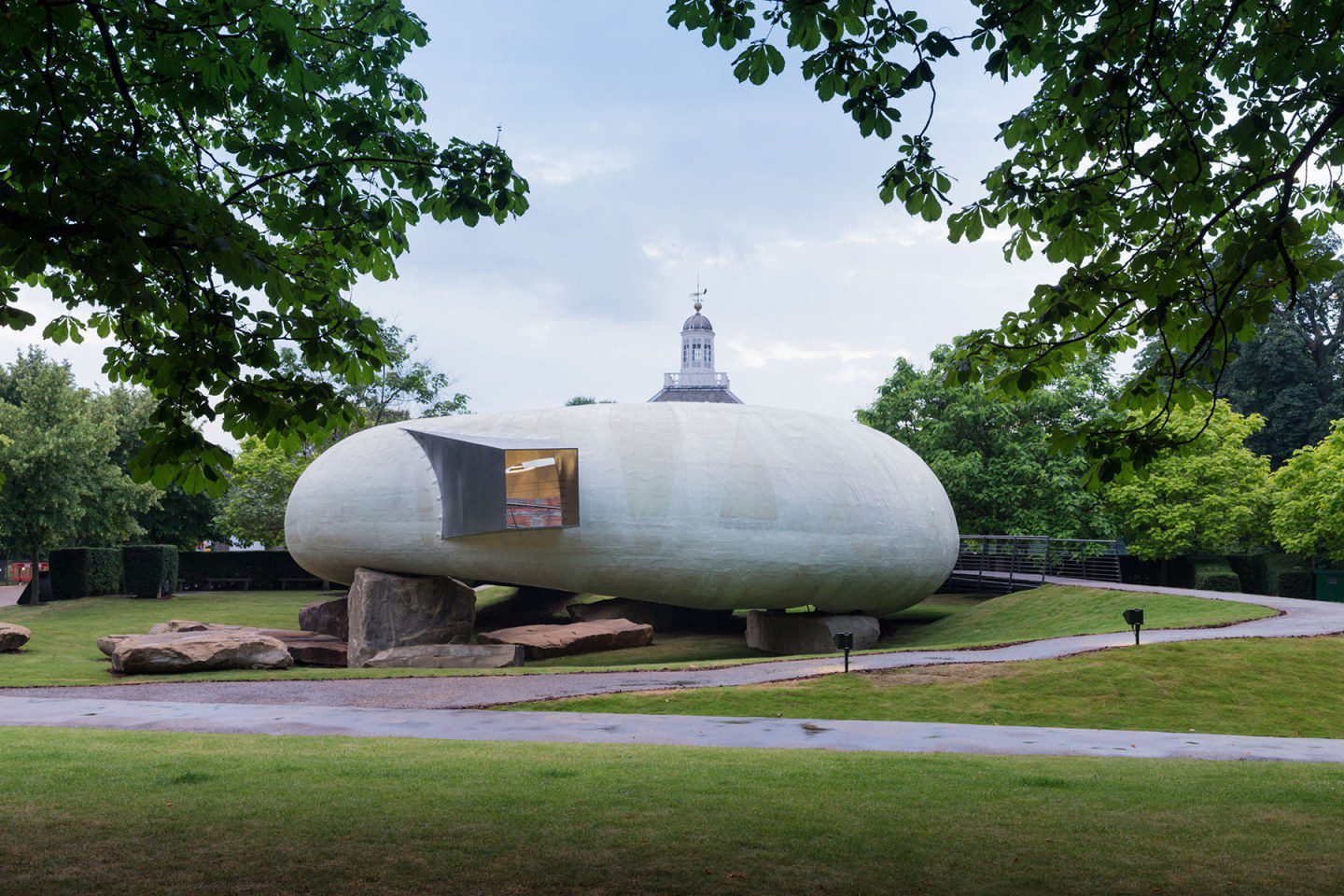
One of his best-known works in Europe is the Serpentine Gallery Pavilion in London. Composed of a semi-transparent fiberglass shell resting on large supporting stones, the structure creates a temporary shelter that is neither fully enclosed nor entirely open. Radić’s work points to an architectural sensibility attuned to emotional presence and the quiet intelligence of construction.

Background of the Chilean Architect
Born in Santiago to an immigrant family, Radić grew up with roots spanning Croatia—through his father’s family from the island of Brač—and the United Kingdom on his mother’s side. This background contributed to a deeper awareness of belonging and led him to see life not as something inherited, but as something constructed.
Radić is an internationally recognized architect who has received numerous awards and participated in prestigious exhibitions. Among his earlier honors are Best Architect Under 35, the Architectural Record Design Vanguard award, the Oris Award, the Arnold W. Brunner Memorial Prize, and the Grand Prize at the Pan-American Architecture Biennial.
His path into architecture did not emerge from a sudden moment of revelation but developed gradually through experiences, doubts, and discoveries. He spent much of his childhood drawing and first encountered architecture at the age of fourteen through a school assignment to design a building. In retrospect, this early experience resonates strongly with the work he would later produce.
Radić studied architecture at the Pontifical Catholic University of Chile but initially failed his final graduation exam in 1989 before eventually completing his studies. This failure became a transformative experience; he went on to study history at IUAV University of Venice and embarked on extensive travels, which he considers a crucial part of his education.
His approach extends beyond traditional definitions of the discipline, incorporating philosophy, art, and mythological and literary references that deeply inform both his imagery and forms.
“Ideas live within objects,” he reflects. “I have always tried to create environments where others can discover emerging ideas.”
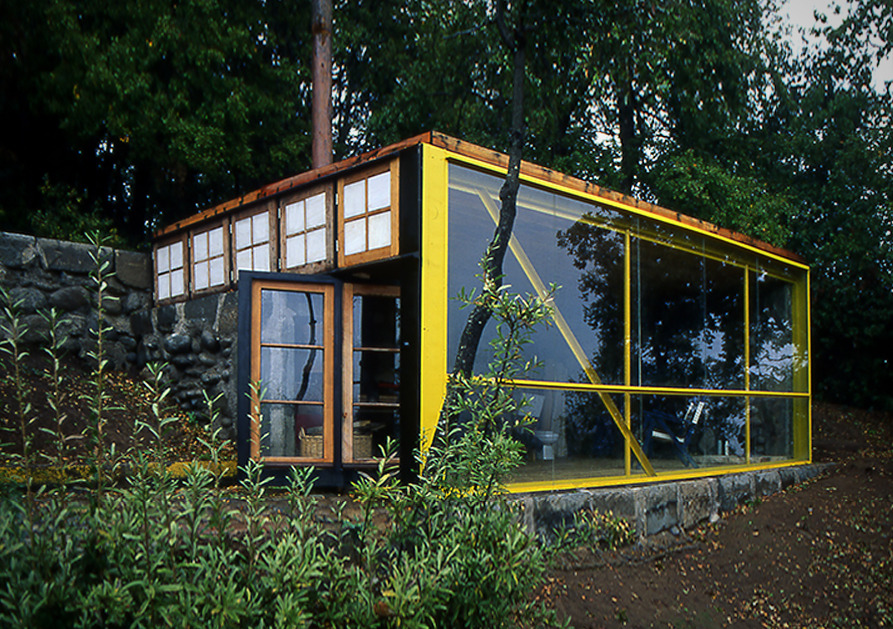
During his university years, he met sculptor Marcela Correa, who would later become both his client and his wife. Together, they designed and built Casa Chica in Vilches—a 24-square-meter structure constructed by hand in the Andes Mountains, and one of Radić’s early small-scale experimental houses. Although they occasionally collaborate directly, their ideas are primarily exchanged through an ongoing, everyday dialogue.
Radić also collaborated with Correa on The Boy Hidden in a Fish, an installation presented at the 2010 Venice Architecture Biennale, curated by Kazuyo Sejima. Made of granite and cedar, the work was exhibited at the entrance of the 12th International Architecture Exhibition and reflects his sensitivity to the human body and emotion by embedding figures within mass.
Radić’s personal experiences and constant questioning have led him to rethink the concept of “enclosure” in terms of resistance, care, and quiet resilience. Today, the Pritzker Prize–winning architect continues to practice from his small studio in Santiago, maintaining architecture as a deeply personal, attentive, and emotionally resonant discipline.