Netflix has announced that it is developing a new series centered on the turbulent relationship and artistic lives of Frida Kahlo and Diego Rivera.
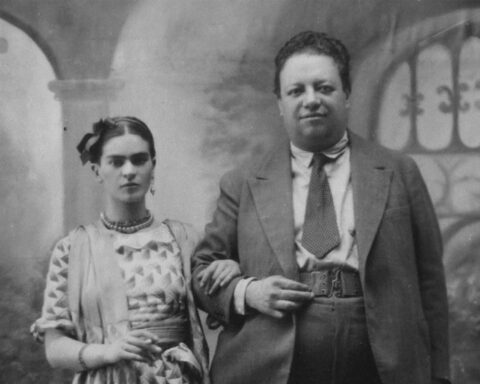






Netflix has announced that it is developing a new series centered on the turbulent relationship and artistic lives of Frida Kahlo and Diego Rivera.
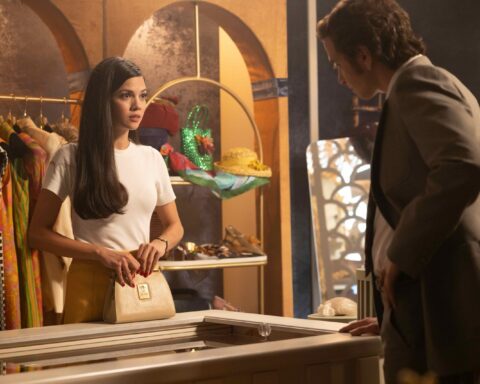
In Orhan Pamuk’s The Museum of Innocence, memory is constructed not through words but through objects that are touched, kept, and taken from their places.
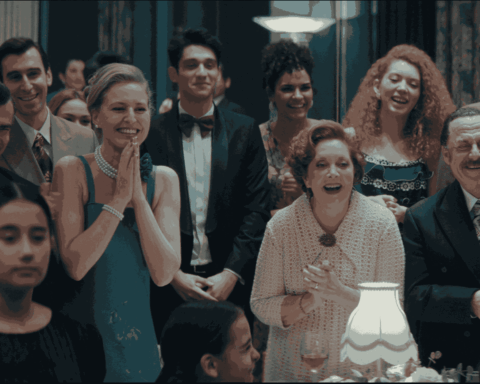
In the new Netflix series The Museum of Innocence, adapted from the novel of the same name by Orhan Pamuk, the camera proposes a distanced gaze that moves closer to the characters’ states of mind rather than constructing a nostalgic period aesthetic.
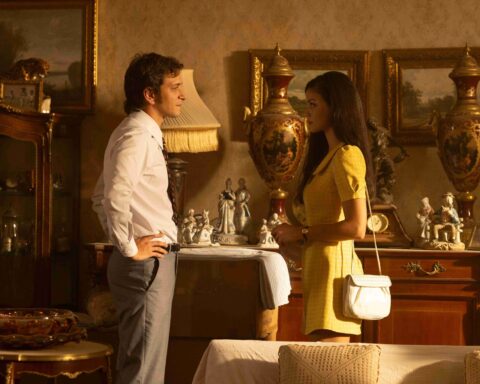
The series treats space not as a backdrop but as a vessel of memory, obsession, and time; objects are not displayed, they accumulate as fragments of meaning.
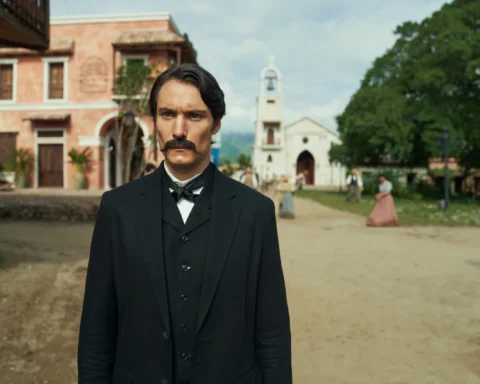
Gabriel García Márquez’s "One Hundred Years of Solitude" captivates audiences anew with a special edition reprint and Netflix’s ambitious, visually stunning adaptation, bridging the realms of literature and cinema.
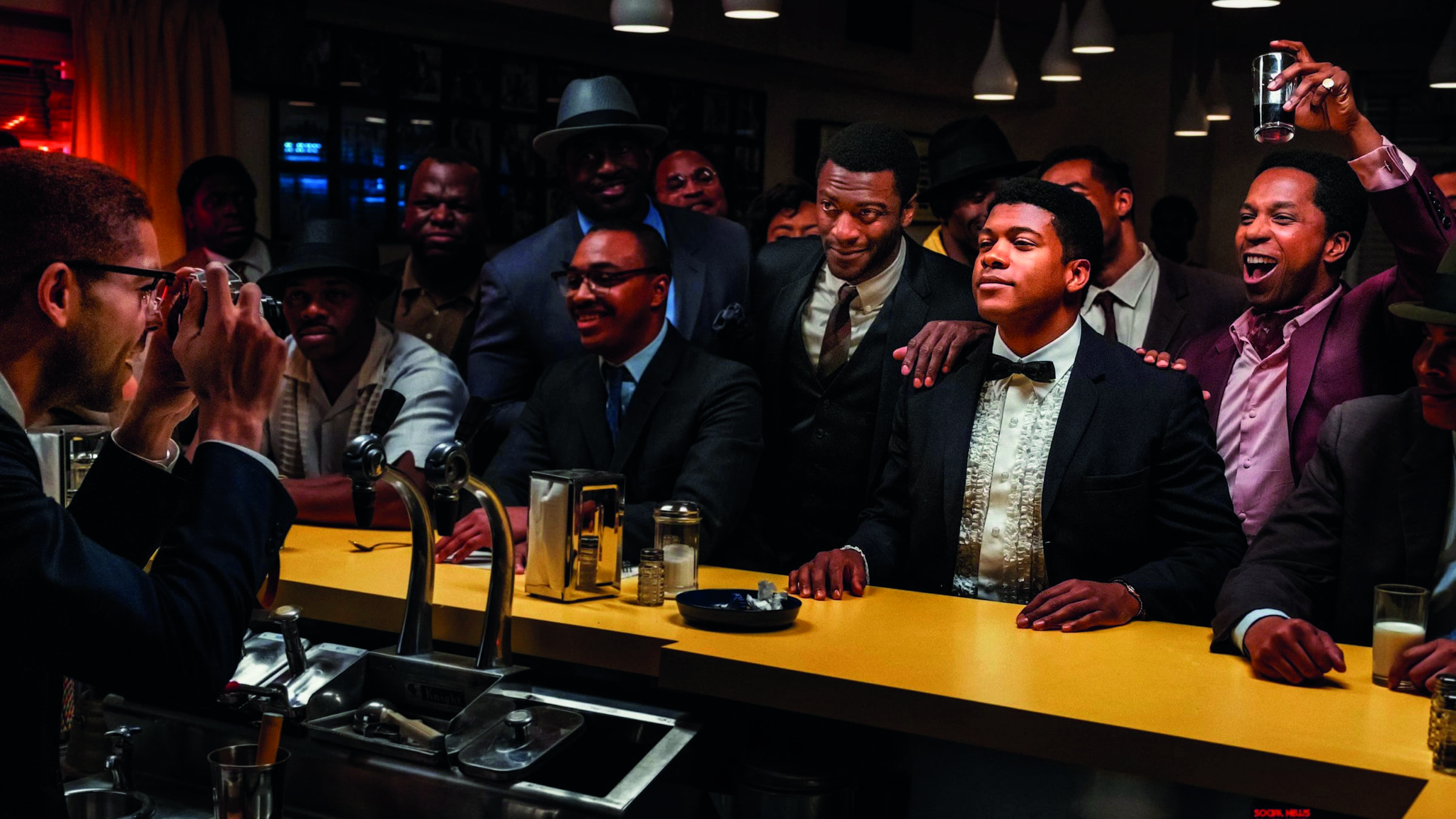
How It Started… In the first days of the new decade, theaters opened with the final chapter of the iconic trilogy, Star Wars: The Rise of Skywalker, Sam Mendes’ one-shot war drama 1917, and Greta Gerwig’s period drama Little Women. On February

My previous column was on cinema. Actually, it was on cinematic, fictional TV series, centering on the late Rainer Werner Fassbinder. While I enjoy writing about film (not writing critiques of it, just writing about it) I did not think I would