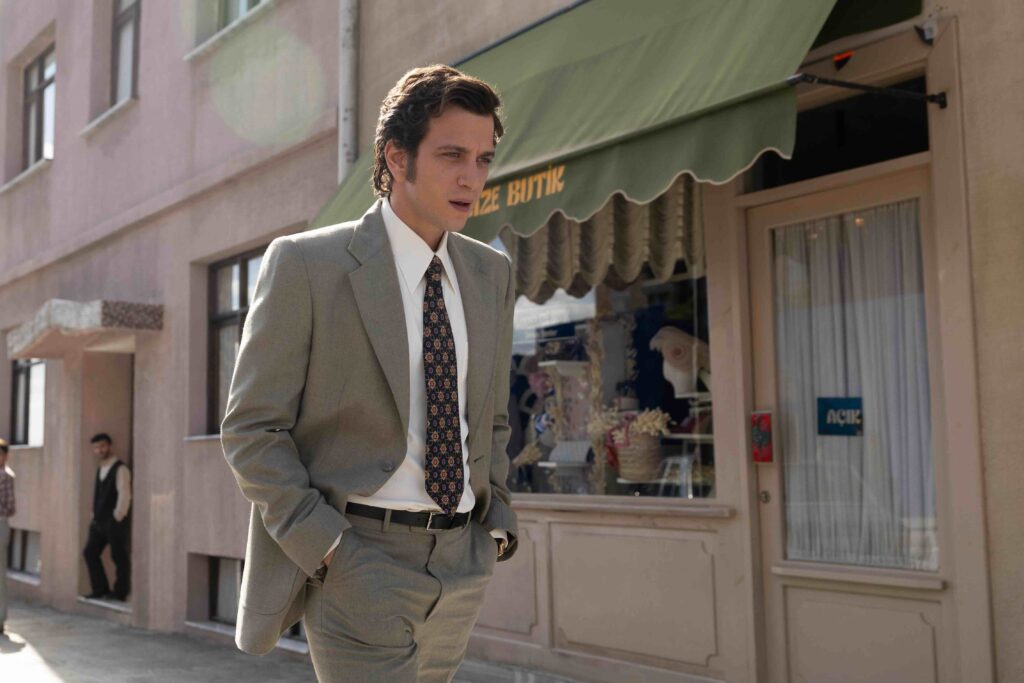
We spoke with director Zeynep Günay and Orhan Pamuk about Netflix’s The Museum of Innocence, a timeless adaptation that feels as if it unfolds inside the book.



We spoke with director Zeynep Günay and Orhan Pamuk about Netflix’s The Museum of Innocence, a timeless adaptation that feels as if it unfolds inside the book.
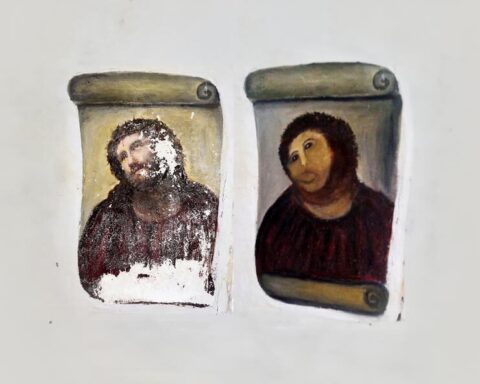
When carried out without critical reflection, the animation of old photographs and the excessive restoration of historical works serve this sense of pathological nostalgia; they attempt to cover over loss, fragility, trauma, and every historical trace, producing an easy, seamless fantasy of
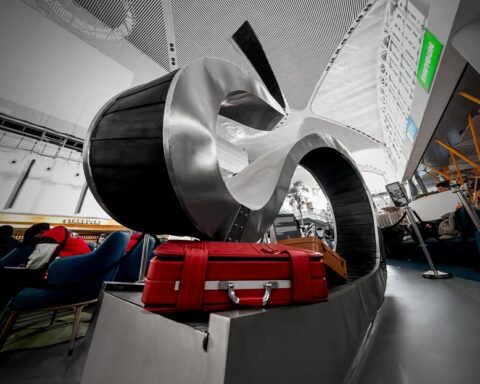
Widely known for his television persona, Beyazıt Öztürk brings into view his sculptural practice—long sustained in the background—this time within a public and familiar setting. Presented under the umbrella of İGA ART at İGA Istanbul Airport, the exhibition “Things” traces memory, time,
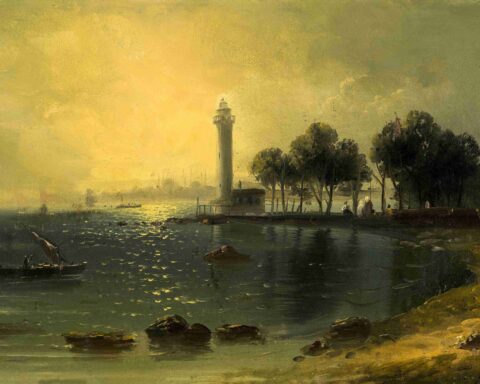
The exhibition Memory of the Collective: İBB Collections brings together 627 works by 187 artists at Artİstanbul Feshane. Led by Berna Türemen, Ali İsmail Türemen, and Cengiz Akıncı—with 311 works added to the collection through donations—the exhibition publicizes Istanbul’s 200-year artistic memory.
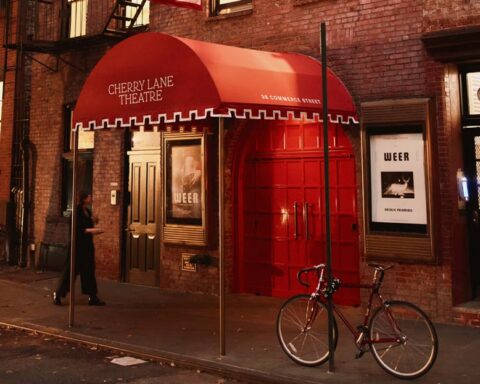
Unlike the editing table in cinema, in theatre each performance becomes a new connection formed instantaneously between the actor and the audience. Productions such as “Weer,” the performance by Natalie Palamides staged at Cherry Lane Theatre, are defined as works that cannot
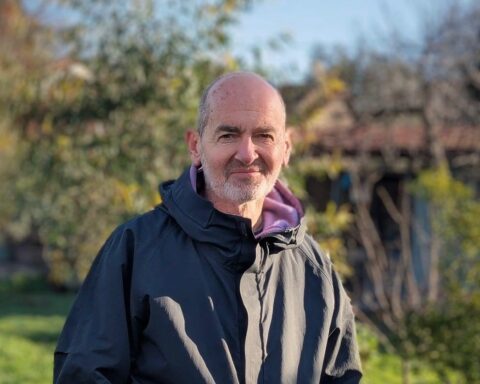
Vasıf Kortun’s curatorial and intellectual journey spanning nearly forty years comes together in the book “Where Did We Come Here From: Reading Vasıf Kortun,” consisting of a river conversation conducted by Sezin Romi; published by Salt and Robinson Crusoe 389, the book
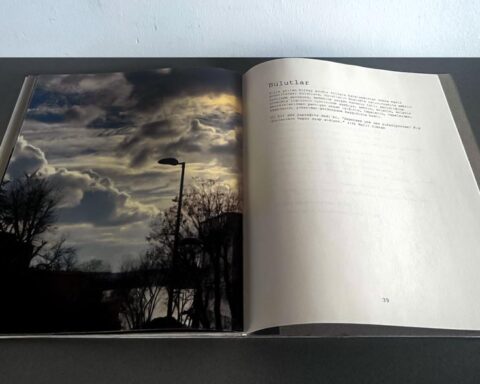
The exhibition “İçeriye Doğru” (Looking Inward) by Turan Aksoy is on view at ARUCAD Art Space in Lefkoşa between 12 March and 11 April. Centering on the artist’s long-standing practice of handmade artist books, the exhibition unfolds the images, texts, and conceptual
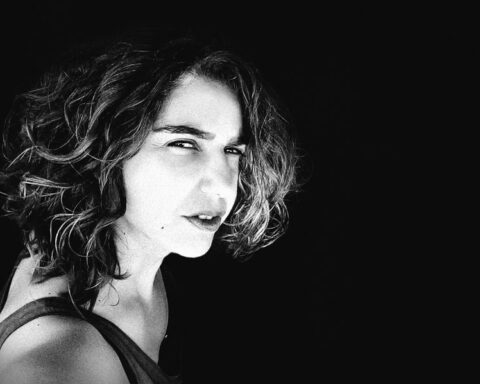
With this issue, we turn toward memory—the fragile, persistent light that keeps stories alive long after they have been told. Because every magazine, at its best, is also a museum: a place where what we have loved, questioned, and believed in waits
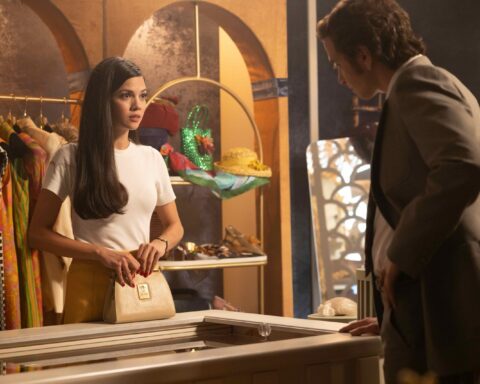
In Orhan Pamuk’s The Museum of Innocence, memory is constructed not through words but through objects that are touched, kept, and taken from their places.
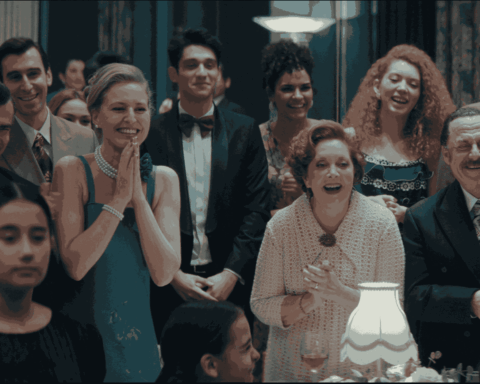
In the new Netflix series The Museum of Innocence, adapted from the novel of the same name by Orhan Pamuk, the camera proposes a distanced gaze that moves closer to the characters’ states of mind rather than constructing a nostalgic period aesthetic.
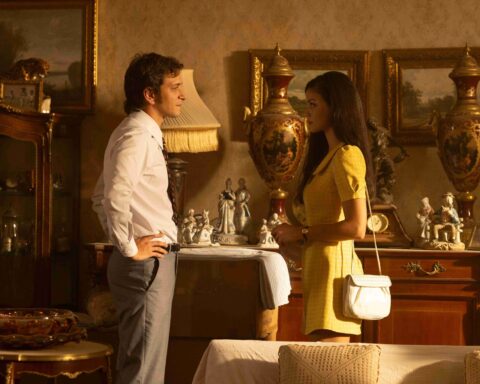
The series treats space not as a backdrop but as a vessel of memory, obsession, and time; objects are not displayed, they accumulate as fragments of meaning.