
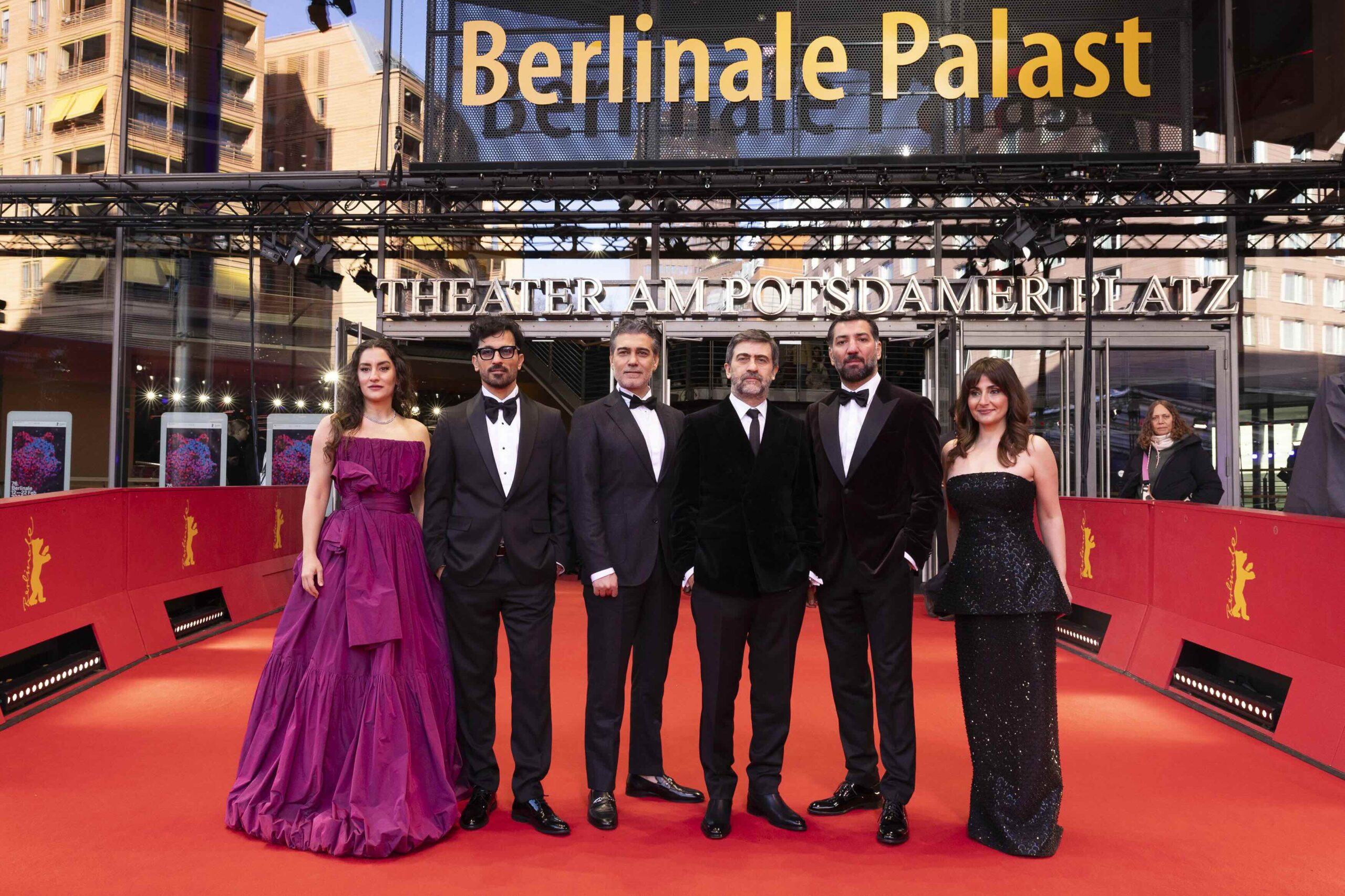
The 76th edition of the Berlin International Film Festival (Berlinale), held in Berlin from 12–22 February, opened amid intense political debate, overshadowing the usual red-carpet spectacle. Controversy erupted following remarks made by jury president Wim Wenders during the festival’s opening press conference, prompting a formal response from festival management and leading Indian writer Arundhati Roy to withdraw from the event. Turkish filmmaker Emin Alper also drew attention during his gala speech, addressing the ongoing violence in Gaza and receiving prolonged applause from the audience.
“We Must Stay Outside Politics”
Responding to questions about the war in Gaza, Wenders stated that while cinema has the power to transform people, it cannot directly change politics. “Films can change the world, but not in a political way,” said the director of Perfect Days, arguing that consciously making political films risks entering the terrain of politicians. Filmmakers, he suggested, should “do the work of people, not politicians,” and therefore prefer to remain outside politics.
Jury member, Polish producer Ewa Puszczyńska, addressed questions regarding the German government’s support for Israel by describing the issue as “complex” and “a little unfair,” adding that artists should not be held responsible for the political decisions of states.
The remarks quickly sparked backlash on social media. Invited as a guest writer and speaker, Arundhati Roy announced her withdrawal from the festival, stating that hearing “art should not be political” was “unfathomable.” She described such a stance as a way of silencing speech “while a crime against humanity is underway,” emphasising the weight of responsibility carried by statements amplified on a global platform.
Festival Management Responds
In response to mounting criticism, Berlinale director Tricia Tuttle released a comprehensive statement on Saturday night. Tuttle underlined that artists have the right to freedom of expression but should not be compelled to comment on every political issue unless they choose to do so. The statement argued that certain remarks from the press conference had been taken out of context and that the jury members were being targeted without consideration of their long-standing artistic practices and the values they represent.
Tuttle also questioned the fairness of expecting filmmakers to take positions on festival policies beyond their control. “Increasingly, artists are expected to answer every question. If they do not respond, they are criticised; if they do respond and their answer is not liked, they are criticised again,” she stated.
As the festival continues, the debate surrounding the relationship between art and politics remains at the forefront, shaping the tone of Berlinale’s 76th edition.
Emin Alper Delivers Powerful Call at Berlin International Film Festival
Despite the jury’s call to remain “outside politics,” the opening night of the Berlinale unfolded amid visible gestures of solidarity. Several guests carried banners drawing attention to the situation in Iran, while others voiced anti-fascist messages along the red carpet.
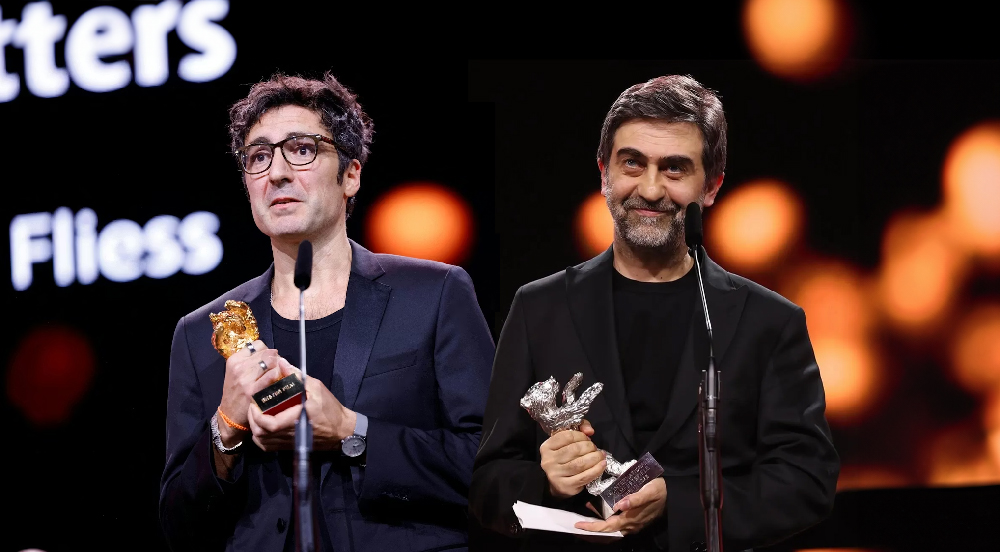
Within this charged atmosphere, Turkish filmmaker Emin Alper’s speech at the gala screening of his Golden Bear contender Kurtuluş (Salvation) emerged as one of the festival’s most unequivocal political moments.
Addressing the audience, Alper stated that his film explores how a community can come to commit horrific crimes. “Kurtuluş is a film about how a community can perpetrate terrible crimes. History is full of such stories… and unfortunately, so is the present,” he said.
Referring directly to the ongoing violence in Gaza, Alper continued: “Today, we are witnessing the genocide committed by Israel in Gaza. The only thing that can stop these crimes is a strong reaction from the world — yet we have abandoned Palestine. Whether it is Western powers complicit in this crime or autocratic regimes outside the West, we cannot rely on governments. We must rely only on ourselves and on the peoples of the world; we must stay alert, stand up together, and become the force of change.”
Alper’s remarks were met with prolonged applause, marking a stark counterpoint to earlier statements urging artistic neutrality and underscoring the ongoing debate over the role of political speech within international cultural platforms.