

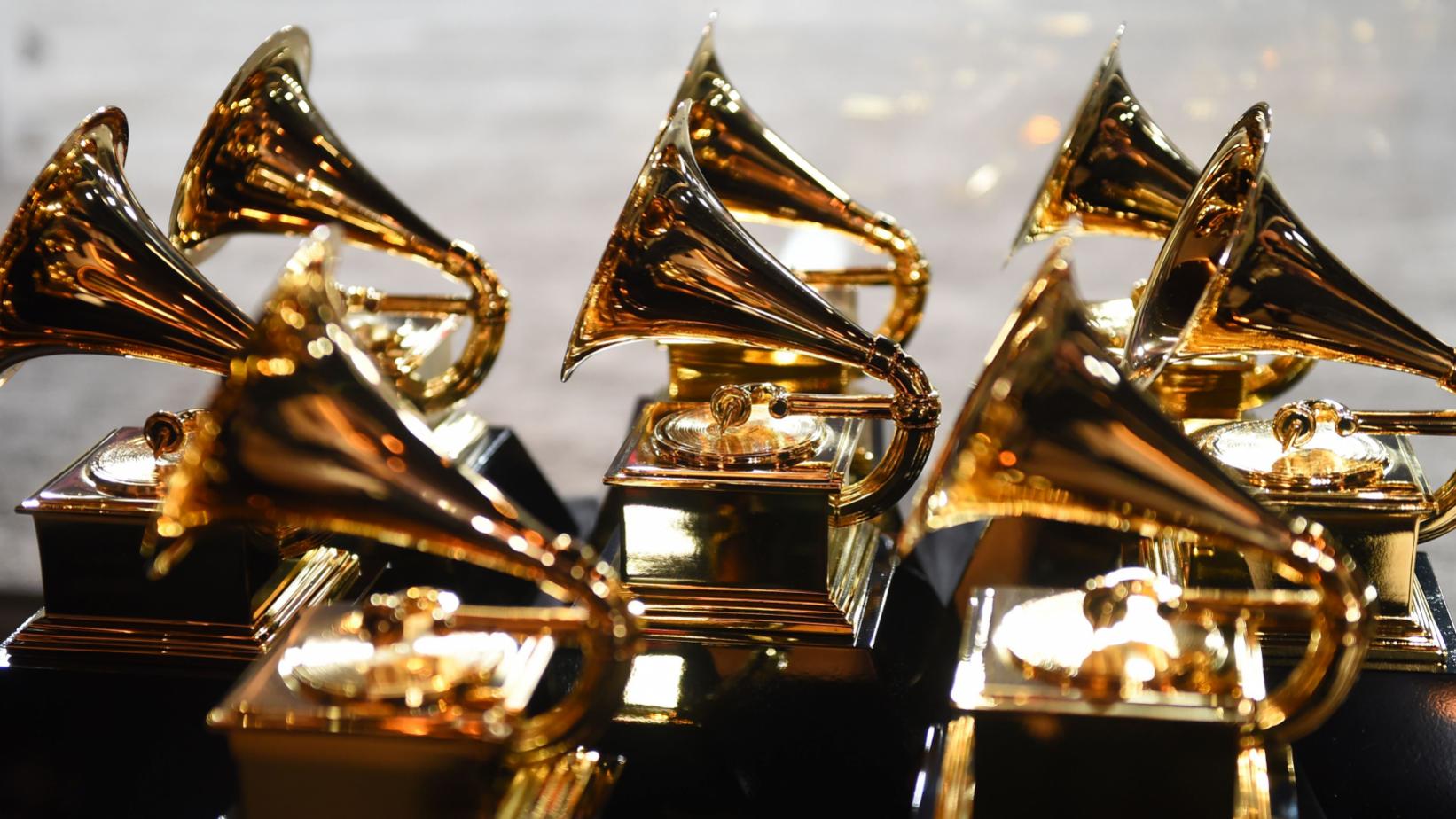
The 68th Grammy Awards, one of the most prestigious honors in the music industry, were presented on Sunday night, February 1, in Los Angeles. Alongside the main ceremony held at the Crypto.com Arena, the Grammy Awards Premiere Ceremony—where the majority of the awards were announced—took place at the Peacock Theater. With a total of 95 awards presented throughout the night, the event spotlighted not only the year’s standout albums, songs, and performances, but also the political messages voiced by artists from the stage.
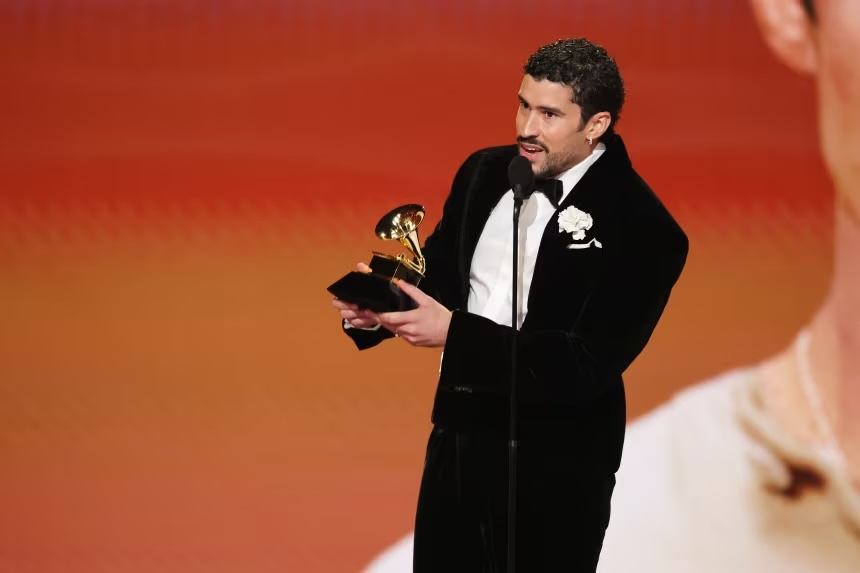
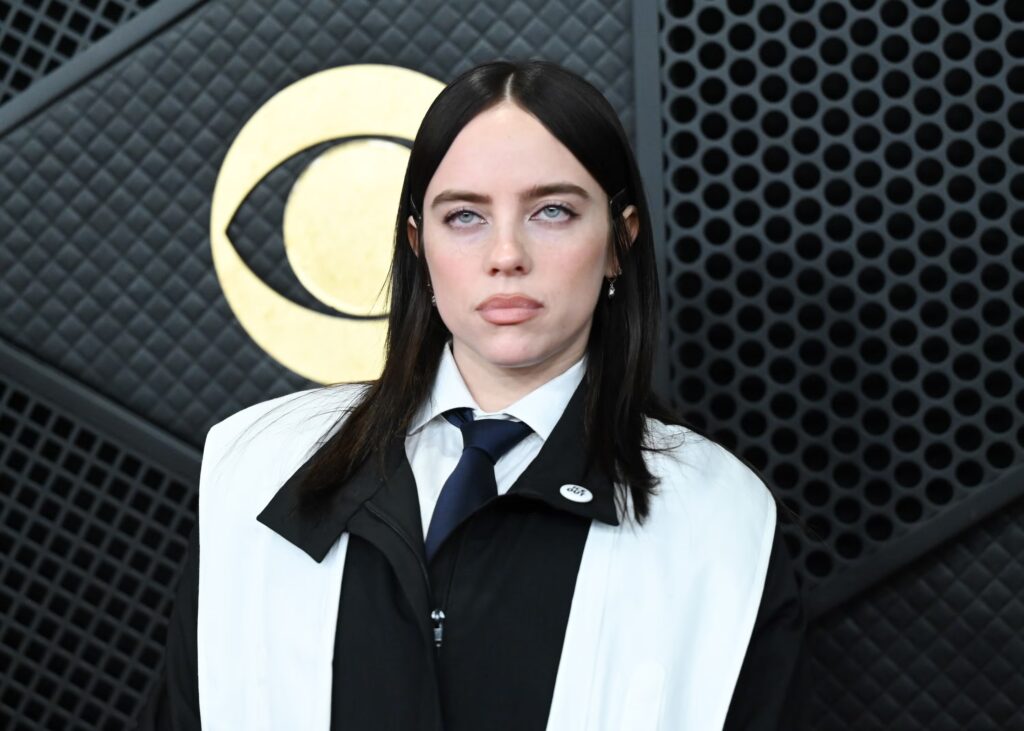
One of the evening’s most talked-about figures, Bad Bunny, made his mark by winning Album of the Year and Best Música Urbana Album for Debí Tirar Más Fotos. Kendrick Lamar took home Best Rap Album for GNX, and, alongside SZA, claimed Record of the Year and Best Melodic Rap Performance for Luther. Billie Eilish emerged as another highlight of the night, winning Song of the Year for Wildflower.
Yet the 68th Grammy Awards were remembered not only as a celebration of musical achievement but also as a ceremony that brought the ongoing political tensions in the United States onto the global stage.
Reaction to Immigration Policies on the Grammy Stage
The 68th Grammy Awards took place under the shadow of immigration operations in the United States, particularly those concentrated in Minneapolis. As the ceremony coincided with the Trump administration’s recently intensified deportation and detention practices, public reaction to the presence of federal immigration units in cities was also reflected in the cultural sphere.
Two deaths that have occurred in Minneapolis since the beginning of January have deepened tensions across the country. Following the killing of Renee Good, who was shot by ICE agents on January 7, the death of 37-year-old nurse Alex Pretti, who lost his life as a result of gunfire opened by federal immigration authorities, sparked strong public outrage. After Pretti’s death, the U.S. Department of Justice launched a civil rights investigation. During the same period, the detention of five-year-old Liam Conejo Ramos and the brief arrest of journalist Don Lemon caused protests to spread nationwide.
In this atmosphere, throughout Grammy Week, activists distributed badges bearing anti-ICE messages to artists and their teams. These “ICE OUT” badges became visible in many areas, from events held before the awards ceremony to the red carpet. Names such as Billie Eilish, Finneas, Carole King, and Justin and Hailey Bieber appeared in public wearing these badges.
The speeches delivered alongside the awards presented during the ceremony further accentuated the political tone of the night. While accepting the Best Música Urbana Album award, Bad Bunny directly referred to ICE, using the phrase “ICE out,” and spoke out against language that dehumanizes immigrants. At the same time, pointing out that hateful rhetoric toward immigrants is a form of violence that reproduces itself, the artist drew attention to the method of struggle in his address from the stage. Saying, “Hate is strengthened by more hate,” Bad Bunny emphasized that the only power capable of breaking this cycle is love, stating that social resistance can gain meaning only on this basis.
While accepting the Best New Artist award, Olivia Dean underscored the place of immigrants within society by recalling her grandmother from the Windrush generation with the following words: “If I am here today, it is thanks to being the granddaughter of an immigrant. I am a product of courage, and these people deserve to be celebrated. Because we cannot exist without one another.”