

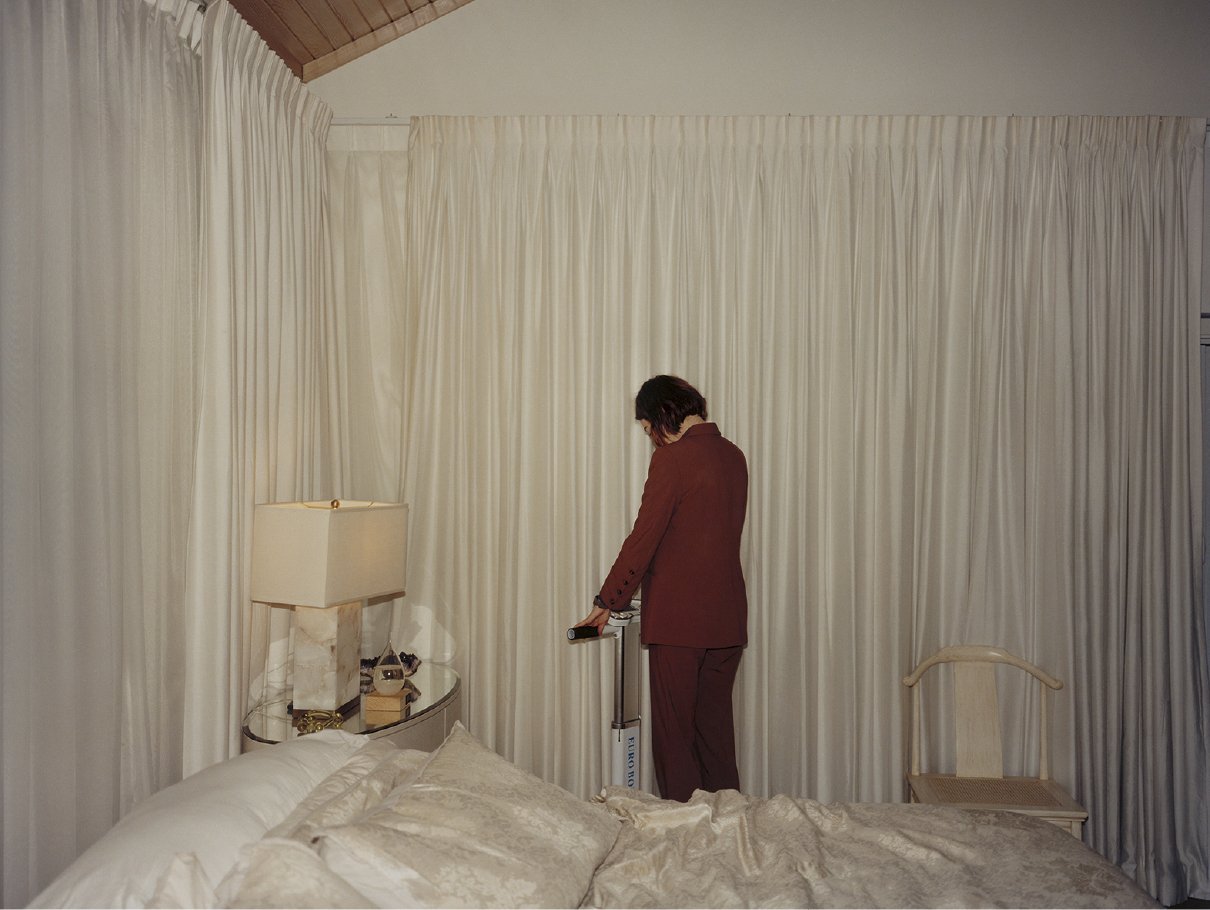
Yorgos Lanthimos’s exhibition Photographs, focusing on his photographic practice, is on view at Onassis Stegi until May 17. Curated by Michael Mack, the exhibition brings together 182 photographs produced over the past five years, offering a new perspective on the relationship between cinema and photography. The comprehensive exhibition Yorgos Lanthimos: Photographs runs from March 7 to May 17, 2026, presenting not only the works themselves but also rare insights into the director’s personal engagement with photography.
Known internationally for films such as Dogtooth, The Favourite, and Poor Things, Lanthimos emphasizes that photography offers him a space of freedom entirely distinct from cinema. While filmmaking requires large teams, budgets, and extensive planning, photography, for him, can emerge from a much simpler starting point. Walking alone with a camera and producing images without planning constitutes one of the most fundamental and powerful aspects of his photographic practice.
Photography Beyond Narrative
According to Lanthimos, his relationship with photography was not initially a conscious artistic choice. During his film education, he learned photography as a technical necessity. What began as a step toward cinema gradually evolved into a personal mode of expression. His continuous engagement with the camera during filmmaking led him to explore photography more deeply.
He considers one of photography’s defining differences to be its independence from time and narrative. A photograph can exist on its own or acquire entirely different meanings when placed alongside other images. The same image can reappear in a book, an exhibition, or a different sequence, each time generating new interpretations. For Lanthimos, this flexibility marks a clear departure from the fixed narrative structure of cinema.
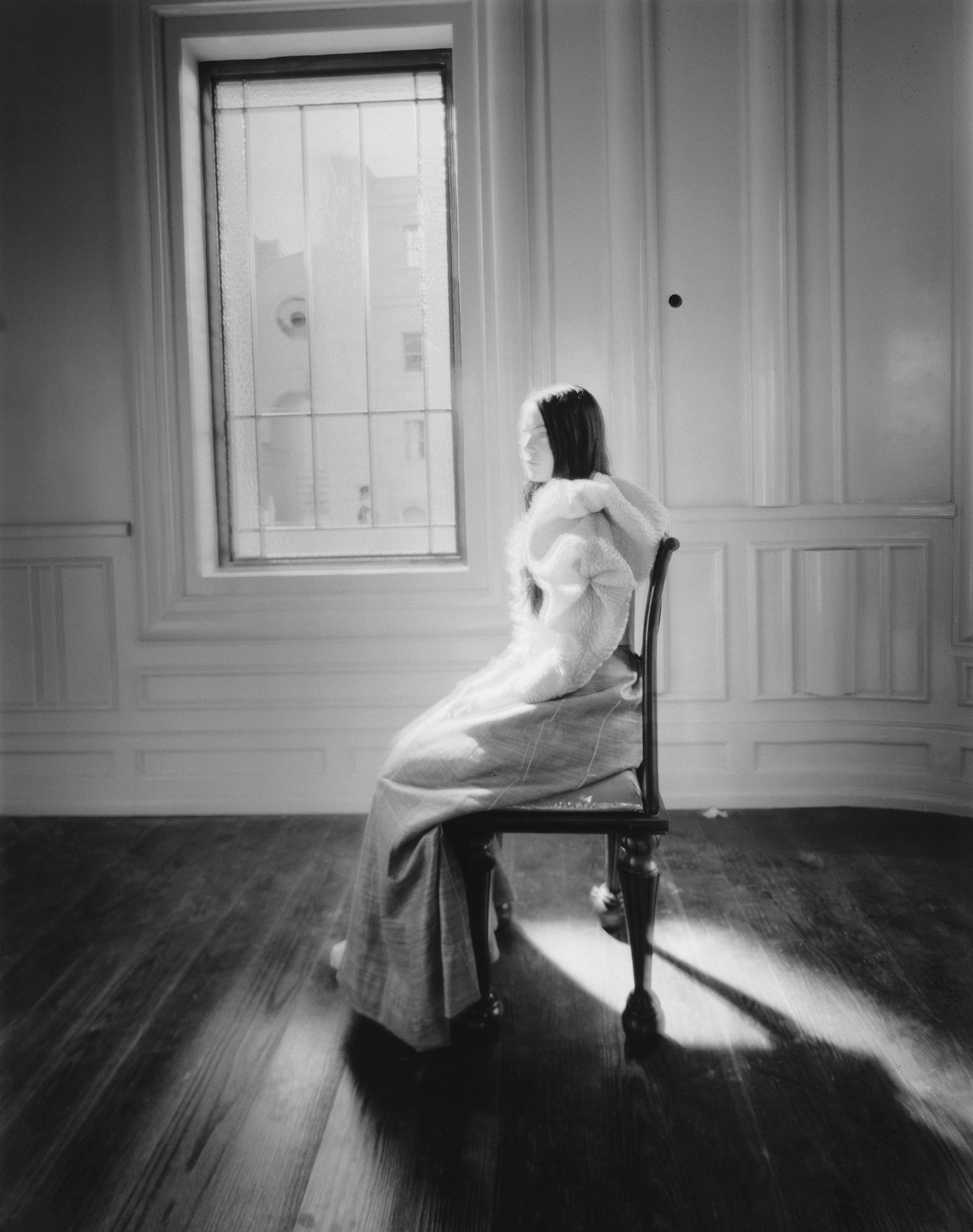
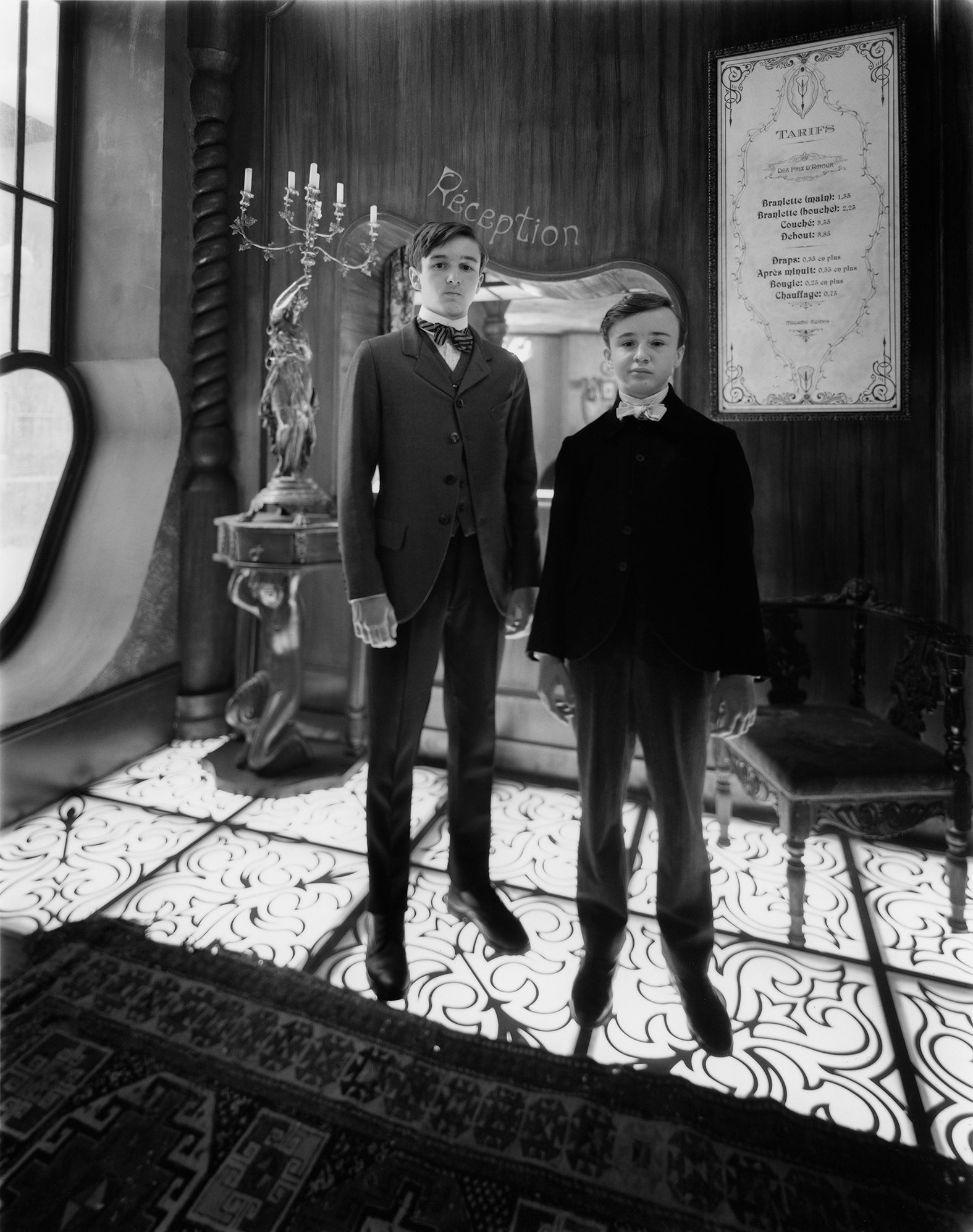
This approach is reflected in the photographs presented in the exhibition. Alongside images taken on the sets of films such as Poor Things, Kinds of Kindness, and Bugonia, the exhibition also includes photographs produced during his solitary walks around Athens. Moving between people, animals, architectural details, and everyday scenes, these images do not adhere to a fixed narrative. Each frame establishes its own field of meaning.
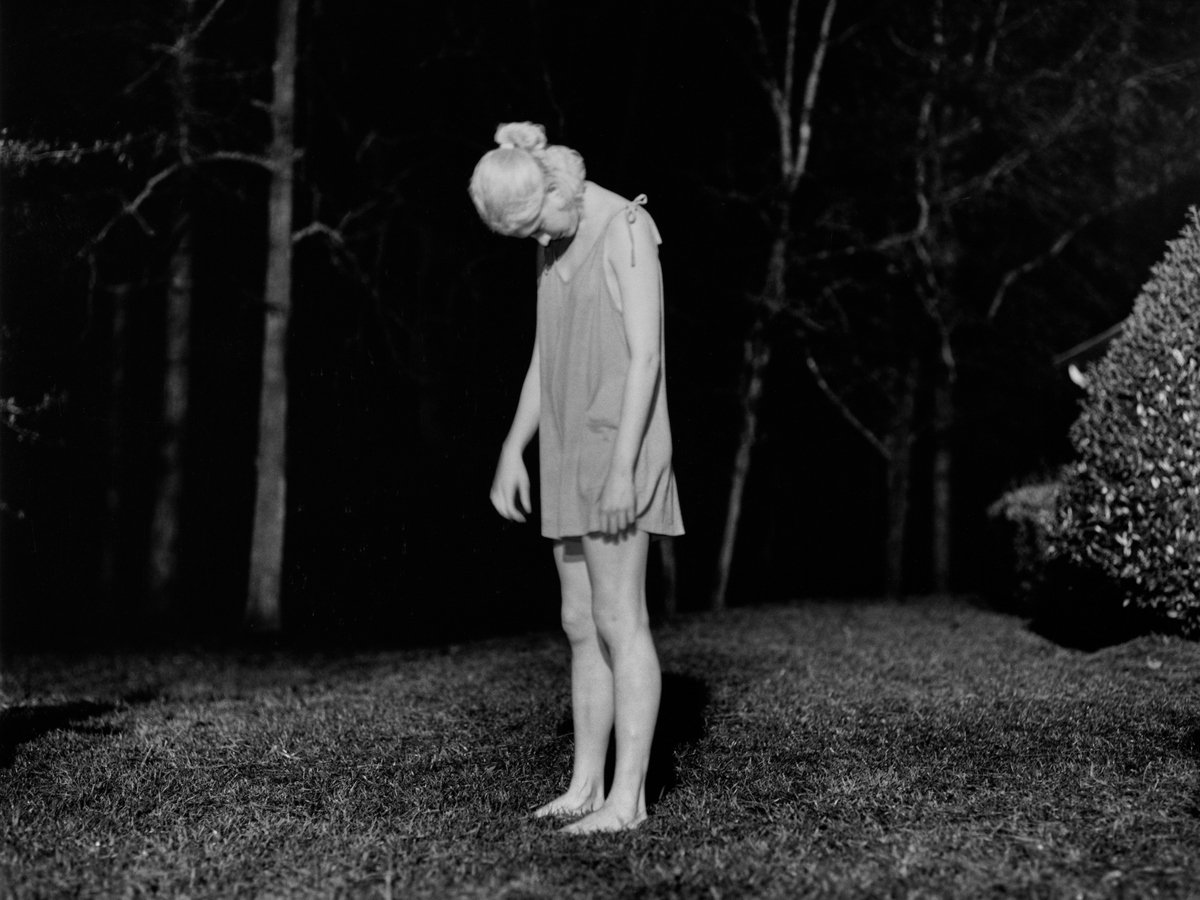
Lanthimos also highlights the physical dimension of analog photography as particularly important. Going out with a roll of film, returning home to develop prints, and holding the photograph in his hands form an essential part of his process. While it may take months or even years for a film to reach its audience, the satisfaction produced by photography is far more immediate.
The exhibition at Onassis Stegi clearly demonstrates that Lanthimos approaches photography not merely as an extension of his cinematic practice, but as an independent field of expression. The exhibition also coincides with the launch of his new photography book, VISCIN.