

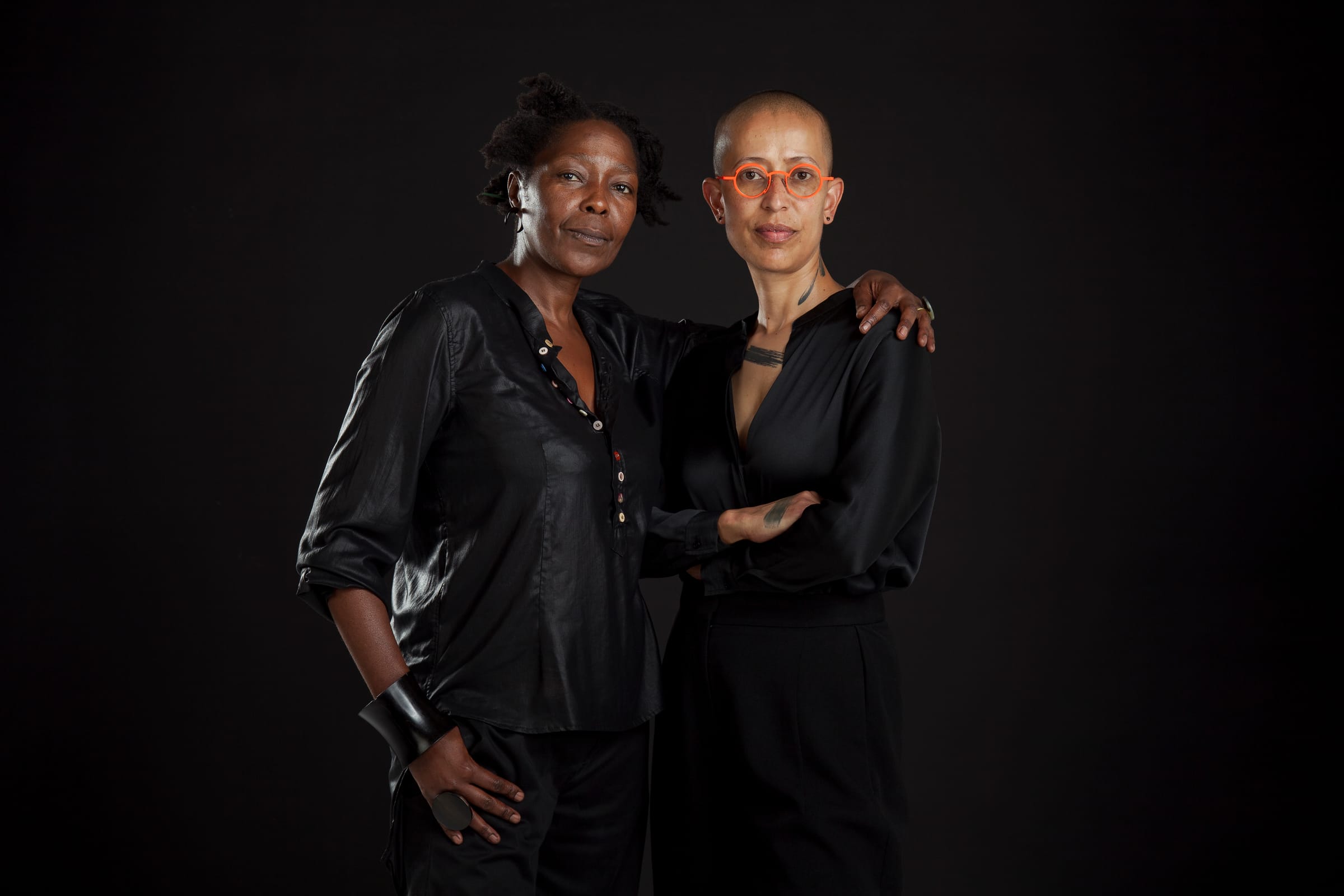
The pavilion selected by South Africa for the 2026 Venice Biennale was canceled by Minister of Sport, Arts and Culture Gayton McKenzie due to artist Gabrielle Goliath’s project “Elegy,” which references Gaza. After a lawsuit filed by the artist and curator Ingrid Masondo was rejected, the government announced that the country would not participate in this year’s Biennale.
The debate that began months ago in South Africa over the Venice Biennale has resulted in the country’s complete withdrawal from the 2026 edition. Following the cancellation in January of the pavilion project prepared by Gabrielle Goliath and Ingrid Masondo, a legal challenge was brought forward but ultimately dismissed. The Ministry of Sport, Arts and Culture subsequently confirmed that South Africa would not take part in the Biennale this year.
The crisis traces back to the selection process held in December. An independent selection committee had unanimously appointed Goliath and Masondo to represent the South African Pavilion. The project they planned to present in Venice was a new iteration of Elegy, the performance series the artist has been developing since 2015. The work constructed a multilayered narrative centered on mourning, violence, and collective memory.
However, on January 2, Minister Gayton McKenzie canceled the project. The decision was made only days before the deadline for countries to confirm their participation in the Biennale. The Ministry argued that the work included references to Gaza and could generate a “divisive” debate. McKenzie also claimed that the Ministry had not been adequately informed about the project and terminated the contract with the institution responsible for organizing the pavilion.
Reference to Gaza, Legal Proceedings, and the Withdrawal Decision
The version of Elegy that Goliath intended to present in Venice addressed losses across different geographies within a shared space of memory. The project considered together the murders of women and queer individuals in South Africa, the early 20th-century genocide of the Herero and Nama peoples in Namibia, and civilians who lost their lives in Gaza. The work was also set to include verses by Palestinian poet Hiba Abu Nada, who was killed in an Israeli attack in 2023.
The Ministry deemed this aspect problematic. Goliath and Masondo argued that the decision amounted to censorship and that the minister had exceeded his authority, bringing the matter before the courts. The artist’s legal team further emphasized that the pavilion selection process had been conducted independently and that there was no legal basis for political intervention.
The case was heard by the North Gauteng High Court in South Africa. Judge Mamokolo Kubushi rejected the artist’s urgent application shortly before the Biennale deadline. No reasoning for the decision was provided. The court also ruled that legal costs would be borne by the applicants.
The artist and curator announced that they would appeal the decision. In their statement, they said the ruling could set a dangerous precedent for freedom of expression for artists and curators in South Africa.
Two days after the court’s decision, the Ministry announced that the country would not participate in the Biennale. The Ministry also denied claims that a new pavilion would be prepared. As a result, the space allocated to South Africa in the Arsenale is expected to remain empty.