



Nobel Prize–winning author Orhan Pamuk’s acclaimed novel The Museum of Innocence, woven around time accumulated in the memory of a love and its lost objects, is being adapted for the screen via the digital platform Netflix. The nine-episode series adaptation will premiere on February 13.
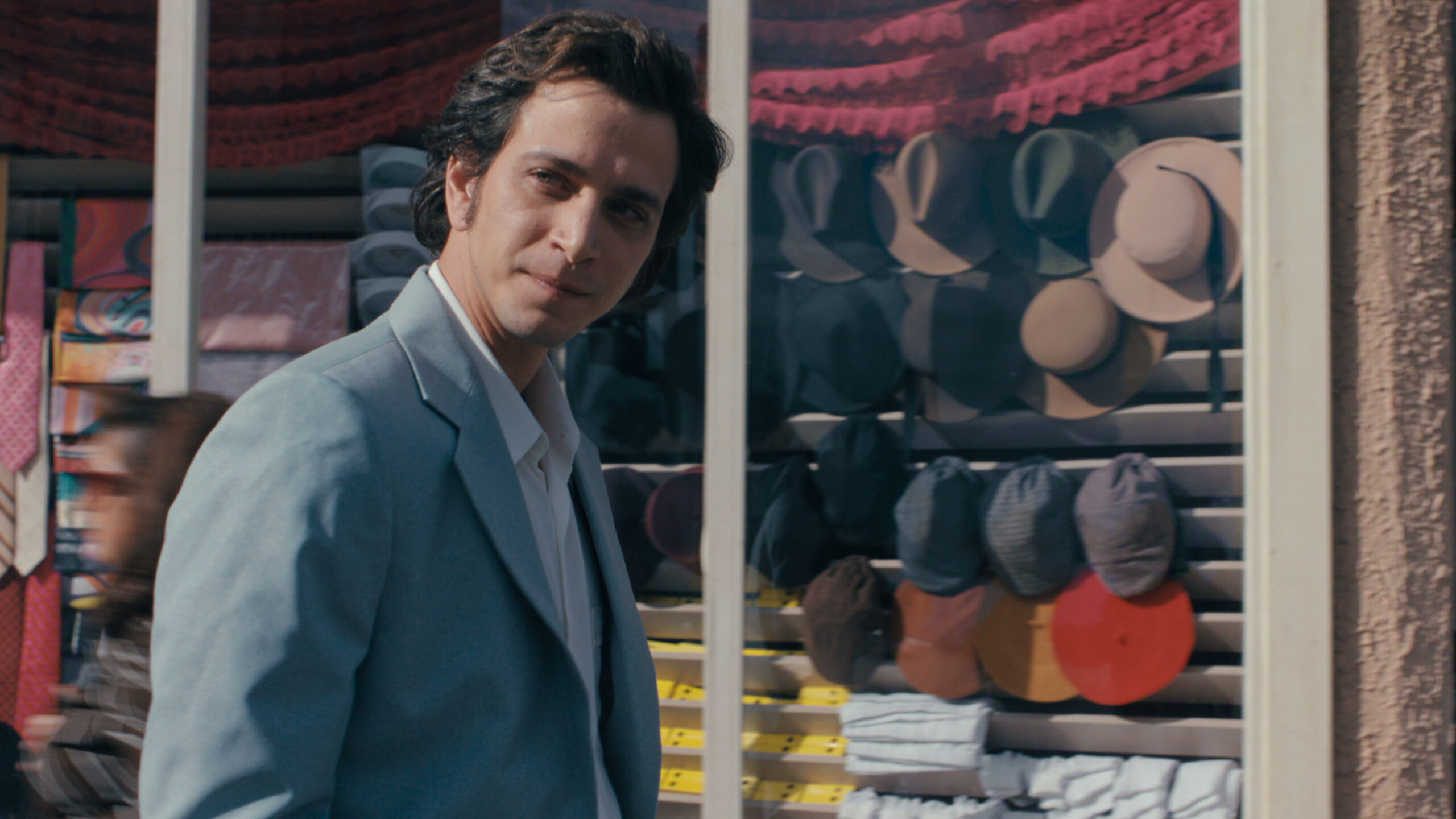
Orhan Pamuk’s acclaimed 2008 novel The Museum of Innocence, which was brought into real life through its museum that has welcomed thousands of visitors, now arrives on screen. The nine-episode Netflix series, bearing the same title as the novel, will be available to watch on February 13.
Directed by Zeynep Günay, written by Ertan Kurtulan, and produced by Ay Yapım, the series stars Selahattin Paşalı and Eylül Lize Kandemir in the leading roles. Accompanied by an ensemble cast including Oya Unustası, Tilbe Saran, Bülent Emin Yarar, Gülçin Kültür Şahin, and Ercan Kesal, the production sets out to retell the fragile, passionate, and obsessive love that begins in 1970s Istanbul.
A Memory That Began with a Novel
The Museum of Innocence was published in 2008 by İletişim Publishing. Written by Pamuk after a decade-long process and dedicated to his daughter Rüya Pamuk, the novel centers on the love story between Kemal, the son of the wealthy Basmacı family, and Füsun, the daughter of their poorer relatives, the Keskin family—a relationship that gradually turns into an obsession. Constructing powerful emotions out of the small details of everyday life, the narrative is not only a love story but also a kind of memory chest inscribed with Istanbul’s social history from the 1950s to the 2000s. Newspapers, television programs, domestic rituals, colognes, earrings, and cigarette butts appear in the novel as objects of lost time.
Breaking sales records upon its release, entering The New York Times’ list of “Best Books of 2009,” and translated into more than 60 languages, the novel also extended the profound relationship Pamuk formed with this story into a museum bearing the same name.

From Novel to Museum
While writing the novel, Pamuk simultaneously began translating the idea of Kemal collecting Füsun’s belongings into real life. From the early 1990s onward, he visited Istanbul’s antique shops, flea markets, and old houses, gathering objects that belonged to the world of the novel. In 2012, The Museum of Innocence opened its doors in Çukurcuma, housed in a three-story historic building dating back to 1897.
The building, whose transformation was undertaken by architects İhsan Bilgin, Cem Yücel, and Gregor Sunder-Plassmann, now draws visitors step by step into the world of the novel. While the ground floor offers an invitation into the narrative, the upper floors present, in glass vitrines, the silent witnesses to Kemal’s love for Füsun—cigarette butts, yellow shoes, earrings, dresses, and hundreds of small objects from everyday life.
A New Memory on Screen
Following this layered literary and spatial memory, The Museum of Innocence now meets audiences through its nine-episode screen adaptation. The Netflix series retells the story of Kemal and Füsun through the lens of the camera, breathing new life into 1970s Istanbul.