

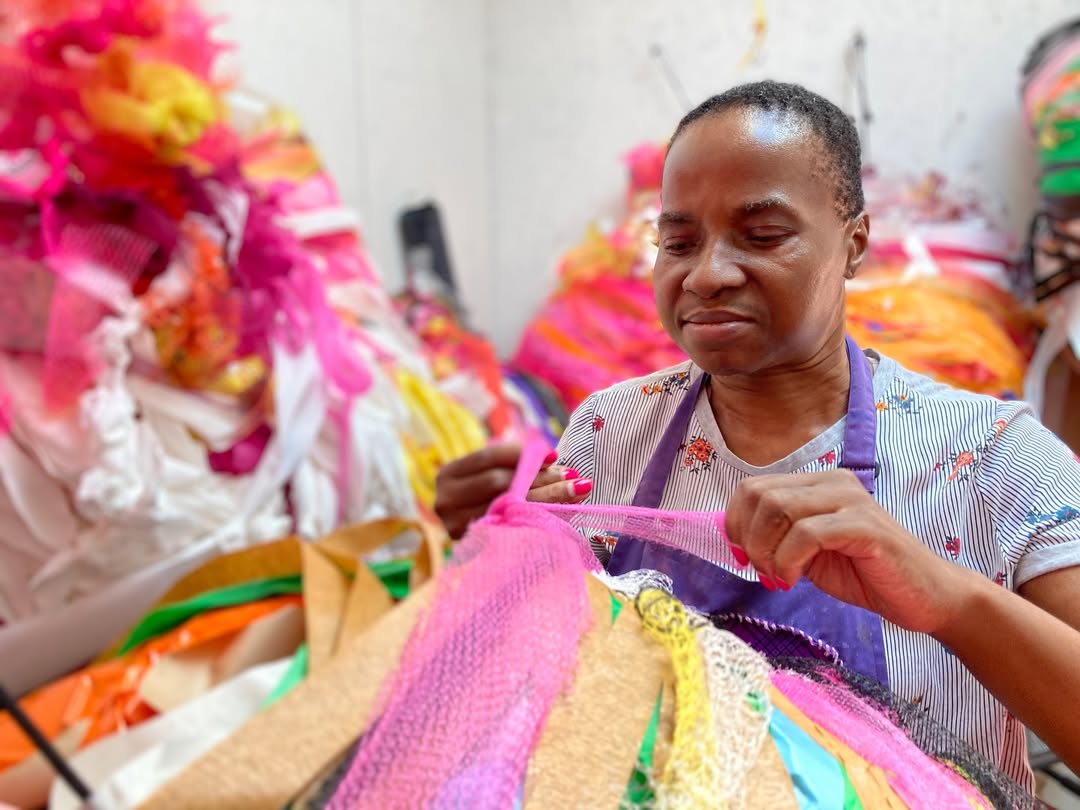
Known for her layered sculptures made from recycled materials, Nnena Kalu has become the winner of the Turner Prize 2025. Considered one of the most important awards in contemporary British art since 1984, this year’s Turner Prize went to the British-Nigerian artist Nnena Kalu.
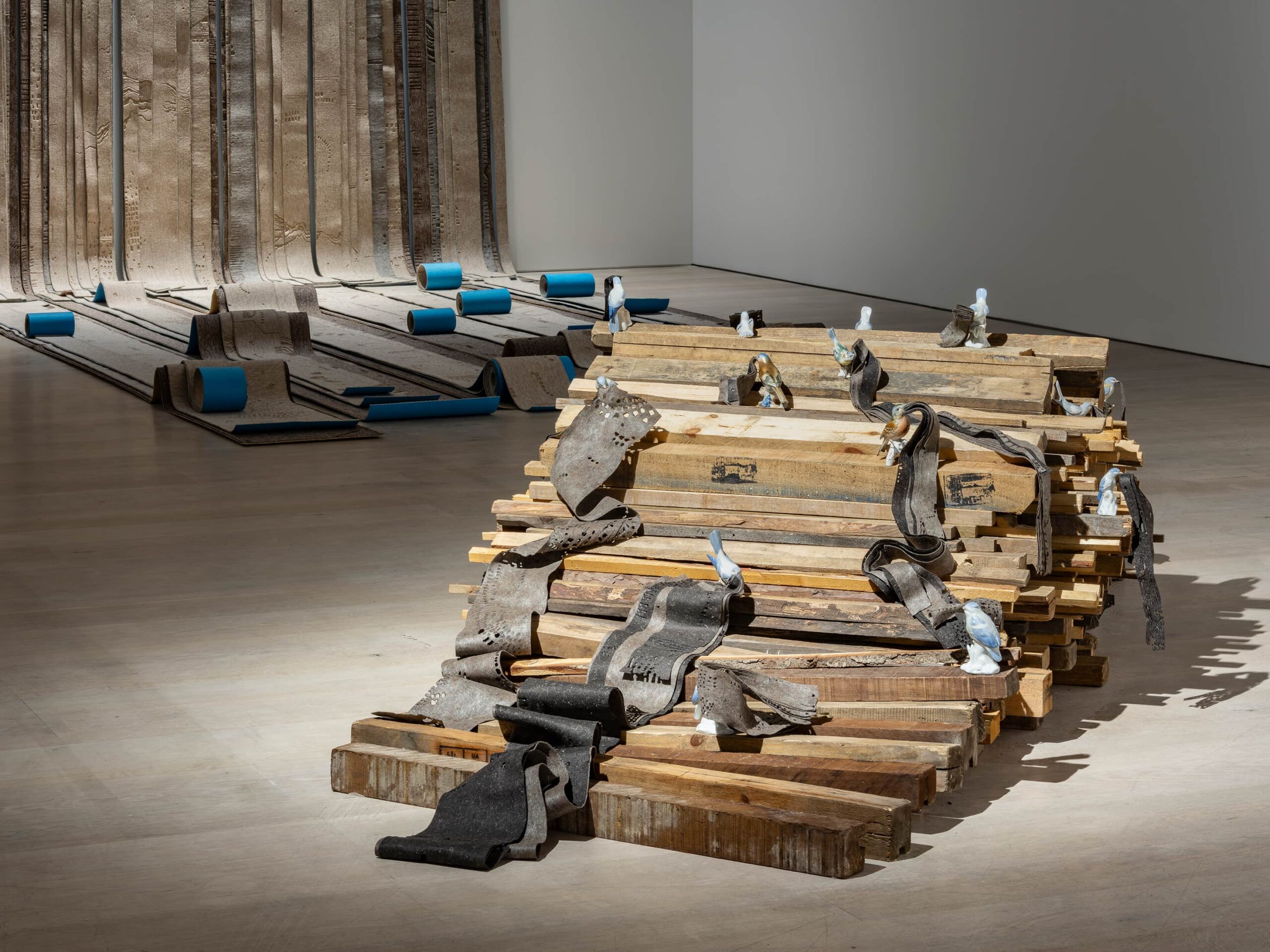
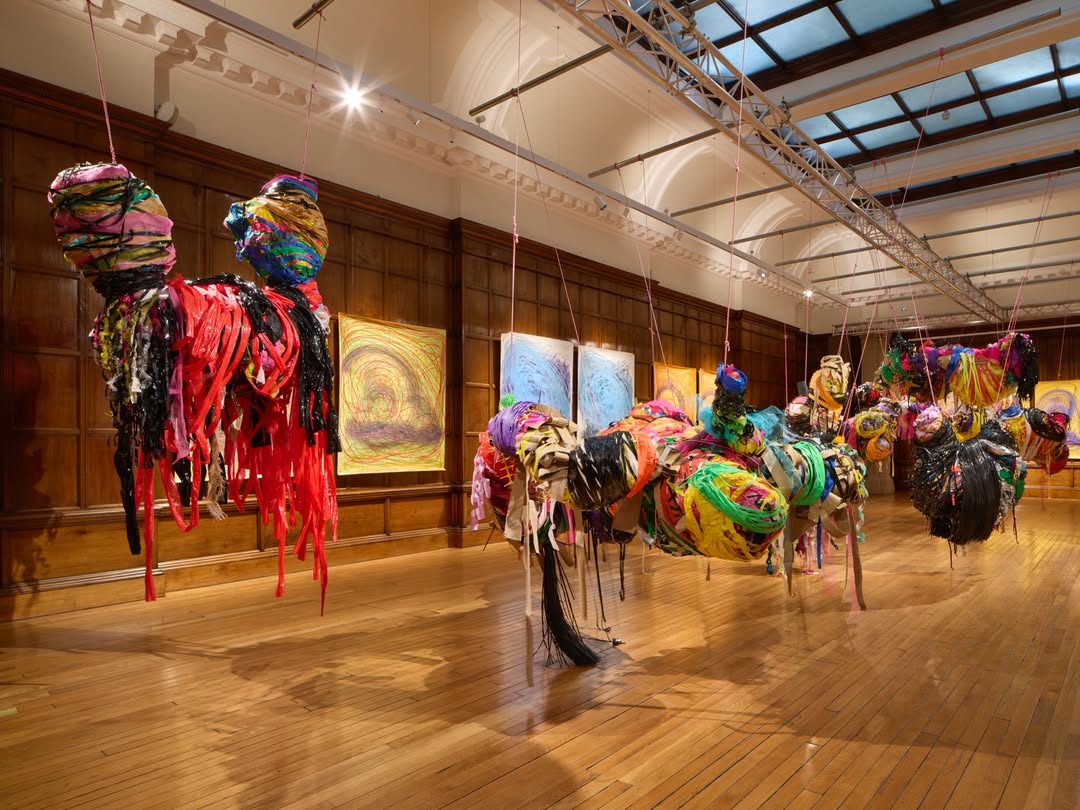
Receiving the £25,000 award, Kalu draws attention with her densely textured sculptures—created by wrapping recycled materials such as tape, paper, plastic and cassette tapes layer by layer—and with her drawings that carry the traces of rhythmic gestures. The 59-year-old Glasgow-born Kalu also made history as the first artist who is autistic, has learning disabilities and limited verbal communication skills to win the Turner Prize. The award ceremony took place in Bradford, selected as the UK City of Culture this year, and was hosted by magician Steven Frayne (Dynamo). Kalu’s works, known for their colorful and energetic qualities, were described by jury chair and Tate Britain director Alex Farquharson as “bold and impressive, yet possessing an elegant subtlety.”
A Artist Breaking Out of Her Shell
Kalu’s artistic journey progressed for many years without visibility or institutional support. When the artist began working with London-based ActionSpace in 1999, her production was not taken seriously for a long time. The exclusion of artists with learning disabilities and limited forms of communication by institutions made it difficult for Kalu to access exhibitions and professional support networks. Charlotte Hollinshead, who has worked with the artist for 25 years and took the stage with her on the award night, described this process as “a very long and exhausting struggle.” “This moment is not only for Nnena; it is the breaking of a supposedly unbreakable glass ceiling for all artists who face similar discrimination,” she said. Hollinshead also conveyed the years of disregard the artist faced with the following words: “Her works were not respected, not taken seriously, and were often treated as if they did not exist. This award is both a compensation for that and a strong hope for the future.”
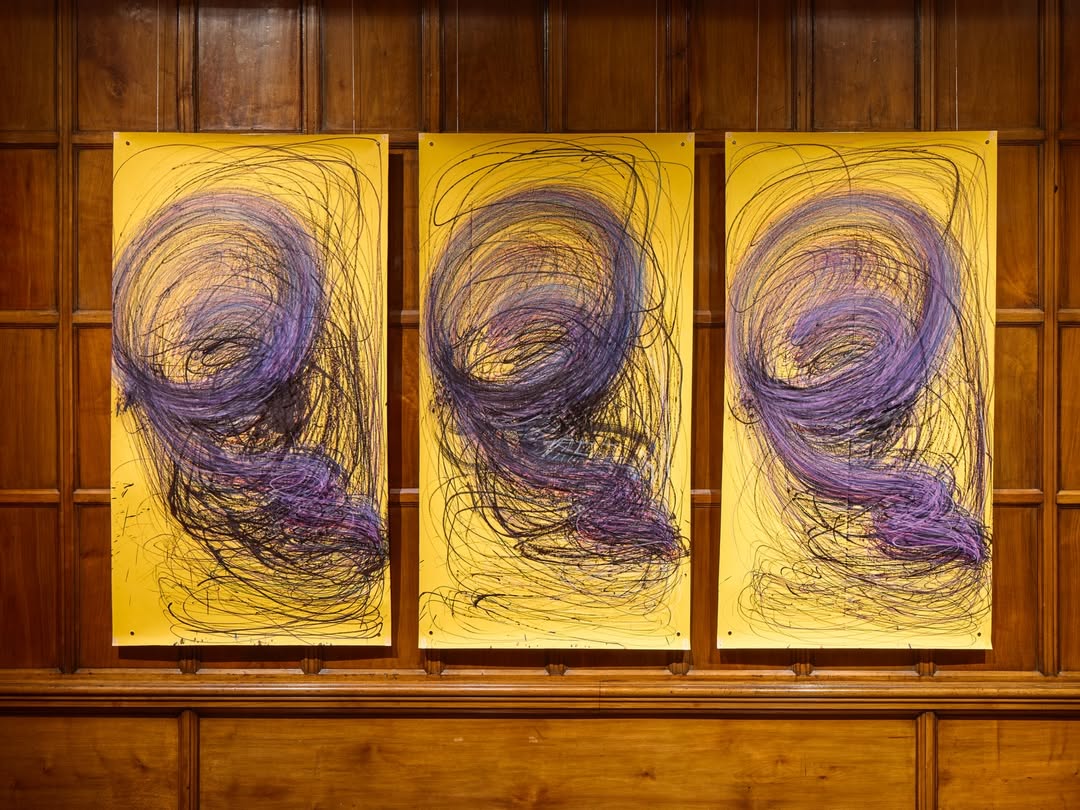
The Turner Prize jury emphasized that the decision was based “not on the artist’s identity but on the power of her works.” Tate Britain director Alex Farquharson stated that Kalu’s practice was highlighted for its distinctive character, her bold use of materials, and her production nourished by the relationship between line, color, and rhythm. The jury noted that Kalu’s sculptures “seem almost like three-dimensional equivalents of brushstrokes,” with materials transforming into lines and creating a new field of movement in space.
This year’s other nominees were Rene Matić, Mohammed Sami and Zadie Xa. Each received the £10,000 award given to shortlisted artists. Alongside Kalu’s works, all four artists’ pieces can be seen at the Turner Prize exhibition at Cartwright Hall in Bradford until 22 February 2026.