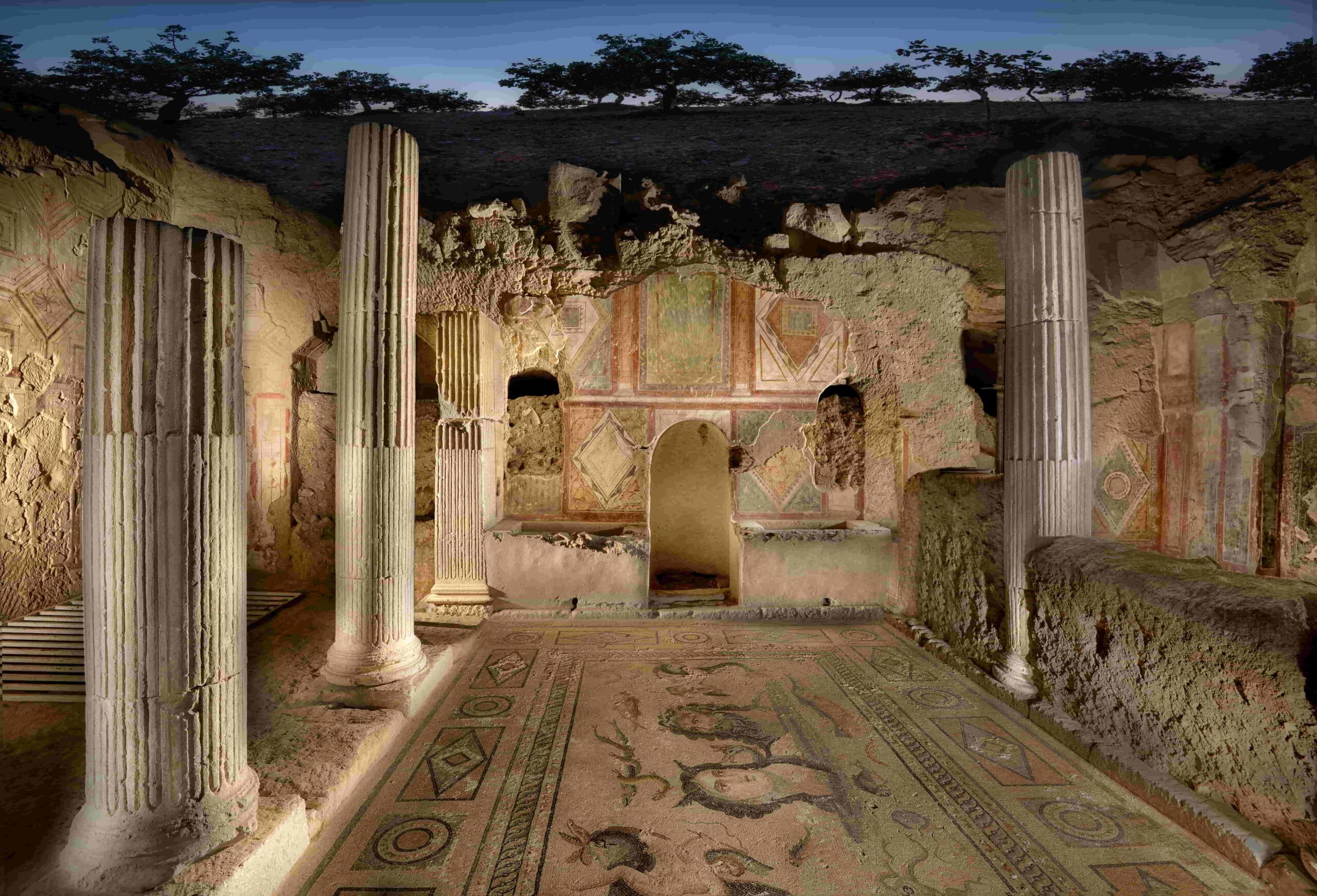


The United States has returned dozens of cultural artifacts to Türkiye, including a long-disputed bronze statue of an emperor originating from the ancient city of Bubon. Located within the borders of Gölhisar in Burdur province, Bubon was a significant Roman-period settlement, particularly renowned for its monumental sculptures dedicated to emperors.
In the 1960s, statues looted from the sacred precinct devoted to Roman emperors at the site were illegally removed and trafficked to Europe and the United States. İzmir-based smugglers, working through art dealers with links in Switzerland and New York, introduced the works into the international art market. Circulating through museums and private collections under falsified provenance records, the sculptures were gradually legitimized through academic publications and exhibitions. Their inclusion in the collections of major institutions such as the Metropolitan Museum of Art, the Cleveland Museum of Art, and the Getty Museum starkly revealed how Bubon’s cultural heritage was dispersed piece by piece.
After a Prolonged Legal Battle
Among the returned objects, the most striking is a headless bronze statue of a nude emperor dating back nearly 2,000 years. Long at the center of legal controversy, the statue had been in the possession of Santa Monica–based collector Aaron Mendelsohn and became the focus of a two-year legal dispute between Mendelsohn and the Manhattan District Attorney’s Office. While Mendelsohn claimed to have acquired the sculpture in good faith, prosecutors demonstrated that it had been smuggled into the U.S. through a New York–based trafficking network. Following the dismissal of charges and an agreement between the parties, the statue was transferred to New York and formally repatriated to Türkiye during an official ceremony.
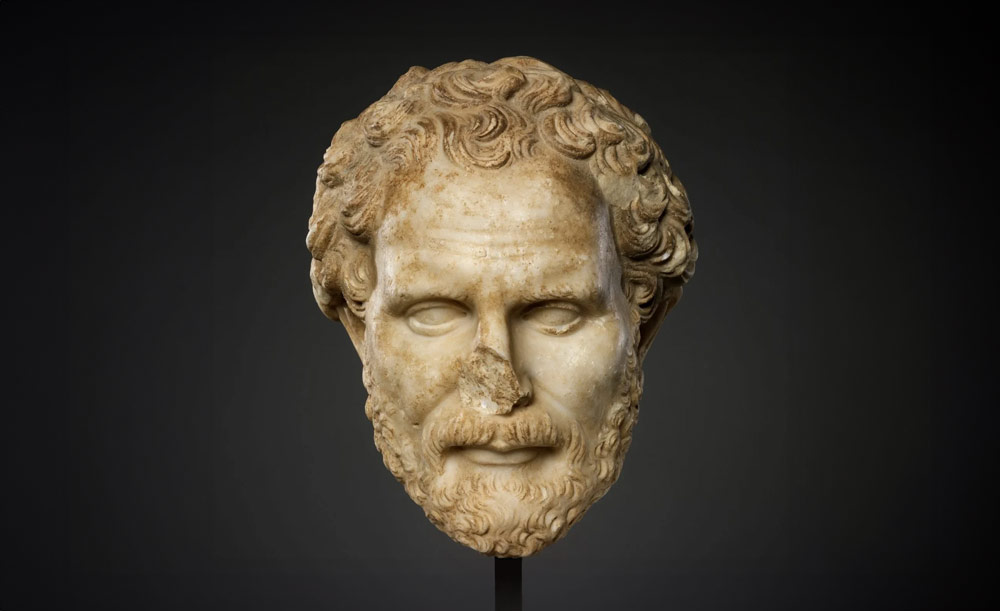
At the same ceremony, a marble head depicting the orator Demosthenes, dating to the 2nd century AD, was also handed over to Türkiye. Formerly part of the Metropolitan Museum of Art’s collection, the work was seized by authorities in 2025 after it was determined that it had circulated with falsified provenance documentation. In addition, 41 terracotta plaques looted from a Phrygian sanctuary in the Düver region of Burdur were among the returned artifacts. These plaques were identified during an internal review of the Virginia Museum of Fine Arts collection and were voluntarily relinquished by the museum.
Speaking at the ceremony, Manhattan District Attorney Alvin L. Bragg Jr. drew attention to the scale of looting at ancient sites such as Bubon, emphasizing that these repatriations go beyond addressing past injustices and send a strong international message against the illicit trafficking of cultural property. Türkiye’s Deputy Minister of Culture and Tourism, Gökhan Yazgı, described the process as a concrete outcome of sustained and determined international cooperation.