




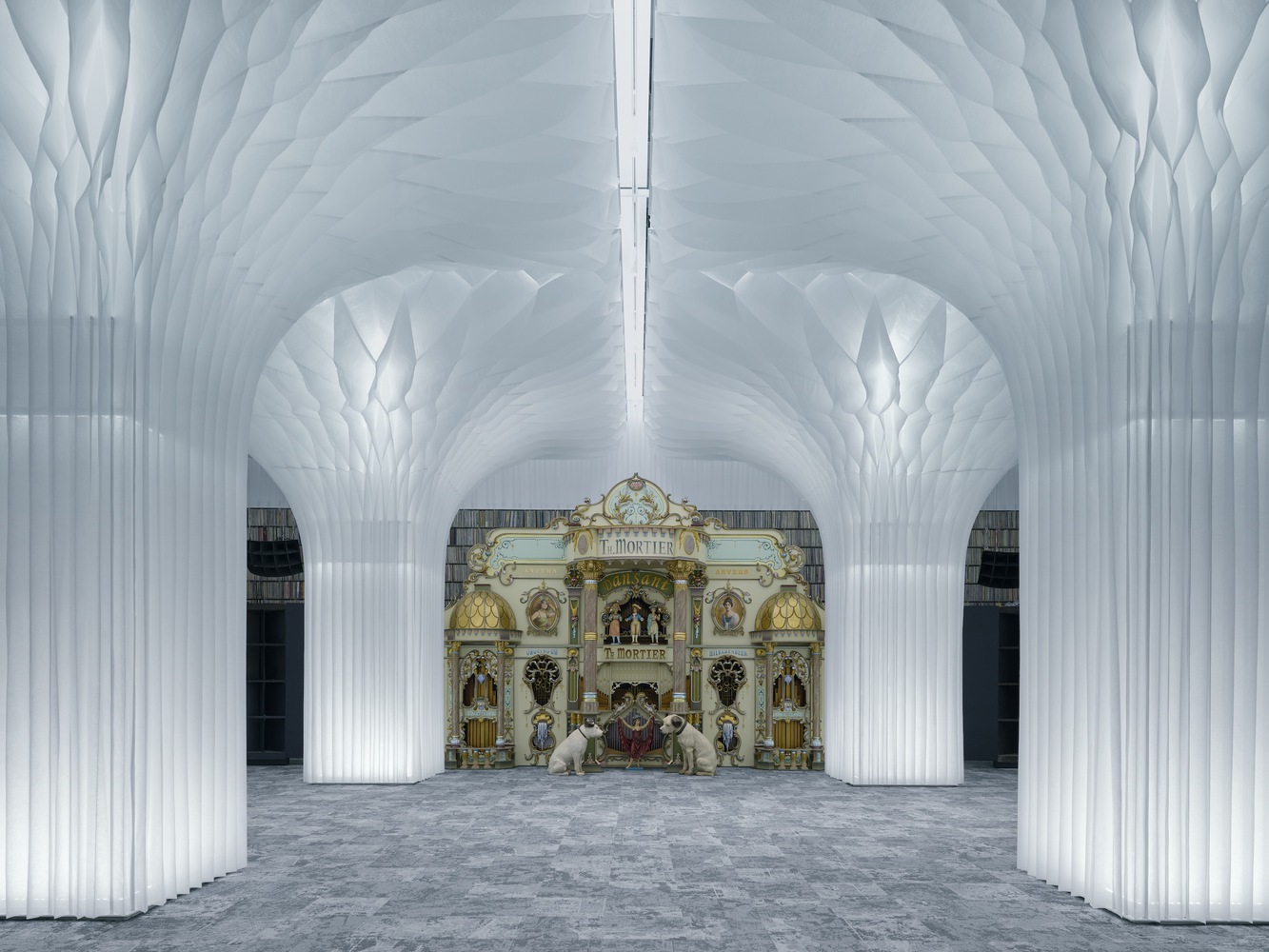
Opened in Seoul as the world’s first sound museum, the Audeum Audio Museum brings together a rare collection of sound technologies with a sensory architectural experience designed by Kengo Kuma. Dedicated exclusively to sound and audio technologies, Audeum Audio Museum has opened its doors to the public in Seoul. Founded by Michael Chung, the founder of South Korean audio technology brand Silbatone Acoustics, in memory of his father, Audeum stands as the first public institution to approach sound not merely as a technical matter, but as a cultural and sensory experience.

Although located in Gangnam, one of Seoul’s most modern districts, Audeum skillfully distances itself from the city’s noise, instead orienting itself toward the striking silhouette of Cheonggye Mountain. Spanning seven floors and covering more than 11,000 square meters, the monumental structure has been welcoming visitors since last June.
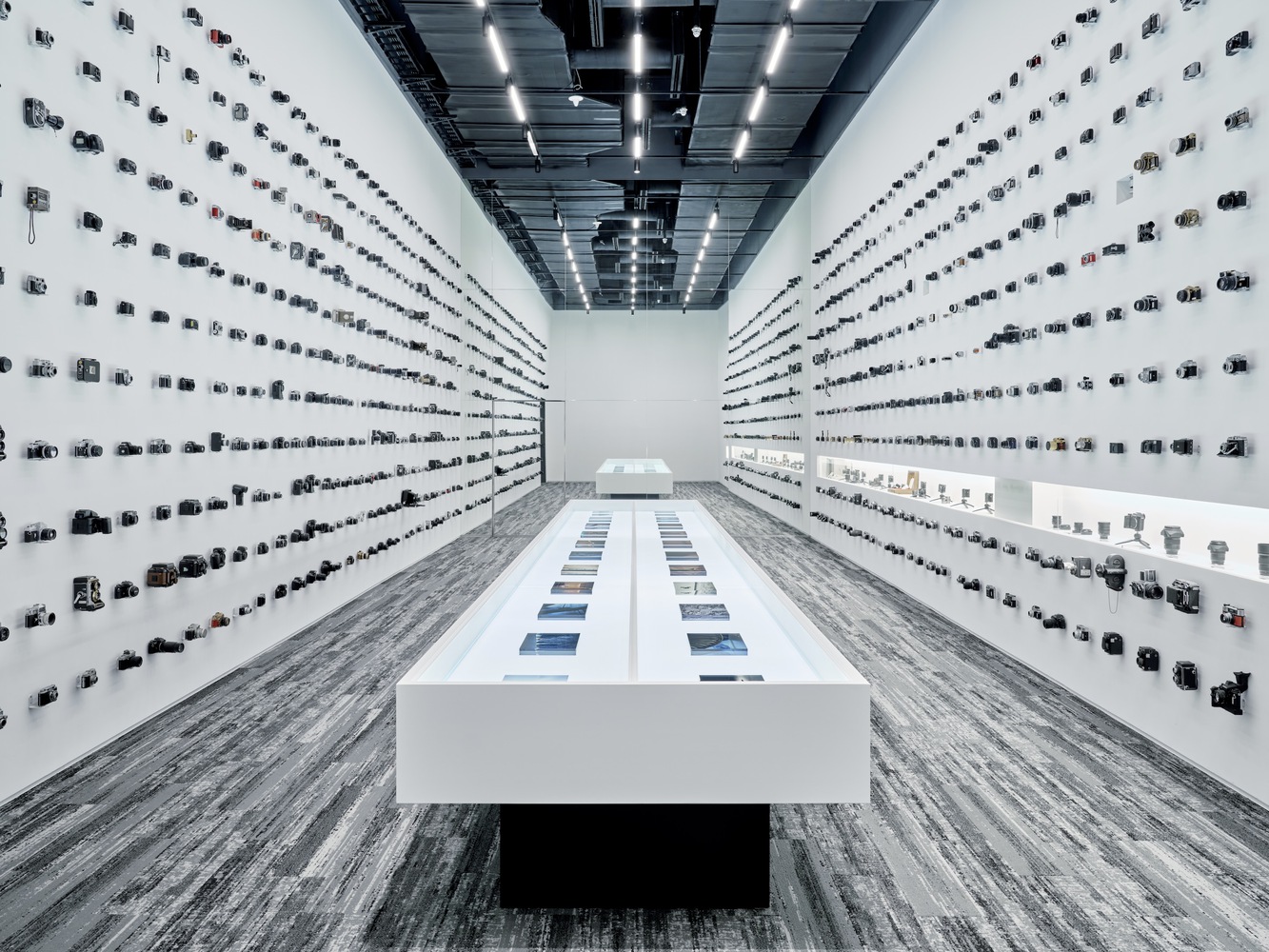
Audeum’s inaugural exhibition, Jung Eum: In Search of Sound, focuses on the historical development of high-fidelity sound reproduction, or Hi-Fi technology. The collection includes numerous rare pieces, ranging from Western Electric systems that brought cinema halls to life in 1932 to the legendary 1937 Lansing Iconic loudspeakers, considered pioneers of home audio technology. Among the exhibition’s most captivating elements are undoubtedly the gigantic, four-meter-tall horn-shaped speaker systems associated with The Jazz Singer (1927), the film that marked the end of the silent cinema era.
Architecture as a Space of Sound
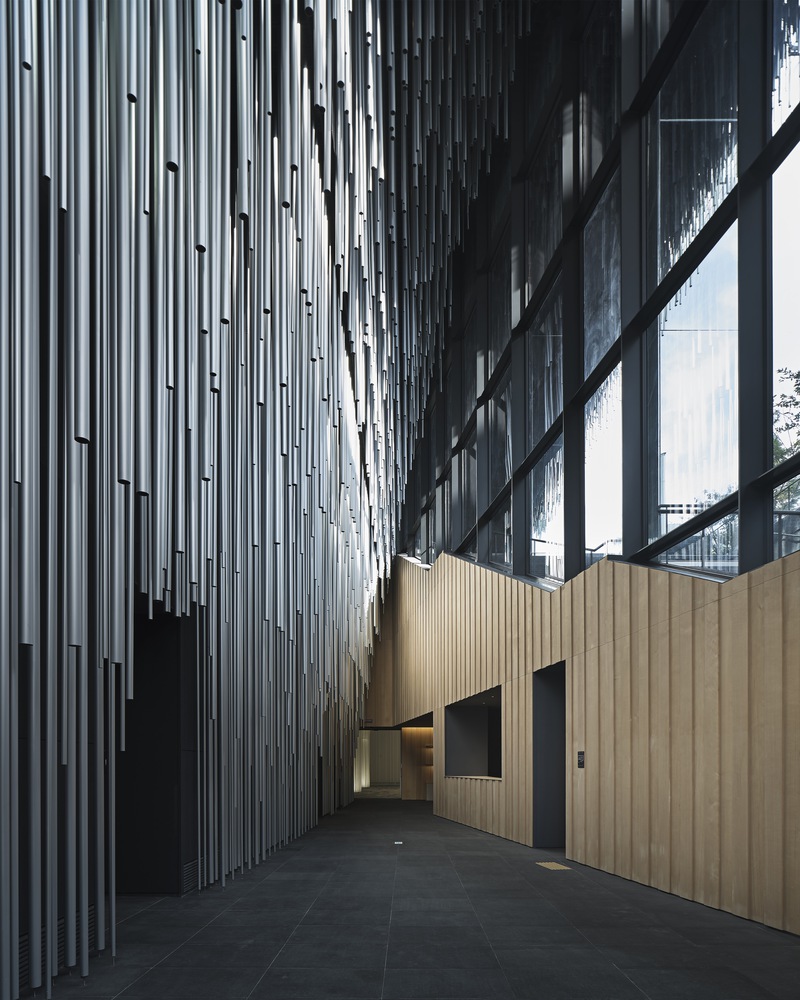
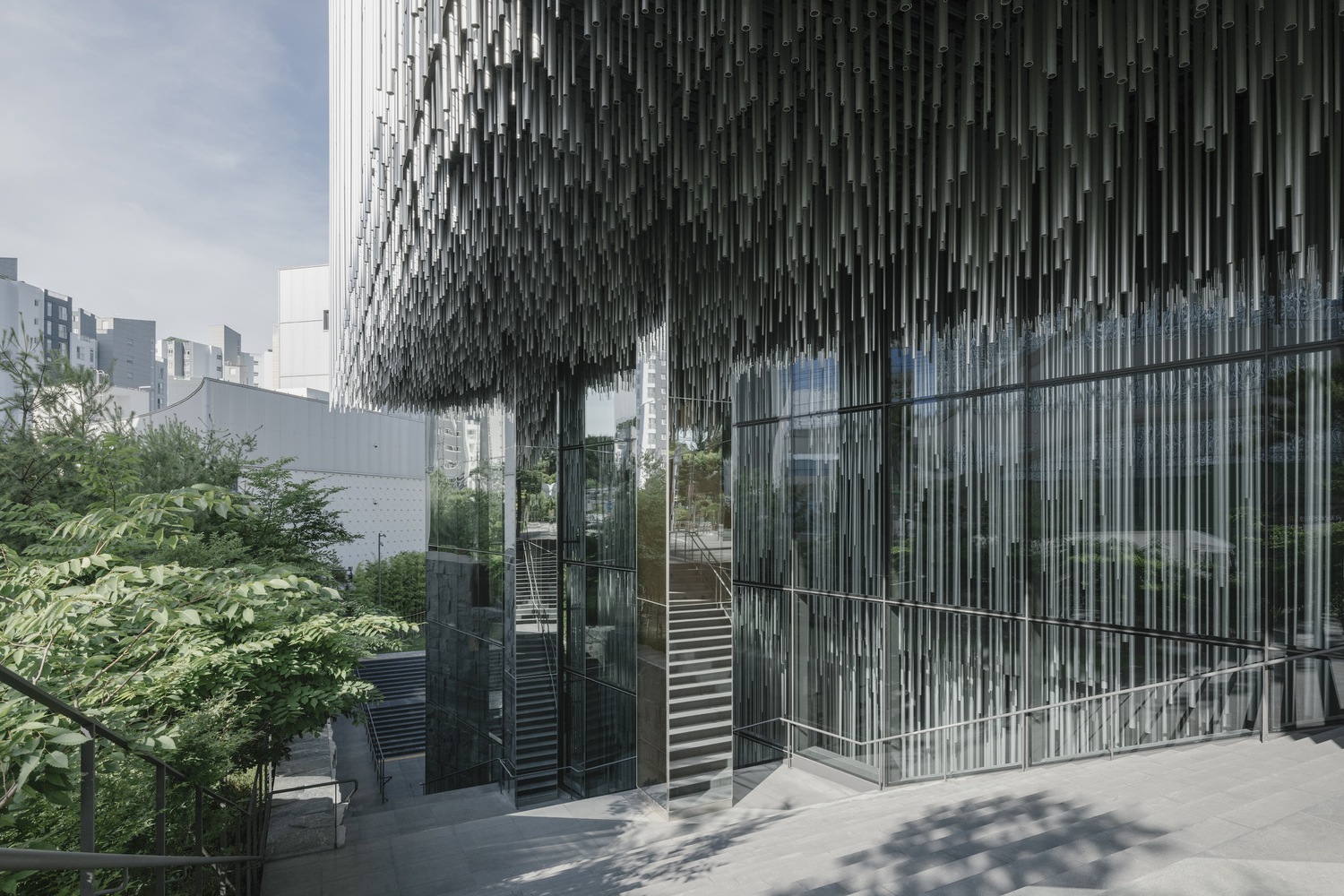
Audeum’s architectural design bears the signature of Japanese architect Kengo Kuma. For more than three decades, Kuma has redefined the relationship between nature, technology, and humanity through architecture, emphasizing natural materials such as wood and stone in the buildings produced under Kengo Kuma & Associates (KKAA). Audeum occupies a distinctive place among Kuma’s recent works. The building’s exterior façade consists of 20,000 aluminum tubes that cast shadows reminiscent of sunlight filtering through a bamboo forest. Arranged in an apparently random pattern, these tubes translate nature’s characteristic “perfect irregularity” into architecture, transforming the shifting play of light—changing with the hour, weather, and season—into a mesmerizing visual experience.
In the interior spaces, wooden surfaces applied using a technique Kuma describes as “wood drapery” enhance the building’s acoustic qualities while creating a soft, sensory atmosphere. Alaska cypress enveloping the entrance atrium lends the space not only visual appeal but also a memorable olfactory identity. Kuma articulates this holistic approach as follows:
“This is not merely a place where sound is listened to; it is a vast architectural instrument that returns people to their essential natural state and activates all their senses.”
Audeum approaches sound as a “healing” element, one that frees it from the stresses of everyday life. Centering preservation and research, the museum moves beyond conventional exhibition formats, inviting visitors not only to look, but to listen, smell, and feel.