
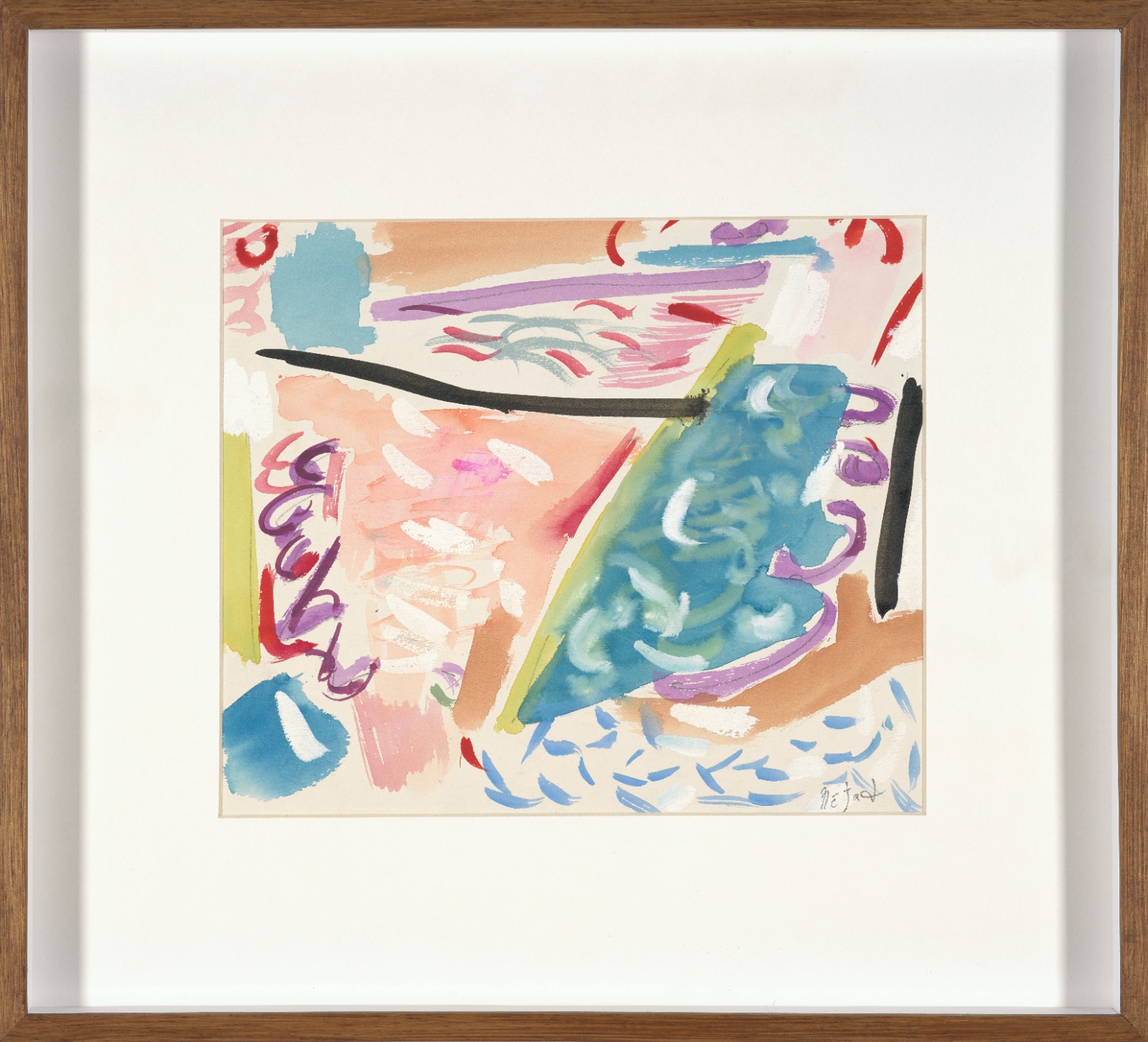
The lyrical abstractions, rich color palette, and unique visual language of Nejad Devrim—one of the pioneering figures of Turkish modern painting—come together in a new selection at Galeri Nev Istanbul. On view until January 10, the exhibition continues the gallery’s long-standing relationship with the artist. Galeri Nev Istanbul has opened its doors to a new exhibition that brings together Devrim’s lyrical abstractions, his vibrant use of color, and his distinctive artistic expression, which have inspired the art world both in Turkey and internationally. This exhibition is also a continuation of the gallery’s enduring bond with the artist.
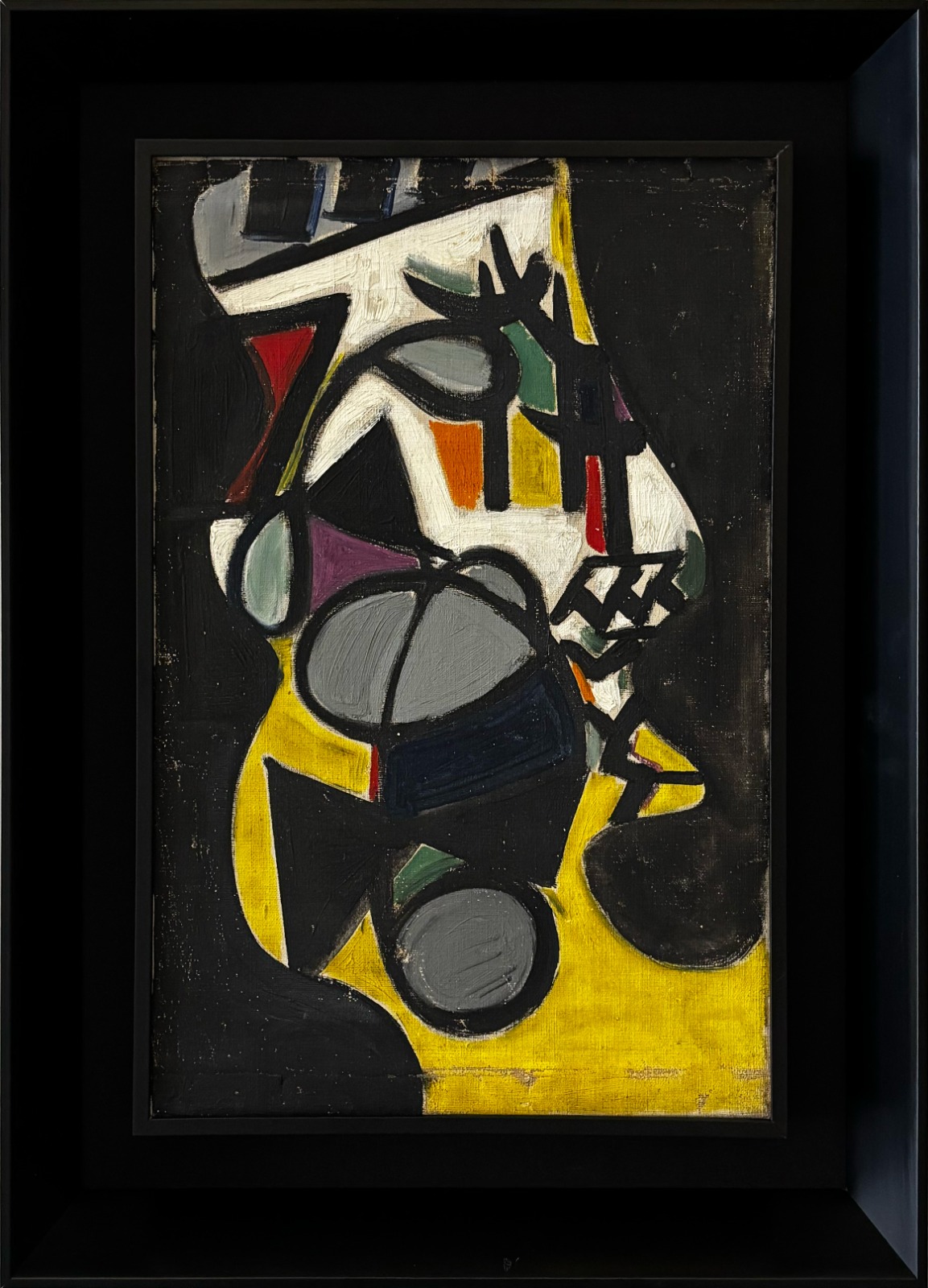
Over the years, Galeri Nev Istanbul has organized various exhibitions featuring Nejad Devrim’s works. The comprehensive retrospective held in 2001 at Atatürk Cultural Center was significant in presenting the artist’s oeuvre to a wide audience. In 2006, at Istanbul Modern, under the curatorship of Haldun Dostoğlu, Devrim’s works were exhibited together with those of Fahrelnissa Zeid in the show Two Generations Under the Rainbow, bringing together key figures of Turkish abstract art. The 2018 exhibition The Construction of the Abstract at Galeri Nev Istanbul showcased the works Devrim produced in Paris between 1947 and 1968. In 2023, the exhibition Nejad Devrim at 100, organized by Galeri Nev Istanbul to mark the 100th anniversary of the artist’s birth, provided an opportunity to rediscover his lyrical abstractions, rich color universe, and original narrative.
Nejad Devrim
Growing up in parallel with the cultural transformation of the early Republic period, Nejad Devrim became one of the leading figures in the international expansion of Turkish modern painting. He began his education at Istanbul State Academy of Fine Arts as a student of French painter Léopold Lévy, a turning point that carried his art into a universal realm. Moving to Paris in 1946, Devrim combined his artistic background, fluency in French, general knowledge, and painting talent to seize the opportunities of the postwar art scene. He quickly gained recognition. His first solo exhibition in Paris in 1947 marked the beginning of his journey representing Turkish art internationally and engaging with abstract art.
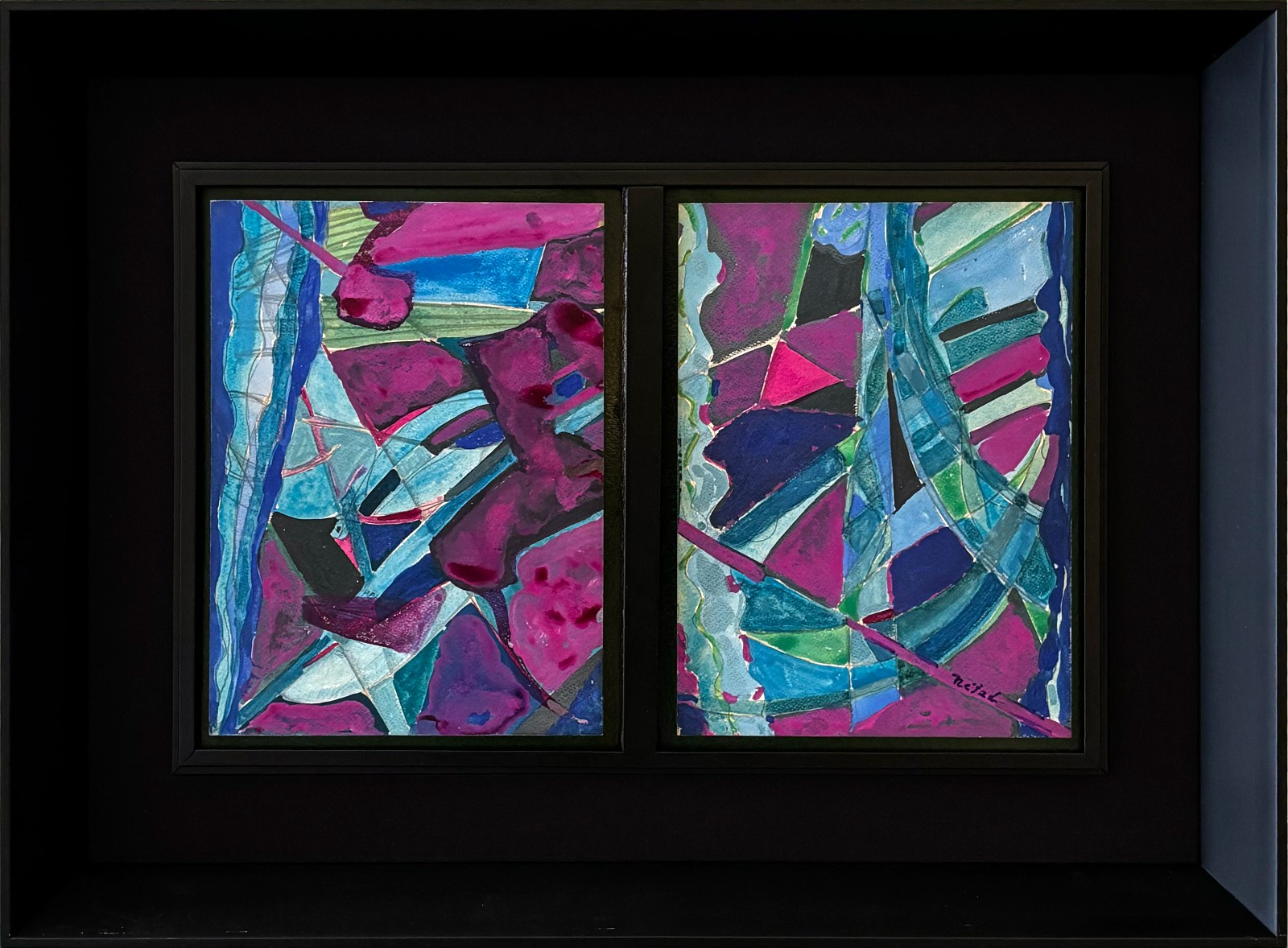
Producing works in parallel with the modernist artists of his time, Devrim actively participated in the European art milieu. During this period, he abandoned the figurative compositions he had started in Istanbul and created the masterpieces of Turkish abstract art that he would continue to develop with great mastery in later years. He drew inspiration from the multicolored compositions of Byzantine mosaics, integrating them into his works and thereby carving out a distinct place for himself within the European art world.
Considered the most significant representative of geometric and lyrical abstraction in Turkish art history, Devrim believed that nature should not simply be imitated but understood in depth. He drew inspiration from modes of expression in lyrical paintings, where color is used as a powerful compositional element. For Devrim, painting was a field of exploration, where chance encounters and unknowns could always lead to a new composition.
The 1950s marked the years in which Devrim’s career began to mature. During this time, he reinforced his innovative approach to abstraction by merging the visual language of the East with the influences of Western modernist movements, giving his art a new dimension. He enriched his practice through numerous international travels, left Paris in 1968 to settle in Poland, and continued to expand his artistic production there. The artist passed away in Poland in 1995.