



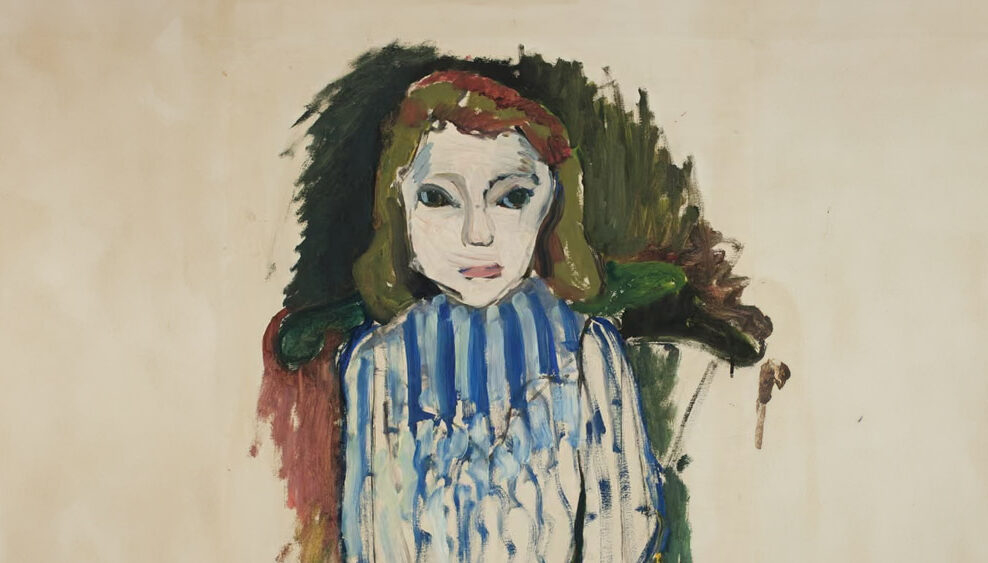
The Musée d’Art Moderne de Paris has acquired 61 works that had been carefully preserved for decades by the family of Henri Matisse, one of the most lyrical figures of modern art. Centered on the artist’s daughter, Marguerite Matisse, this significant donation offers a new way of reading Matisse’s oeuvre through personal relationships and lived experience.
The works were previously loaned to the museum for the widely acclaimed exhibition Matisse and Marguerite: Through the Eyes of a Father, held last summer. Following the exhibition’s conclusion, the family made the unexpected decision to donate the entire group to the museum’s permanent collection. The donation was carried out by Barbara Dauphin Duthuit, the wife of Matisse’s grandson Claude Duthuit, and was described by museum director Fabrice Hergott as “an extraordinarily generous gesture.”
An Artistic Production Read Through Marguerite’s Life
At the heart of the donation is Marguerite Matisse, born in 1894, who gradually evolved from being merely a model into a central presence shaping her father’s artistic vision. The high collars and ribbons frequently seen in Matisse’s portraits reflect garments Marguerite wore to conceal a scar on her neck left by childhood diphtheria. These details go beyond physical depiction, introducing a quiet sense of vulnerability into the portraits.
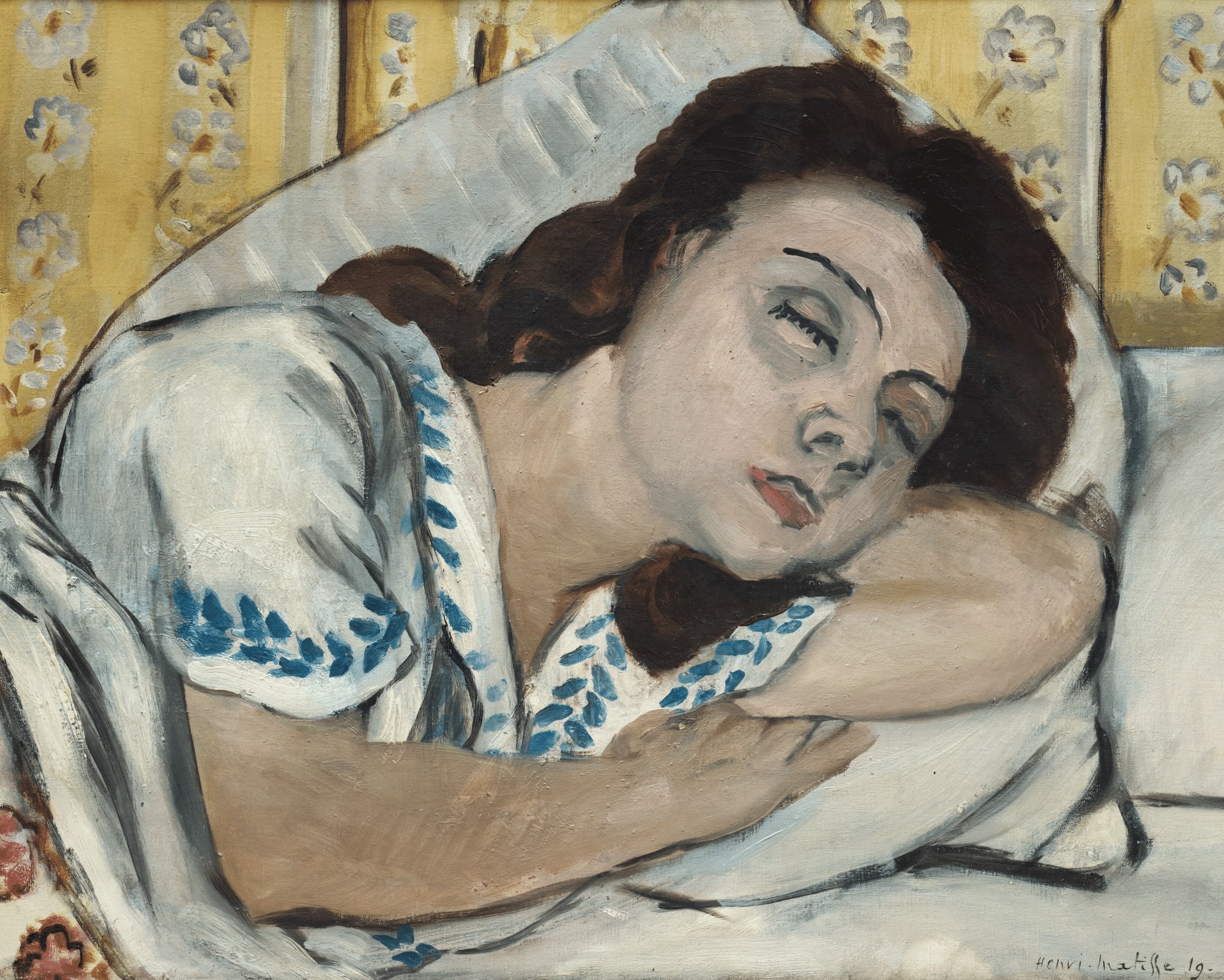
The selection spans Marguerite’s life from childhood to adulthood. The 1920 painting Marguerite endormie depicts her during a period when she was recovering from chronic health problems and marks a more introspective phase in Matisse’s approach to portraiture. In works produced after the Second World War, this fragility gives way to a more distant and restrained presence. This shift coincides with years in which Marguerite joined the French Resistance, was arrested and tortured by the Gestapo, and narrowly escaped deportation to a concentration camp.
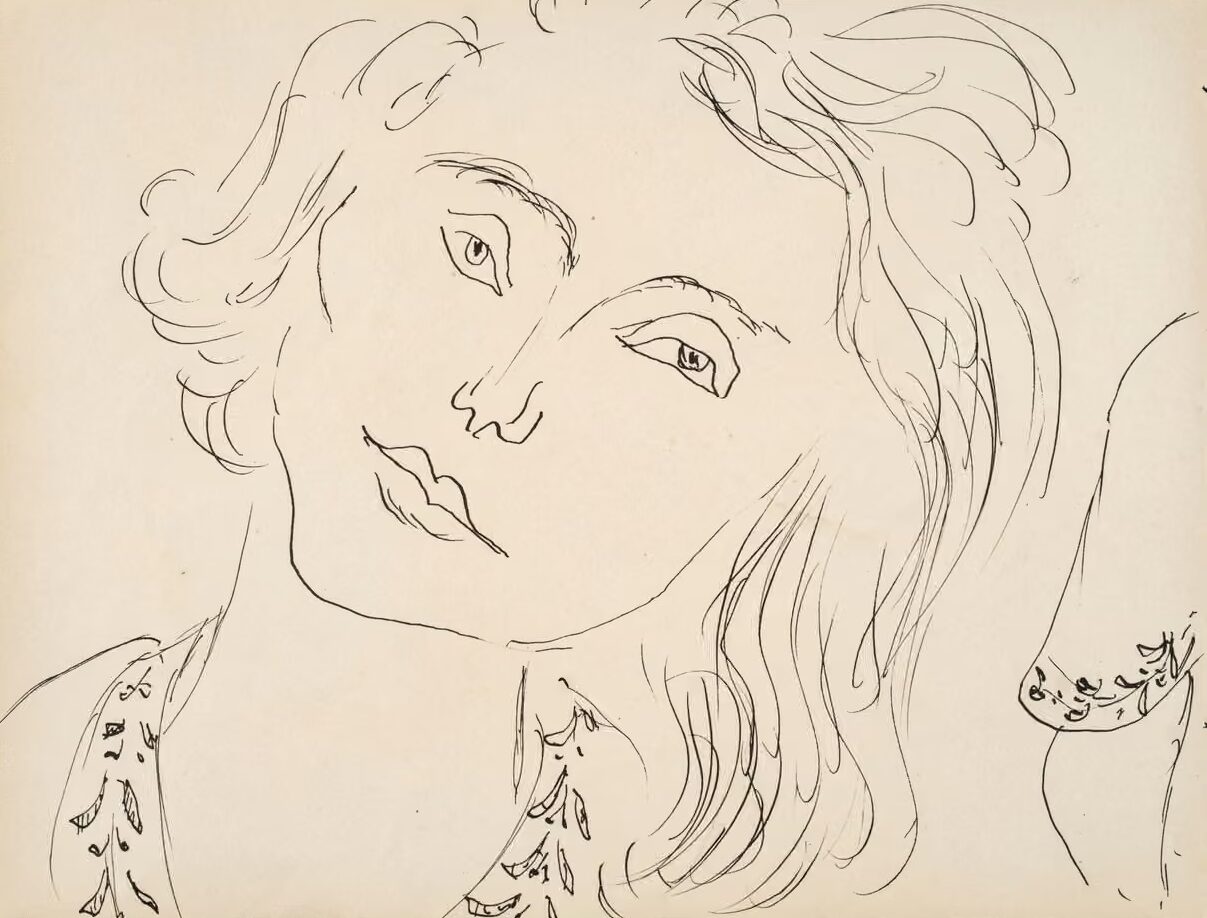
Illustrated books, prints, and engravings included in the donation reveal Marguerite’s direct involvement in Matisse’s creative process. Often accompanying her father during his collaborations with printers, she appears not only as a subject but as an active participant in production. Some of these works are directly dedicated to her, bearing traces of a collaborative relationship between father and daughter. The selection also includes a drawing depicting Claude Duthuit, Marguerite’s son with art critic Georges Duthuit.
According to director Fabrice Hergott, the donation represents one of the most important acquisitions in the museum’s history. Displayed alongside the institution’s iconic La Danse panels, these newly acquired works allow Matisse’s art to be understood not only through formal development, but also through the intimate lens of personal relationships and lived experience.