


During visiting hours, an armed robbery took place at the Mário de Andrade Library in São Paulo, during which 13 rare prints by Henri Matisse and Candido Portinari were stolen. One of Brazil’s most important public cultural institutions, the Mário de Andrade Library was shaken by the daytime armed robbery on Sunday. Two individuals entered the library while it was open to visitors and, threatening a security guard and an elderly couple inside with a gun, fled with 13 works, including pieces by world-renowned artists.
According to information from local media and the police, the suspects left the scene on foot, heading toward the Anhangabaú metro station with the artworks. One day after the incident, a 31-year-old suspect with a prior record for drug-related offenses was taken into custody. Police continue their efforts to locate the second suspect believed to be involved in the robbery and to recover the stolen works.
Exhibition, Prints, and the Debate on Cultural Value
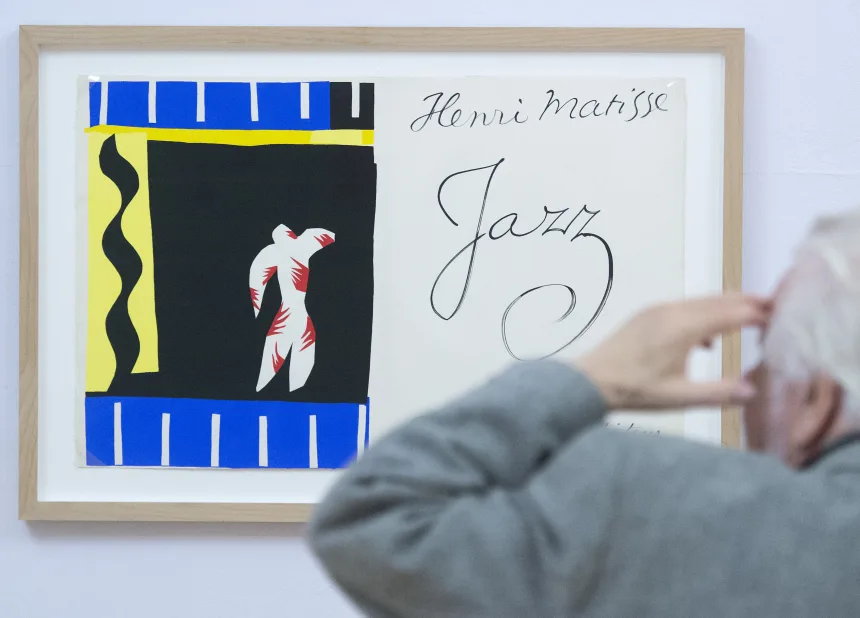
The stolen works were part of the exhibition Do Livro ao Museu (“From the Book to the Museum”), organized in collaboration between the Mário de Andrade Library and the São Paulo Museum of Modern Art. Ongoing since October, the exhibition brought together rare books, prints, and drawings that highlighted the shared modernist history of the two institutions. The exhibition included eight prints by Henri Matisse and five by Candido Portinari, one of the most significant figures of Brazilian modernism.
According to officials, a significant portion of the eight Matisse prints consists of pages from the artist’s 1947 limited-edition book Jazz. Produced using the cut-paper technique that Matisse developed during a period when he was unable to paint due to health problems, these works are regarded as among the most important artist’s books in art history.
The Portinari prints featured in the exhibition were engravings created for the 1943 book Memórias Póstumas de Brás Cubas. Considered one of the founding figures of Latin American modernism, Portinari presents in these works a critical and socially realist perspective on Brazilian society.
In a statement by the São Paulo Municipal Secretariat of Culture and Creative Economy, emphasis was placed on the cultural, historical, and artistic value of the stolen works rather than their monetary worth. The statement noted that such works cannot be evaluated solely according to economic criteria.