

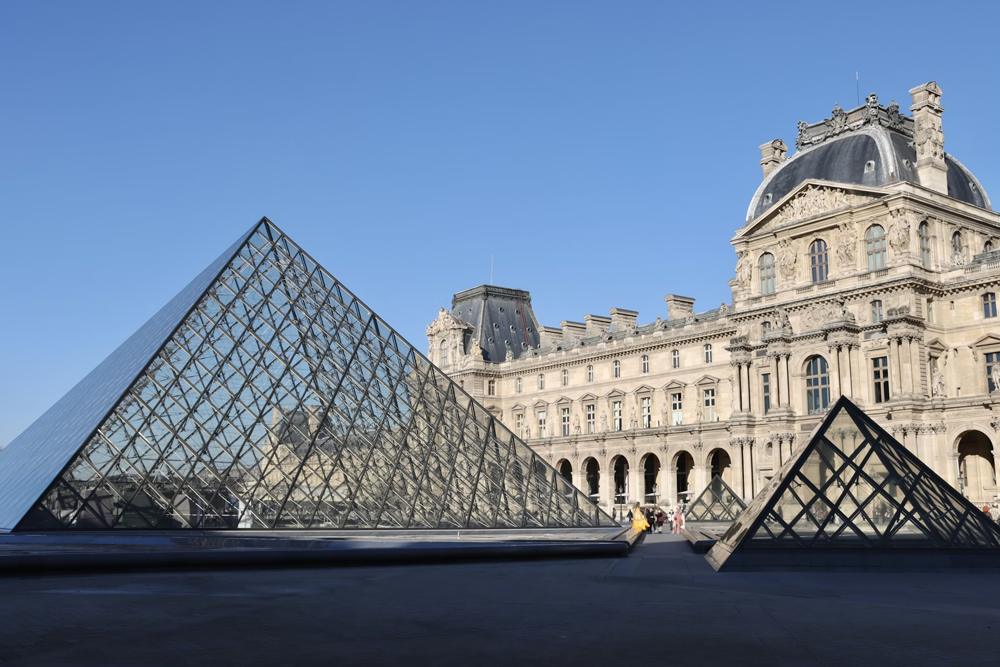
The Louvre Museum in Paris has once again come under scrutiny following a water leak that occurred in late November. The incident affected the library of the museum’s Department of Egyptian Antiquities, damaging hundreds of books and reigniting long-standing debates over the institution’s aging infrastructure.
The Louvre has added another crisis to a series of recent challenges. A water leak at the end of November caused damage to hundreds of volumes housed in the library of the Egyptian Antiquities department. According to a statement by the museum administration, between 300 and 400 books were affected. Francis Steinbock, Deputy Director General of the Musée du Louvre, stated that the damaged materials mainly consist of Egyptology journals and scientific documentation dating from the late 19th to the early 20th century. Steinbock emphasized that no rare books or items of significant cultural heritage value were harmed and that the losses are not irreversible. The books will be dried, rebound, restored, and returned to the shelves.
Structural Failures, Theft, and the Threat of a Strike
The source of the leak has been identified as a long-known infrastructure issue, with repairs scheduled for next year. This incident marks the third major problem the Louvre has faced in the past three months. In November, a gallery displaying Greek ceramics was partially closed due to structural concerns related to the ceiling. In October, the theft of French royal jewels valued at approximately €88 million exposed serious security vulnerabilities within the museum. The stolen jewels have not yet been recovered, prompting the museum to transfer some of its most valuable pieces to the Banque de France.
These developments have reignited broader criticism of the museum’s overall condition. In a report published in October, France’s Cour des Comptes (Court of Auditors) stated that the Louvre has prioritized spending on art acquisitions over essential building maintenance and renovation. Louvre Director Laurence des Cars had previously warned the Ministry of Culture about the building’s severe state of deterioration. In response, a comprehensive renovation initiative titled Nouvelle Renaissance, covering the next decade, has been announced.
Meanwhile, following the water leak, unionized staff at the Louvre have mobilized. Three cultural unions warned that they would launch an indefinite strike from mid-December unless working conditions improve and planned ticket price increases are withdrawn. The unions have particularly criticized the steep ticket hikes proposed for visitors from outside the European Economic Area, calling them unfair. They are also demanding that revenues generated from the Louvre’s brand licensing agreement with Abu Dhabi be allocated directly to restoration efforts rather than to the construction of new entrance areas.