

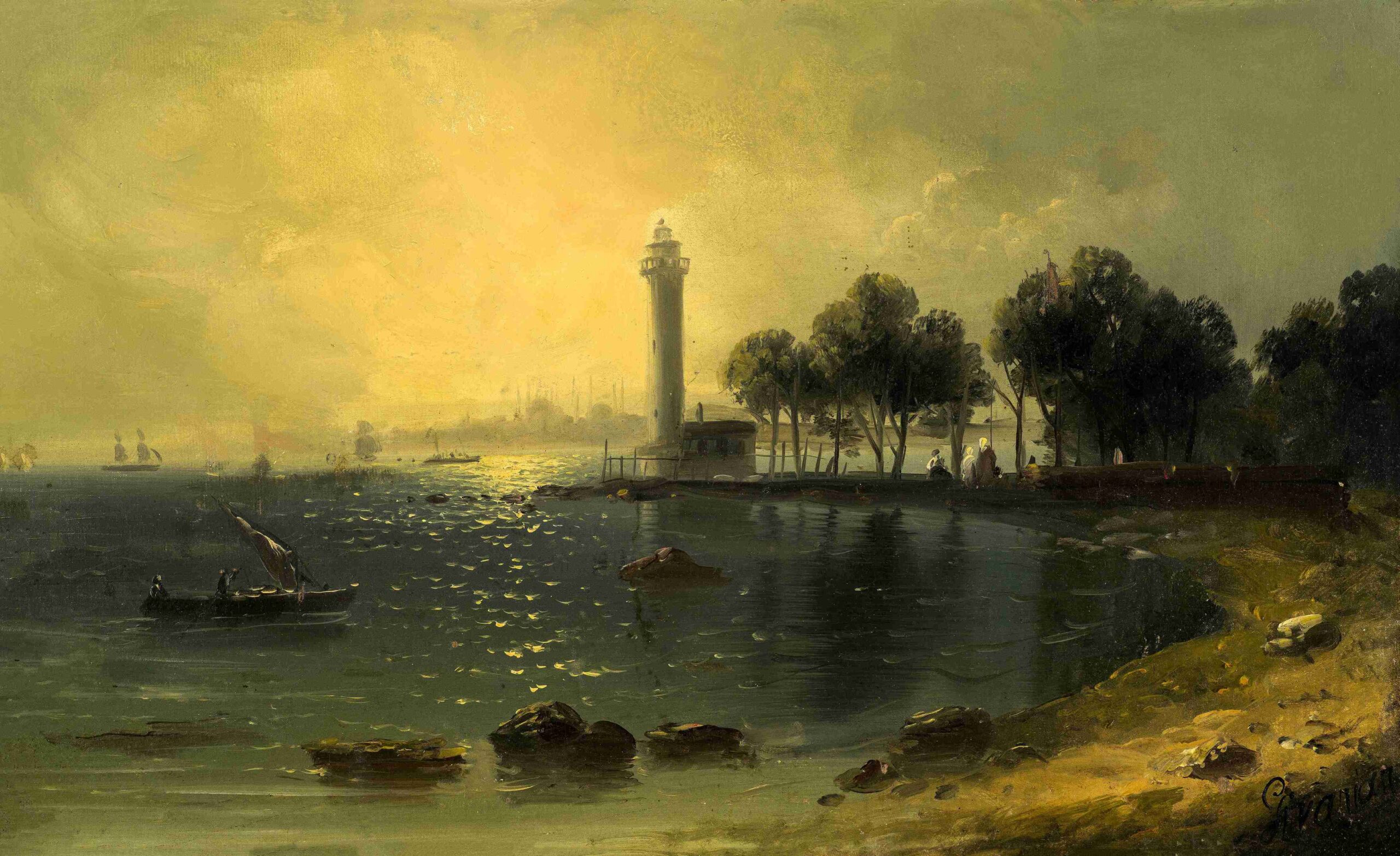
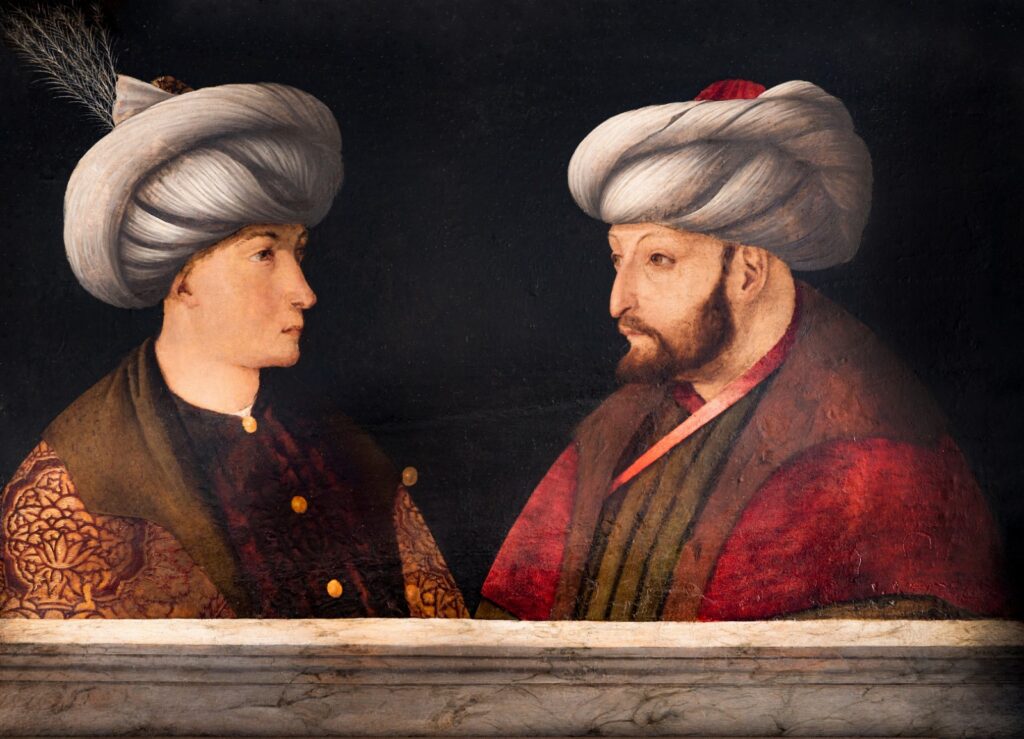
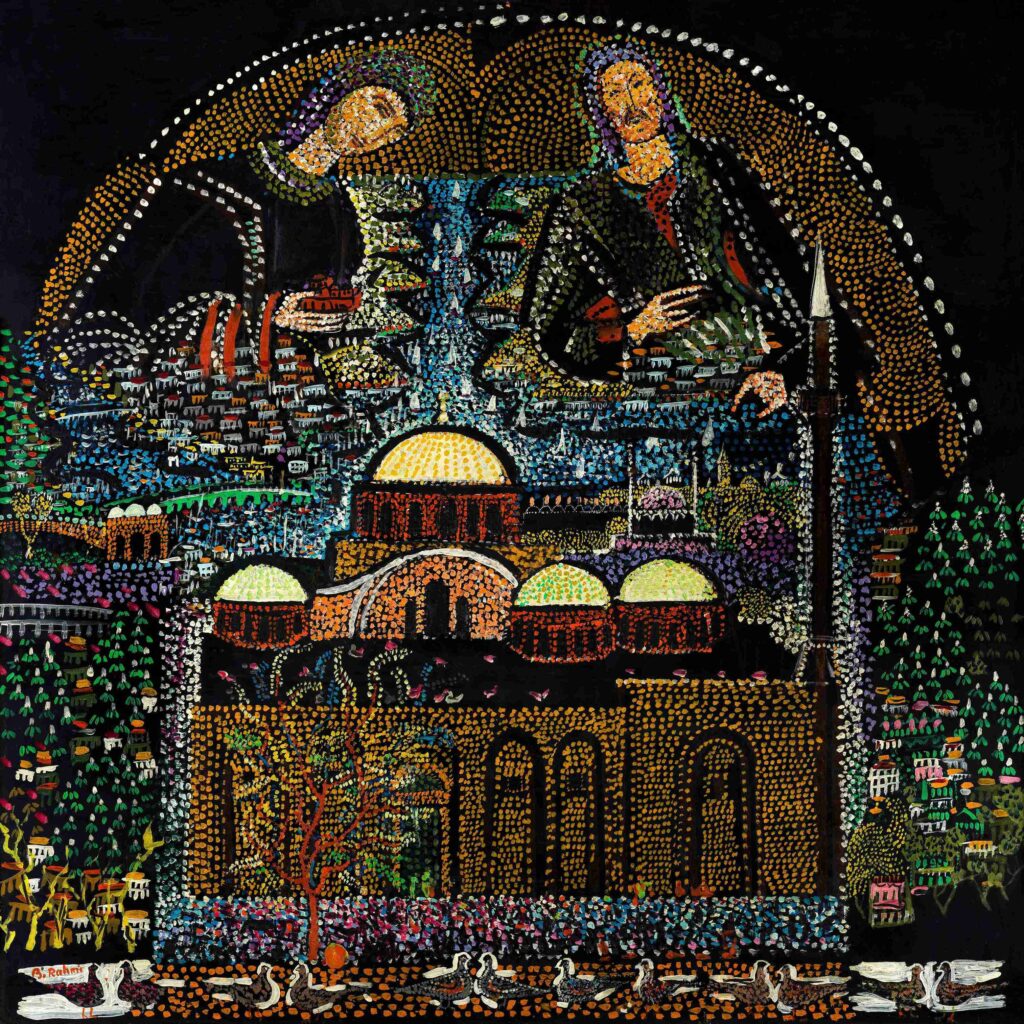
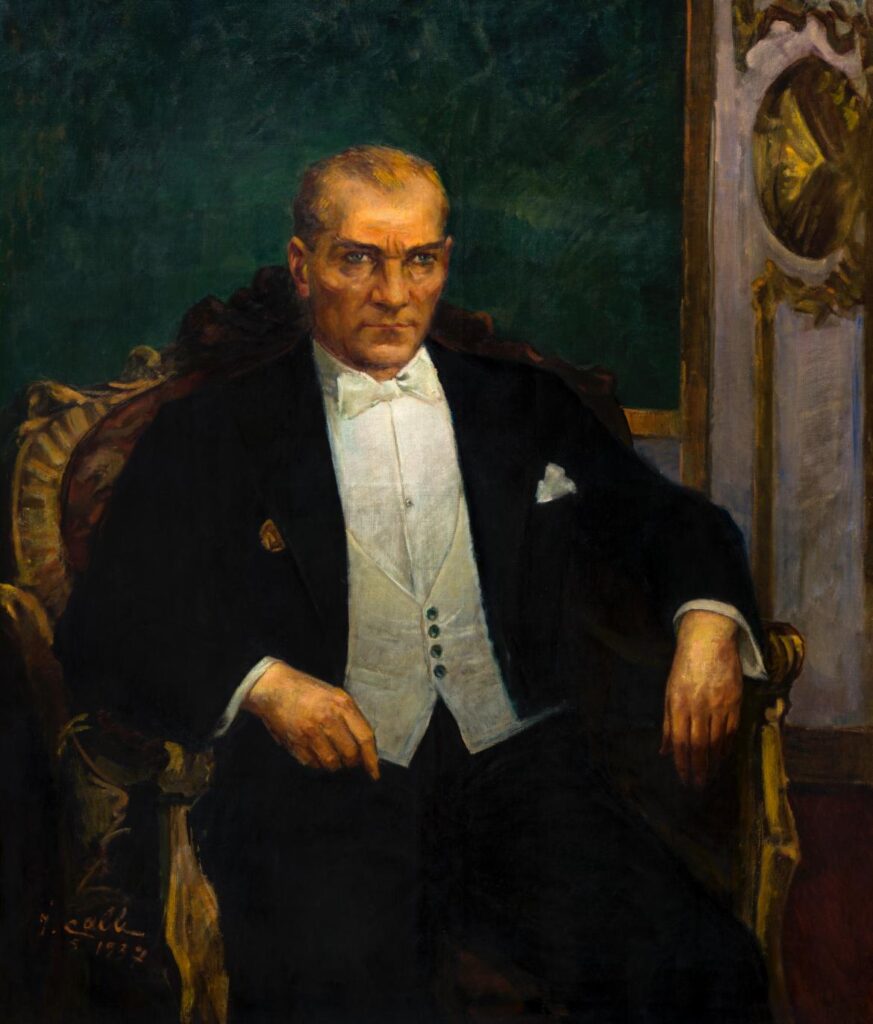
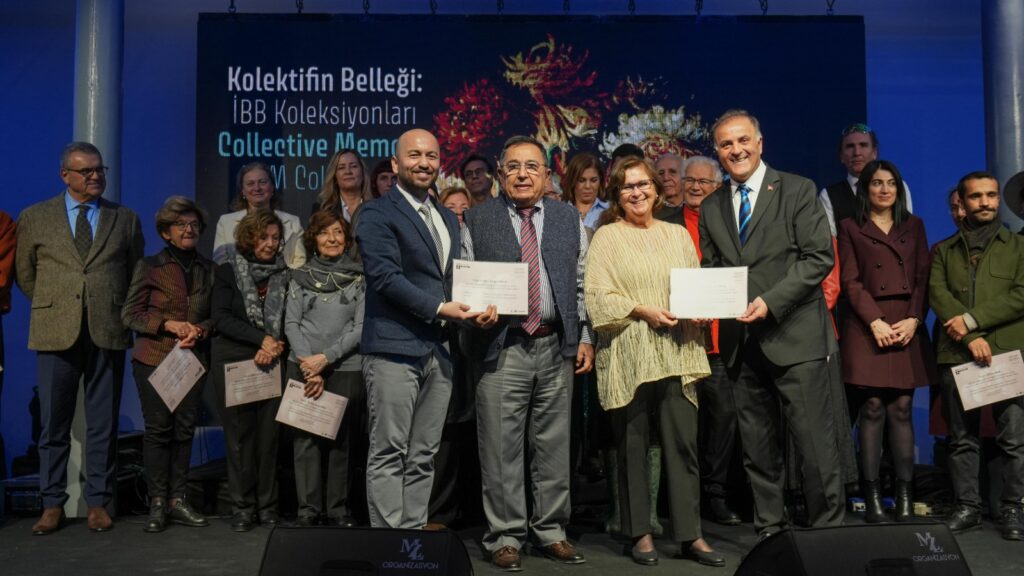
Making visible a centuries-long accumulation extending from the Ottoman Empire to the Republic, Memory of the Collective: İBB Collections brings together 627 works by 187 artists at Artİstanbul Feshane. Alongside figures such as Antoine Ignace Melling, Mıgırdiç Civanyan, Tevfik Fikret, Naile Akıncı, Zeki Kocamemi, Bedri Rahmi Eyüboğlu, and Zeki Faik İzer, the exhibition also includes contemporary works by Berna Türemen, Ali İsmail Türemen, Mert Özgen, and Berkay Buğdan. As part of the exhibition, Berna Türemen and Ali İsmail Türemen donated 195 works from their collections, along with nine works from the Türemen Collection, to the İBB Art Collections; the selection Akıncı Collection: Memory of the Collective, prepared under the consultancy of Cengiz Akıncı, is also included in the exhibition. Proposing to read Istanbul’s artistic memory through thematic thresholds, and standing as one of the most comprehensive exhibitions realized by the İBB to date, the selection is accompanied by conversations with İBB Deputy Secretary General Oktay Özel, artist and collector Berna Türemen, and art collector and lawyer Cengiz Akıncı.
Cengiz Akıncı: “Collecting is a matter of responsibility.”
How do you think the İBB Art Collections will serve as a reference in Istanbul’s art narrative 30–50 years from now?
İBB Art Collections, along with venues such as Müze Gazhane, Artİstanbul Feshane, and Casa Botter—which have been reimagined with new functions for displaying these collections—have begun to leave their mark on Istanbul’s cultural life and to constitute key sources of the city’s memory. The museum collections established during the Republican period and transferred to the İBB at various times contain highly valuable works that have become part of Turkish art history. For example, Zeki Kocamemi’s masterpiece Funeral Procession, brought to this exhibition from the Şişli Atatürk House Museum, was awarded first prize at the 1st State Painting and Sculpture Exhibition held in 1939. Today, with approximately 400 works added to the 800 already in the İBB Collection, this exhibition makes an extraordinary contribution to the cultural memory of this ancient city, which has served as the capital of two empires. In line with the importance placed on culture by the political tradition to which Ekrem İmamoğlu belongs, the team formed on the basis of merit has achieved a significant accomplishment. Led by figures such as Mahir Polat and Oktay Özel, this team offers a lasting contribution that strengthens the public memory of both today and the years to come.
What kind of narrative did Istanbul offer you in the formation of the Akıncı Collection?
My mother was a painter who left her mark on Turkish art history, was deeply devoted to Istanbul, and whose works almost became identified with the Eyüp district of the city. My father, on the other hand, was a historian-academic who instilled in me a consciousness of history and culture; therefore, beyond Istanbul’s extraordinary picturesque character, its archaeology and its cultural and historical richness also played a role in the development of my intellectual formation. Under the influence of these conditions, along with Istanbul’s very rich cultural past, Modern Turkish Plastic Arts and works centered on Istanbul also entered my field of interest. These circumstances, which shaped both my personal life and my intellectual background, were instrumental in forming the thematic and conceptual framework of the Lale & Cengiz Akıncı Collection, which I first began individually and, from 1983 onwards, together with my wife.
What does it mean, in your view, for a collector to share their works with a public institution?
Personally, I believe that collecting is not merely about acquiring artworks. Today, this definition may also include “accumulators” who purchase works simply to amass them, “buy-and-sell” dealers who aim to resell immediately, or those who wish to decorate their homes with well-known names while presenting a “distinct” intellectual image within their social circles; however, I believe that a true collector should contribute both materially and spiritually to the development of art. In my opinion, “donating to museums” is of great importance in terms of contributing to the development of art. Every art collection takes its viewers on a cultural journey that reflects the intellectual background, knowledge, aesthetic accumulation, taste, imagination, interests, and aspirations of the person who formed that collection—and this journey gains new meaning with each work included. Both the collection and the viewer are enriched. From this perspective, as we often see in museums in the West, I believe that the act of “sharing artworks included in a collection with a public institution” is of great importance for the development of art in our country.
Berna Türemen: “To live by donating and sharing is a lifelong happiness for us”
With this exhibition, how does the inclusion of the Türemen Collection within the İBB Art Collections fill a gap and what significance does it hold for Istanbul’s art history?
For us, the Türemens, public memory is tinged with sorrow… I was born in 1945 in the famous Letafet Apartment in Şehzadebaşı, Vezneciler. Letafet is the building where Darülbedayi (the first conservatory) was established. It is a historic property belonging to Serasker Rıza Pasha, dating back to 1914. The top floor housed the conservatory; the lower floors contained apartments, a wedding hall, a coffeehouse, a photographer, and shops—our bookstore… a site in itself… In 1958, in the name of widening the road from Fatih to Beyazıt, everything around it—public spaces, along with historic baths—was demolished… My father’s ancestral home in Süleymaniye… Ali İsmail Türemen’s ancestral home in Sultanahmet… all were historic structures; they disappeared—sorrowful…
In 2010, at Selvin Gallery, I painted Istanbul as Is’tombul (growing obese, becoming uglier, filled with garbage) in an ironic sense. Unfortunately, the value of a work, a building, or an object is often understood only when it is gone. In terms of protecting and preserving them while they still exist, the exhibition Memory of the Collective – İBB Collections is very important. Our works exist in private collections and museums; however, the 195 paintings we contributed to Artİstanbul Feshane consist of works we had set aside for ourselves, spanning the years 1970–2025.
For a collector, is opening a collection to the public merely an act of sharing, or a field of cultural responsibility? How do you define the relationship between collecting and public memory?
The reason for the Türemen donation is our love for Istanbul, our roots… The opening of Artİstanbul Feshane to the public is about sharing… Sharing is the most beautiful feeling… To live by donating and sharing is, for us Türemens, a lifelong happiness…
Oktay Özel: “This exhibition is an investment in the future memory of Istanbul”
What does Memory of the Collective: İBB Collections represent for Istanbul? What kind of cultural memory does it propose for the city’s present and future?
Memory of the Collective: İBB Collections is not merely an exhibition for Istanbul; it is a powerful representation of how public memory is constructed. By bringing the city’s artistic accumulation onto a platform accessible to all, it transforms Istanbul’s memory into a shared meeting ground.
The exhibition does not settle for looking at Istanbul solely through its past; it invites viewers to reflect collectively on the city’s transformations, ruptures, and ongoing narratives. Through the works, it reminds us that Istanbul’s memory is not formed by a single narrative, but by multiple voices and shared experiences.
In this sense, Memory of the Collective listens to a living and continuously evolving urban memory. Becoming visible for the first time on such a scale within a public framework at Artİstanbul Feshane, the exhibition demonstrates that cultural heritage grows as it is shared, while standing out as an investment in the future memory of Istanbul.
What do the works in the exhibition tell us about Istanbul’s modernization process and social transformations? How can the city be read through this selection?
The works in the exhibition do not present Istanbul’s modernization as a linear narrative; on the contrary, they make visible how the city’s transformation has been shaped through thresholds and ruptures. Extending from the Ottoman Empire to the Republic, from early modernization efforts to contemporary social changes, this collection makes it possible to read Istanbul not only through aesthetic preferences but also through social structure, everyday life, and spatial transformations.
Bringing together different periods and artists, the selection reveals the city’s journey from an imperial capital to an industrial city, and from there to today’s metropolis; at the same time, it opens up a space to think of Istanbul as a city that both preserves its connection to tradition and seeks to engage with the modern world.
How does the integration of private collections into public collections transform urban memory? What framework does İBB’s donation policy rely on?
For us, the most meaningful aspect of this collection and exhibition is the strong collective spirit it embodies. The works entrusted to Istanbul by artists, collectors, and donors—through their trust in İBB Miras and İBB Kültür—come together for the first time on such a scale. These works are no longer merely parts of individual collections; they have become part of a shared public memory.
In this process, the courage and leadership shown by collector-lawyer Cengiz Akıncı and Berna Türemen were decisive. Following the path they opened, more than 300 works were added to the İBB Collection through the contributions of 55 collectors. This solidarity enabled the collection to grow not only numerically but also in terms of its representational power and inclusivity.
Our fundamental aim is to make Istanbul a more just, more accessible, and more inspiring city for everyone. In this respect, the integration of private collections into public collections marks an important threshold. Works that remain hidden in private spheres, once they enter the public domain, transcend their personal stories and become part of a shared memory. The fact that 311 of the 627 works in the exhibition were incorporated into the collection through donations clearly demonstrates İBB’s participatory and collective understanding of heritage.
How does Artİstanbul Feshane fill a gap in Istanbul’s art scene? How does it transform the relationship with art in the public sphere?
Artİstanbul Feshane fills a significant gap as a large-scale and inclusive public art space that has long been missing in Istanbul. The fact that Feshane, once a site of production, has now been transformed into one of the centers of cultural production is the key element that makes the venue distinctive.
Moving in parallel with Istanbul’s own narrative of transformation, this structure, as Artİstanbul Feshane, opens a new chapter in the city’s cultural and artistic memory. Since 2023, its exhibition program—featuring projects such as Starting from the Middle, the 10th Asia–Europe Mediations Biennale, and The Dynamic Eye, realized in collaboration with Tate—has positioned Feshane strongly within both national and international art agendas. Today, Artİstanbul Feshane is not only an exhibition venue but also a major point of attraction on the city’s contemporary cultural map.
It is therefore meaningful that the exhibition Memory of the Collective: İBB Collections meets its audience here. Located on the shores of the Golden Horn and easily accessible to everyone, Feshane transforms art from being the privilege of a certain group into a part of everyday life. The relationship established with art here becomes less distant, more everyday, and more shareable—turning into a living form of common experience intertwined with the city.