
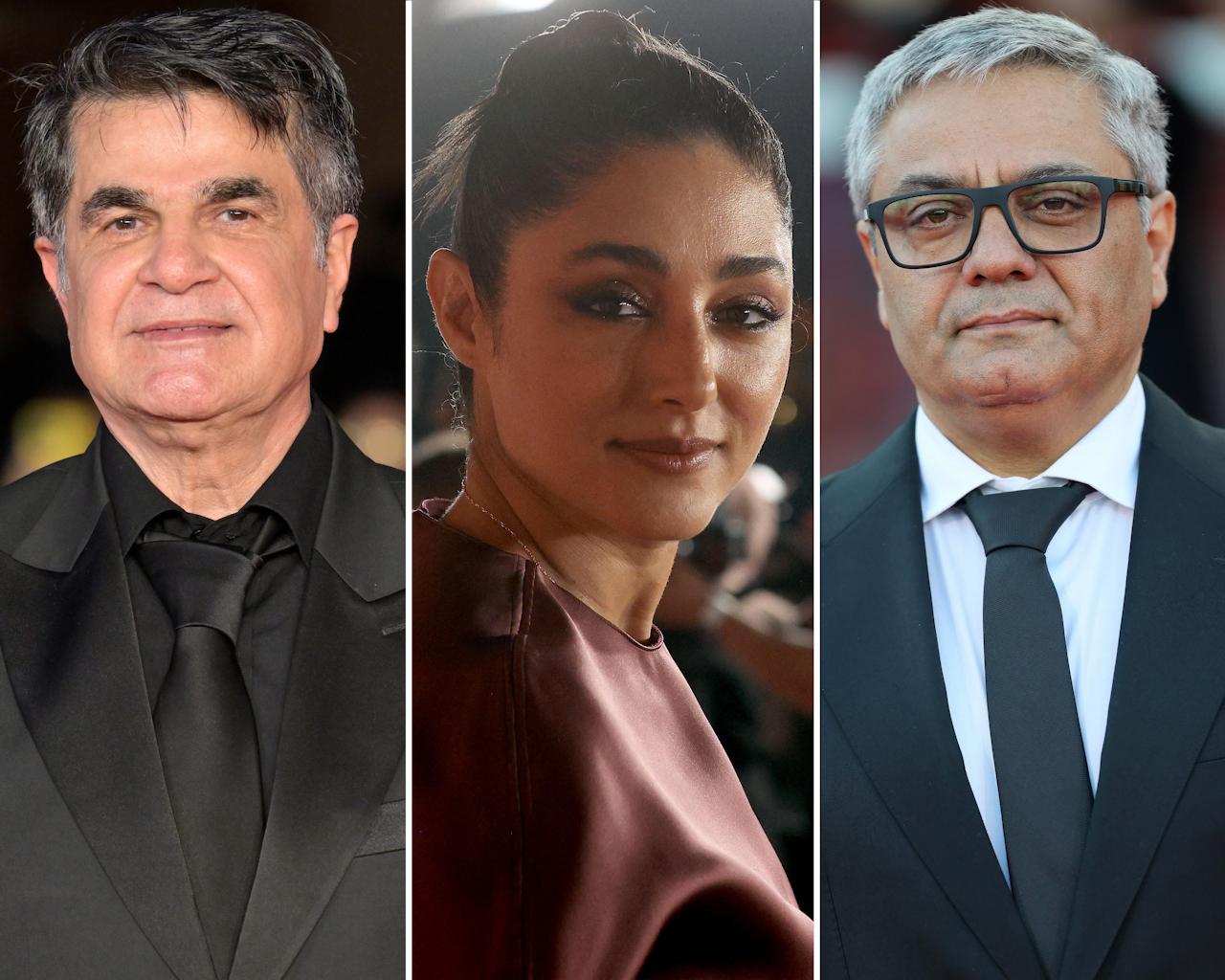
Iranian filmmakers Jafar Panahi and Mohammad Rasoulof have described the internet and communications shutdowns imposed during the ongoing protests in Iran as “a clear instrument of repression aimed at concealing violence.” Numerous artists in the diaspora have also issued calls for solidarity with the Iranian people.
Rising living costs and a deepening economic crisis in Iran spilled onto the streets with protests that began on Sunday, December 28, at Tehran’s Grand Bazaar. Rapidly spreading across all provinces, the demonstrations—now referred to as the “December Protests”—have become one of the largest social movements in the country in recent years.
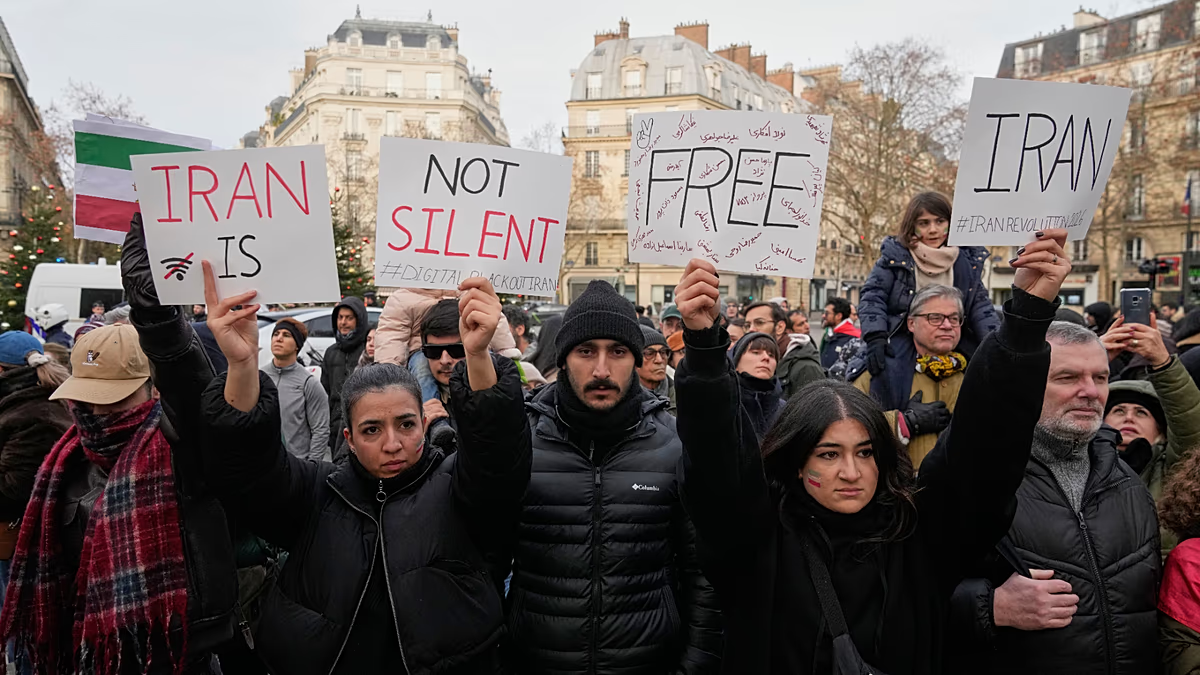
As the second week of protests comes to an end, a near-total communications blackout that has lasted for approximately four days has left Iranians largely cut off from one another and from the outside world. The shutdown has also severely disrupted the flow of independent information and news.
An Urgent Call to Action
Following harsh crackdowns on weeks-long anti-government protests, the Independent Iranian Filmmakers Association (IIFMA) issued an “urgent call to action” to the international community.
Amid growing concern that thousands may have lost their lives as a result of security forces’ interventions, IIFMA stated that many filmmakers and artists have been directly affected by the violence. The organization reported that actor Ahmad Abbassi and director Javad Ganji were killed during protests on January 9 and 10.
Warning of a “deep humanitarian crisis” unfolding in Iran, IIFMA stated that “the Islamic regime’s severe and disproportionate response has reached alarming levels.” The statement continued: “Before our eyes, a tragedy reminiscent of Tiananmen—yet ten times greater—is taking shape. Responding to the Iranian people’s call for help and preventing further bloodshed is of vital importance. The time to act is now.”
Iranian filmmakers Jafar Panahi and Mohammad Rasoulof also voiced strong opposition to the internet shutdowns imposed as protests intensified. In a joint statement shared on social media, the two directors stated that the closure of communication channels was intended to conceal violence against protesters.
Palme d’Or–winning director Jafar Panahi was sentenced last month to one year in prison by Iranian authorities on charges of “propaganda activities.” Mohammad Rasoulof, meanwhile, left Iran in 2024 and has been living in exile in Europe while appealing a prison sentence issued against him.
In their joint statement, the filmmakers said: “In recent days, after millions of Iranians took to the streets to protest against the Islamic Republic, the government has once again resorted to its most overt instruments of repression.”
Leaving the Iranian People Defenseless
The directors stated that the Iranian government has disabled internet access, mobile phones, and landlines, severing communication within the country while simultaneously cutting off all channels of contact with the outside world. “The purpose of such measures,” the statement said, “is to conceal the violence carried out during the suppression of protests.”
Emphasizing that the Iranian people have been left defenseless, Panahi and Rasoulof called on the international community, human rights organizations, and media outlets to act. They stressed the urgent need to restore access to communication platforms so that developments in Iran can be monitored.
Protests that have continued for nearly two weeks, along with mounting allegations of violence, have also prompted many artists in the Iranian diaspora to raise their voices. Posts circulating on social media under the hashtags #IranianRevolution and #IranianRevolution2026 demonstrate the global resonance of the protests in Iran.
A Call to the International Community and the Media
Iranian-born, UK-based artist Soheila Sokhanvari wrote on social media: “Unarmed and innocent people in Iran are being subjected with impunity to violence and live ammunition. This is not a protest—it is a revolution. Please be their voice.” Sokhanvari emphasized that international media coverage, despite the internet shutdown, would convey to the Iranian people that they are not alone.
Actor Golshifteh Farahani, who is among the artists forced to leave the country, also expressed solidarity in an Instagram post. “Iran is once again in flames. My heart beats with the Iranian people,” she wrote.
British-Iranian comedian Omid Djalili, speaking on The News Agents program, said he was working to amplify the voices of people in Iran. Commenting on the trajectory of the protests, Djalili noted: “The hashtag #IranProtest2026 has now given way to #IranRevolution2026.”