



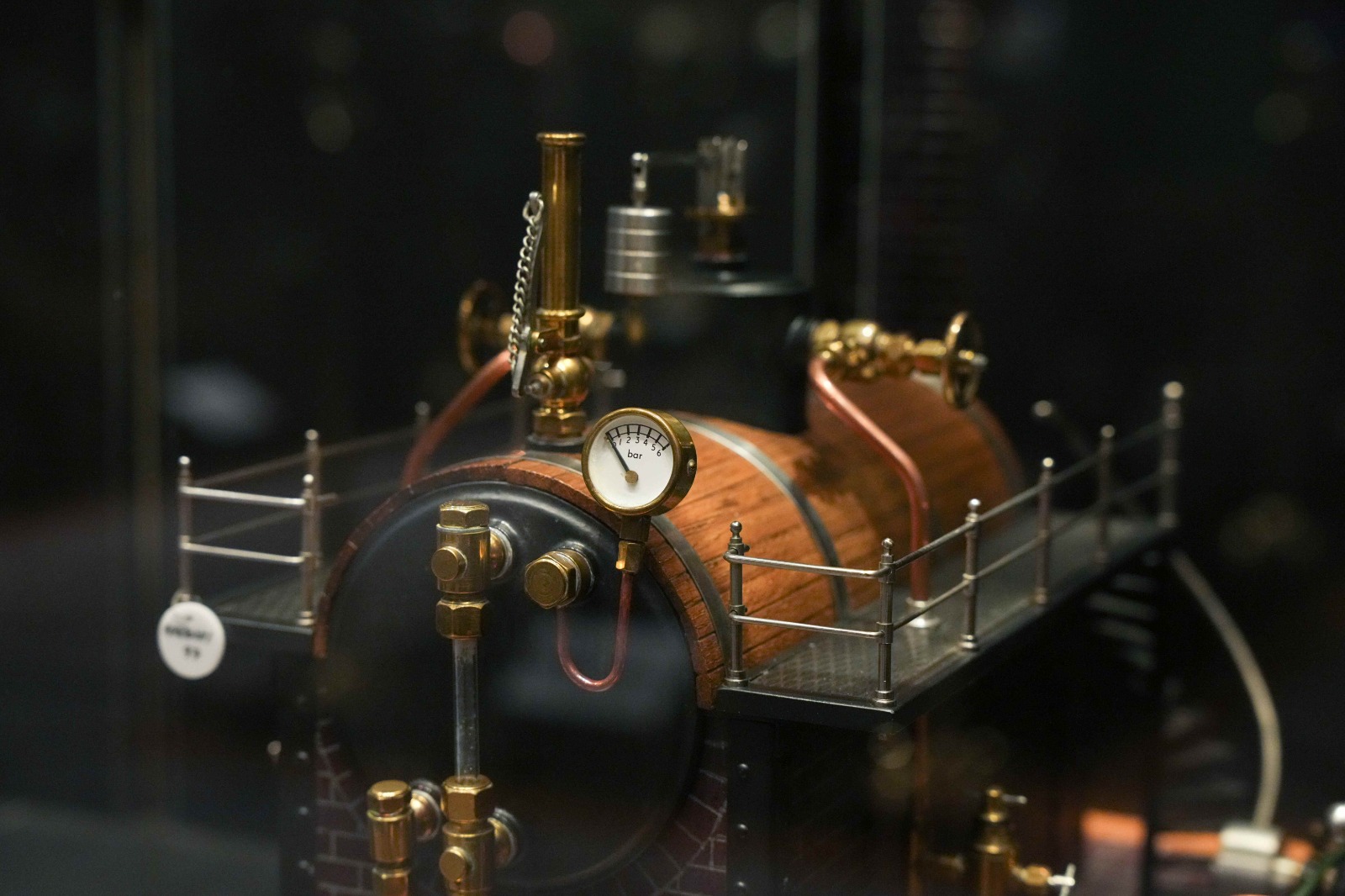
The Rahmi M. Koç Museum has brought the steam and gas engine collection of the Netherlands-based Het Van Osch Museum to Istanbul. The entire industrial collection from the Dutch institution has been transferred to the Rahmi M. Koç Museum, located on the shores of the Golden Horn, where it is now on display in the museum’s Tersane Building.
Comprising more than 15,000 objects, the Het Van Osch collection offers an extensive inventory tracing the history of industry and production. With the presentation of this new collection, the Rahmi M. Koç Museum further expands its focus on industrial heritage.
The collection brings together models from different periods spanning the 1840s to the 1970s. It includes a wide range of examples, from triple-expansion marine engines to horizontal and vertical steam engines, as well as early internal combustion engines and so-called “hit-and-miss” gas engines.
A Historic Technological Transformation
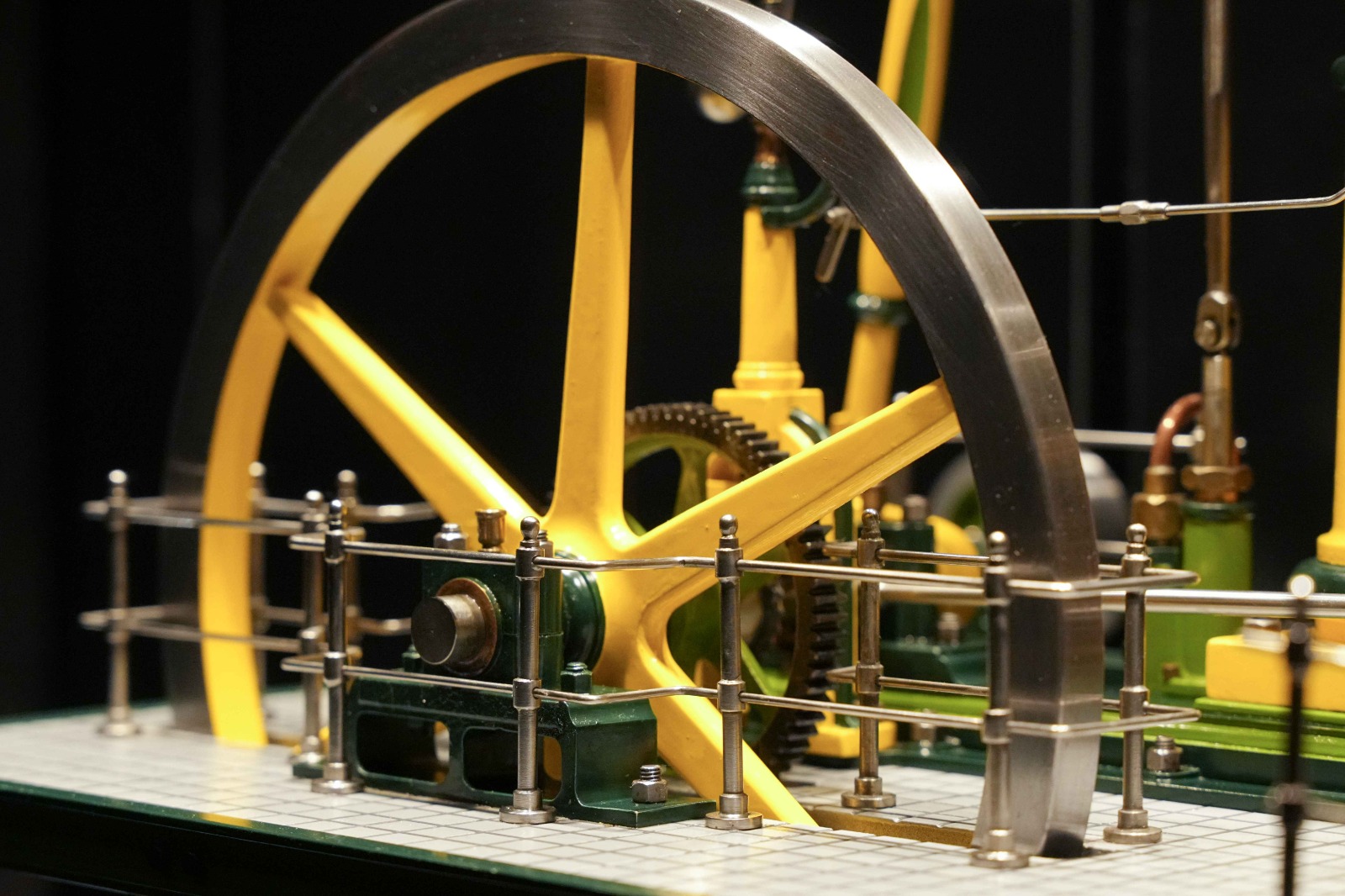
Among the highlights of the collection is the rotary-valve “Lenoir” gas engine, developed around 1860 by Étienne Lenoir and widely regarded as the first commercially successful internal combustion engine. Also featured are working models produced by Stuart Turner, known for their high craftsmanship and durability and widely used as demonstration tools in engineering education throughout the twentieth century.
Another notable object is the one-third scale working model of a portable steam engine manufactured by the British company Marshall and Sons. A motor produced in 1898 by Langensiepen & Co. in Magdeburg, Germany, also stands out: during the day it powered a mill in a factory, while in the evening it was connected to a generator to provide lighting for nearby homes.
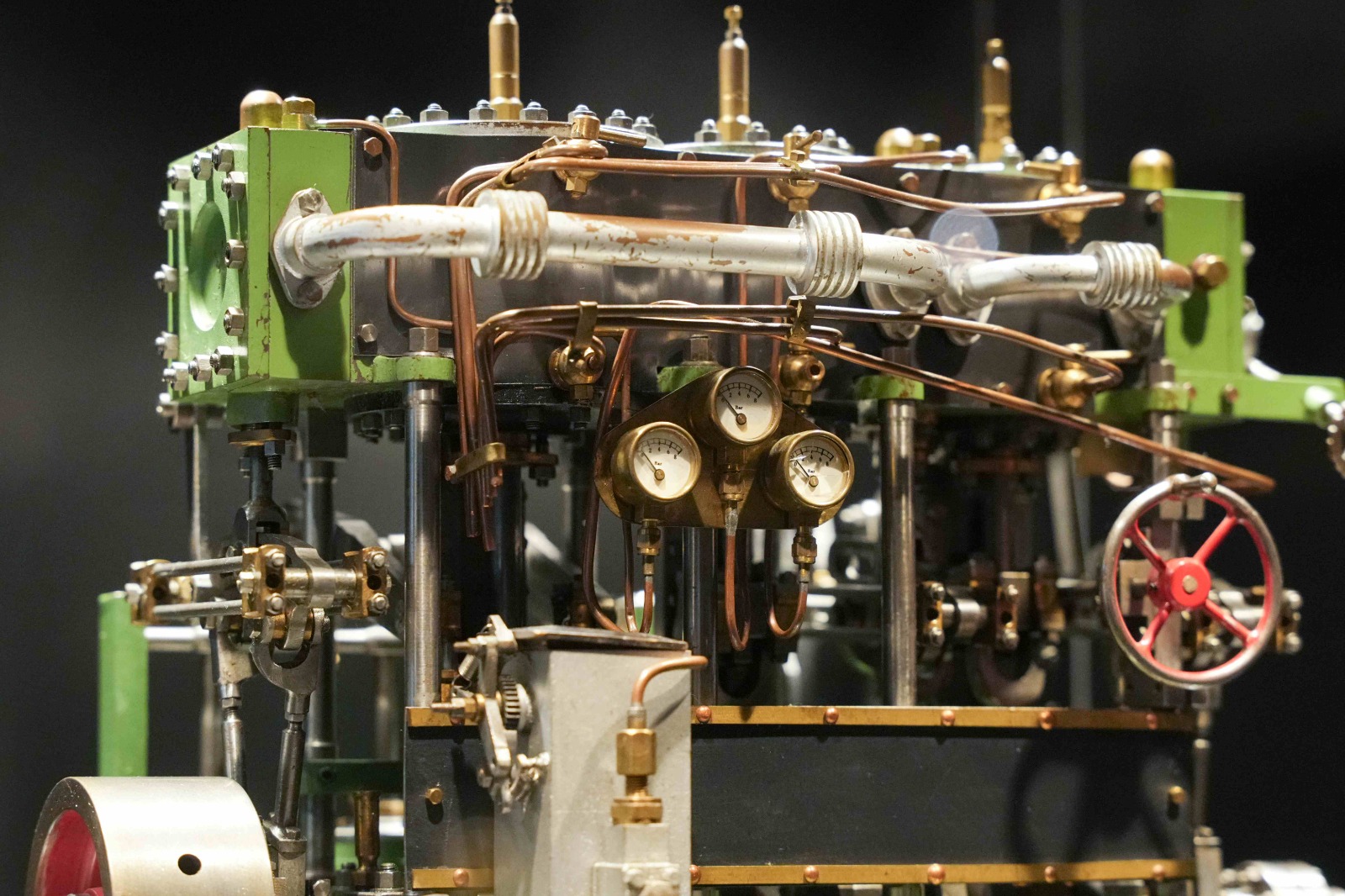
The collection further includes internal combustion engines produced between 1898 and 1943, ranging from 1.5 to 12 horsepower. These machines were used for a wide variety of purposes, including pumping water, grinding grain, operating saws and mills, and driving generators.
Used in industrial plants, mines, and railway workshops for electricity generation as well as agricultural and industrial power transmission, these engines offer tangible examples of the technological transition from steam power to internal combustion systems.