

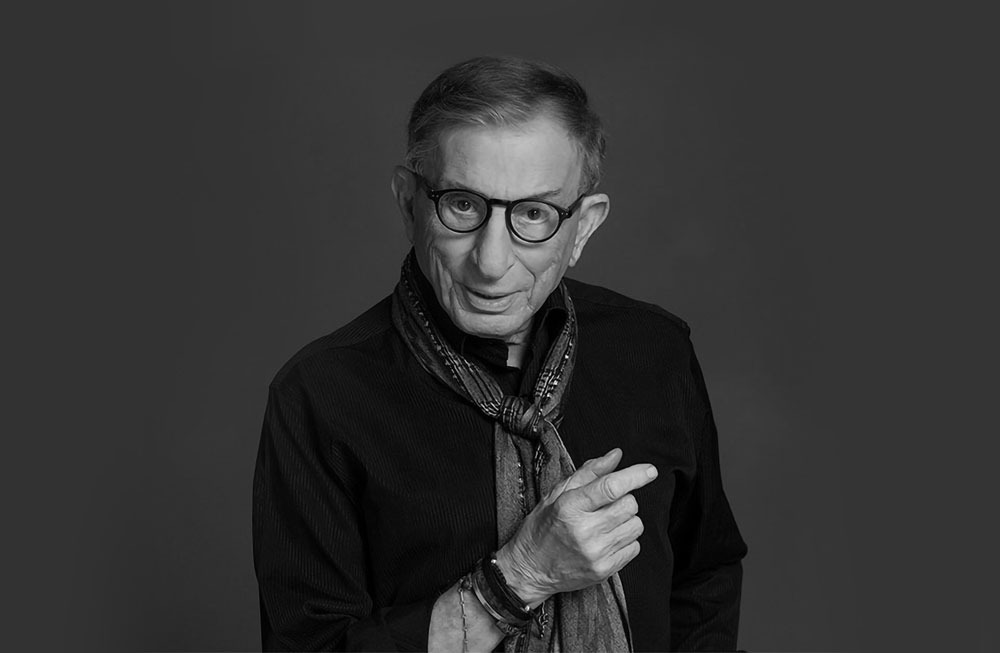
Haldun Dormen, who assumed a founding role in the modernization of Turkish theater during the Republican era, was not merely an artist who existed on stage, but a figure of memory who built theater as a field of culture, discipline, and continuity through his identities as actor, director, educator, and institution builder. He carried theatre beyond being a space of performance alone, approaching it as a matter of culture, discipline and permanence. Through the stages he established, the repertoire he shaped and the generations he trained, he played a decisive role in laying the institutional foundations of modern theatre in Türkiye.
“I never had the ambition to ‘save’ Turkish theatre. I simply wanted to make good theatre…”
Haldun Dormen once described himself in these words in an interview. Today, with his passing, a page from the founding memory of Republican-era Turkish theatre has closed. Dormen took theatre beyond the realm of performance alone and treated it as a matter of culture, discipline and continuity.
Toward a Passion for Theatre
Haldun Dormen was the memory of Turkish theatre, its joy on stage and its architect behind the scenes. Not only a director or an actor, he was a pioneering artist who established the modern tradition of musicals and vaudeville in Türkiye, transforming the stage into a school and theatre into a way of life. The stage language, discipline and worldview that left their mark on Turkish theatre history were shaped by the cultural environment he grew up in and the international education he received.
Born in Mersin as the son of a successful businessman, Dormen moved to Istanbul with his family before he was one year old and spent most of his life in the city. He attended middle school at Galatasaray High School, where he also first stepped onto the stage. The twenty-five kuruş he earned for a role in a school play marked the beginning of a lifelong relationship with theatre. In his biography Anılar (Memoirs), published by Yapı Kredi Publications, he described this small role—written for him by his theatre-loving music teacher Hakkı Bey—as one of the sweetest memories of his childhood. Although an accident at the age of eight left his left foot injured, it never weakened his bond with the stage.
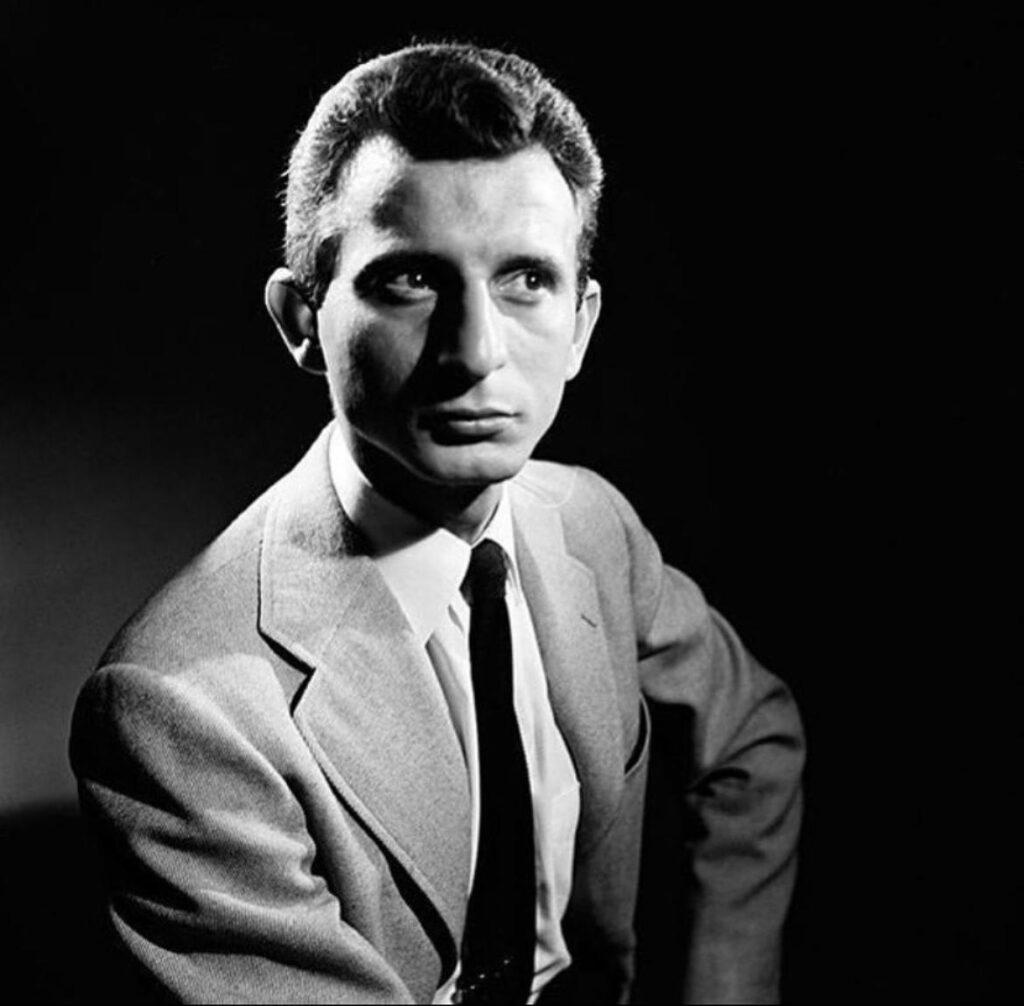
Another encounter that would shape his life came when he watched Othello at the Tepebaşı Drama Theatre. Years later, he recalled the moment:
“At 8:30 p.m. the traditional bells rang and the red velvet curtain slowly opened. I could have died of excitement; I was in an incredible dream world. Othello was being performed on stage. Hadi Hün, Cahide Sonku, Talat Artemel and Suavi Tedü seemed to be performing just for me. That night I heard the name Shakespeare for the first time. I witnessed Othello’s jealousy, Cahide Sonku’s beauty, Talat Artemel’s power, and the magic of clouds passing through the set. Until that day my true passion had been cinema… After that night, theatre joined the seventh art. For days I couldn’t come to myself. I told everyone I met about the play in every detail. (…) I can say that Othello was the turning point of my life. After seeing it, I gave up my childhood dream of becoming a Hollywood star and decided to become a theatre actor in Türkiye.”
This encounter became a threshold. He entered Robert College to learn English and pursue his dream of studying theatre and cinema in the United States. After graduating, he followed his passion to Yale University’s Drama Department, graduating with distinction. The years that took him from New York to Hollywood and Paris shaped his vision of the stage not merely as a place of performance, but as a language of life.
Years That Left Their Mark on the Stage
In 1954, Dormen returned to Istanbul and soon found his way to Muhsin Ertuğrul’s theatre. He recalled their first meeting with excitement and warmth, marking the beginning of a formative period. His first play there, Cinayet Var (There Is a Murder), drew a range of critical responses, but also announced the arrival of a young and promising talent.
After gaining experience, he took a bold step and founded the 60-seat Cep Theatre in Beyoğlu. Despite the modest size of the venue, its impact was remarkable. Dormen later described it as a small but beautiful theatre that captivated everyone who entered. The theatre soon became a cultural hub, hosting not only plays but also exhibitions, poetry matinées and conferences. Artists and intellectuals such as Orhan Peker, Azra Erhat and Haldun Taner became regular visitors.
The success of productions like Pierre Pathelin and Madonna’s Portrait turned the Cep Theatre into a landmark in Istanbul’s cultural life—a stage that was also a centre of artistic exchange.
Raising the Curtain on the Dormen Theatre
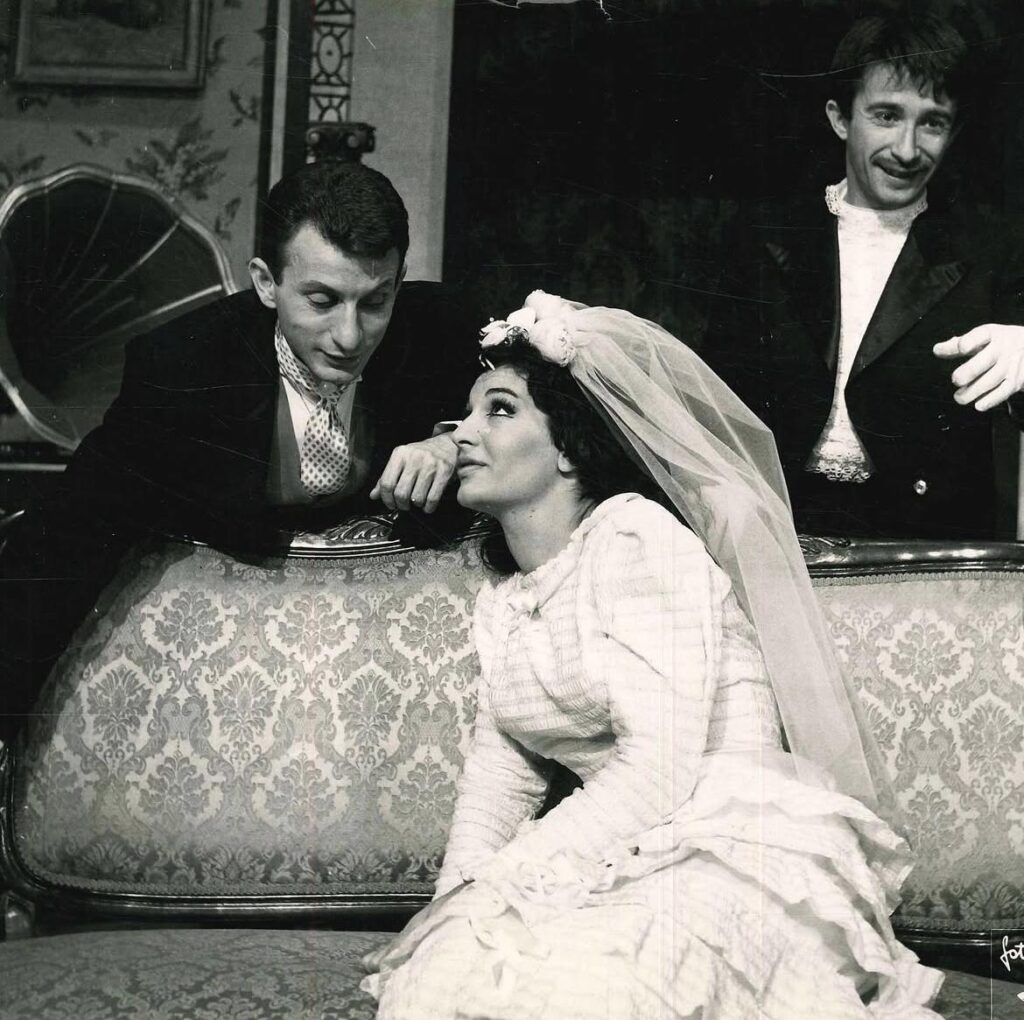
After completing his military service, Dormen realised his long-held dream of establishing his own theatre. With a young and mostly amateur ensemble, Dormen Theatre opened its curtains in Beyoğlu. Despite scepticism from some in the art world, the theatre soon became a school in its own right.
Internship at Dormen Theatre meant learning the very alphabet of theatre. Many prominent figures of Turkish theatre passed through this “school,” including Metin Serezli, Altan Erbulak, Hadi Çaman and Göksel Kortay. Between 1957 and 1972, the theatre experienced its brightest years, establishing a new theatrical language and introducing Turkish audiences to important works from world theatre.
The First Musical: Irma la Douce
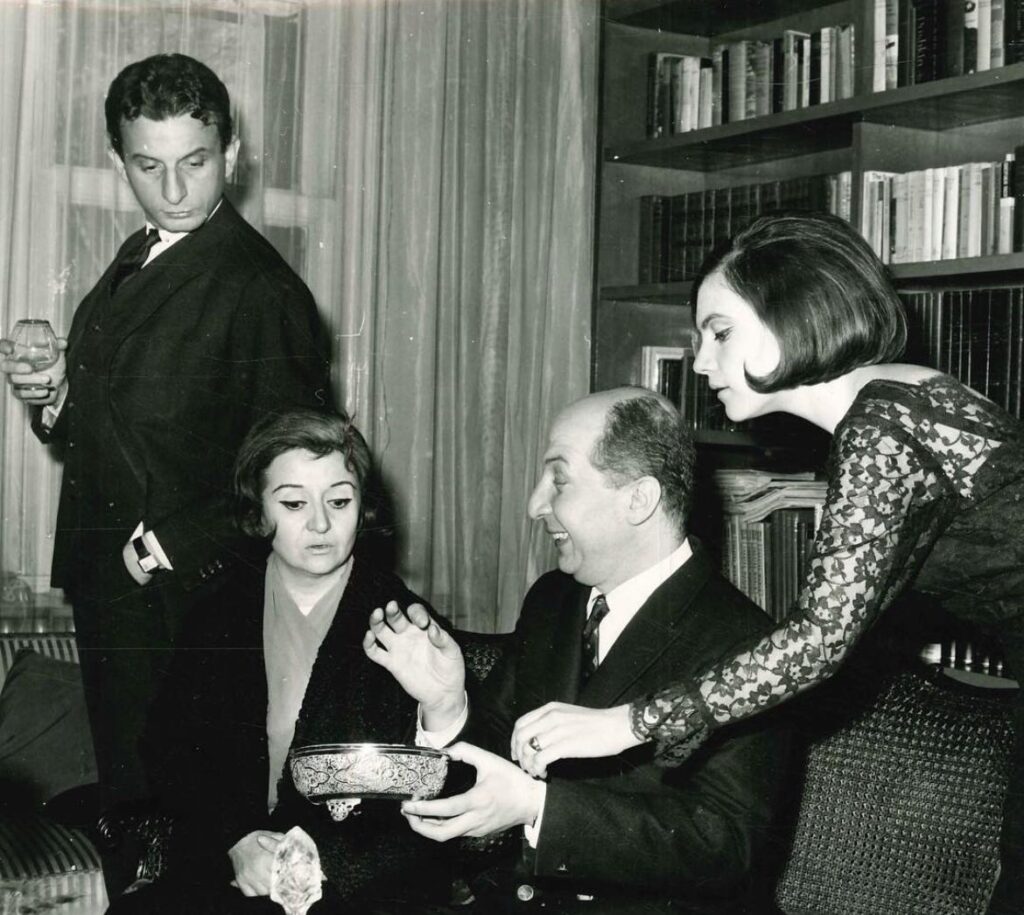
In 1961, Dormen Theatre staged what is considered Türkiye’s first musical, Irma la Douce. The venture was met with scepticism and even ridicule. There were doubts about whether Turkish theatre could sustain a musical tradition at all. Yet Dormen persisted.
After a long and arduous preparation process, the musical premiered to great acclaim. Gülriz Sururi’s performance in the lead role made a lasting impression, and Dormen described the moment as being surrounded by a “wall of applause and congratulations.” Irma la Douce became a turning point, not only in his career but also in the history of Turkish theatre.
A Threshold in Turkish Theatre
For nearly twenty years, Dormen Theatre led one of the most productive periods in Turkish theatre. It introduced innovative repertoire, strengthened the bond between theatre and entertainment, and functioned as a training ground for young talent. Though the theatre eventually closed, its influence remained deeply embedded in Turkish cultural life.
The Journey of a Master: Yaparsın Şekerim
Dormen also ventured into cinema in the mid-1960s, winning awards at the Antalya Golden Orange Film Festival. Yet he always returned to the stage, stating, “My heart always beat for theatre.” Through television programmes and his teaching at Istanbul University State Conservatory, he passed on his knowledge to new generations.
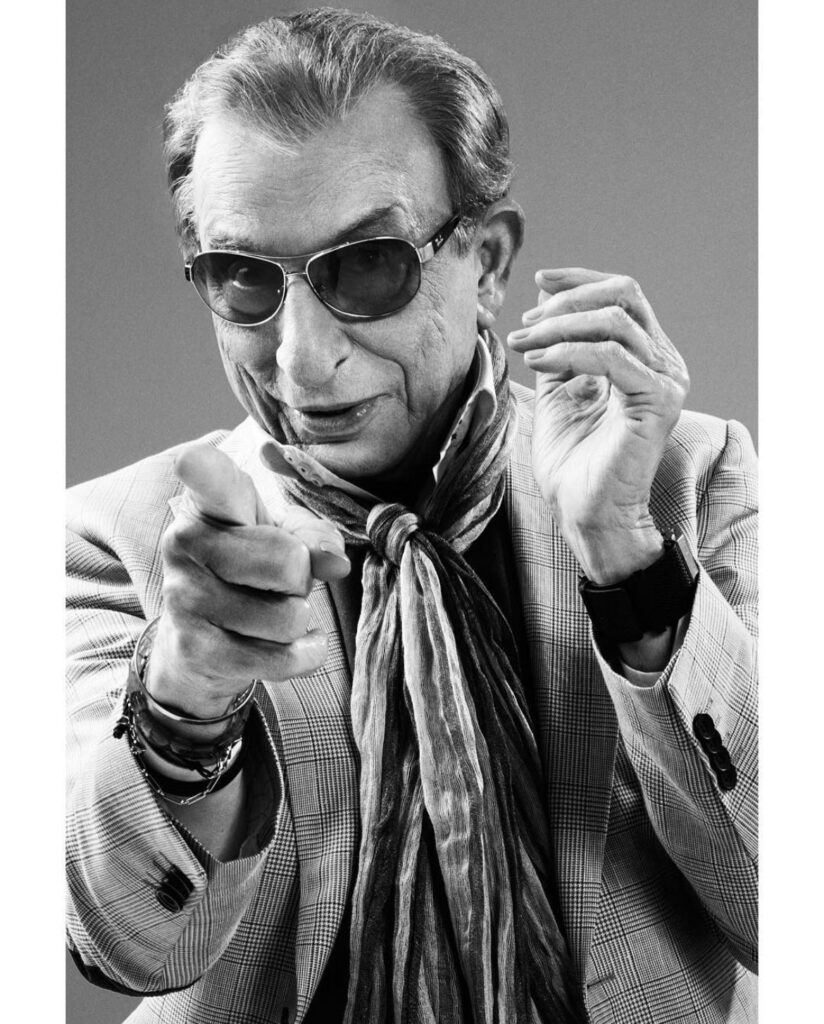
His career was crowned with numerous awards, including the title of State Artist and an honorary doctorate. His legacy was also captured in books and, finally, in the documentary Yaparsın Şekerim, directed by Selçuk Metin and released on Netflix. The film portrayed not only a master’s life but also a tradition, a stage ethic and an unwavering commitment to theatre.
The Enduring Legacy of Haldun Dormen
Today, what leaves the stage is not only a man, but a style, an ethic and a belief in theatre. Haldun Dormen’s legacy is more than applause—it is perseverance, creativity and hope. A life lesson in never letting go.
We bid farewell to Haldun Dormen with the poem he wrote for the closing night of Pierre Pathelin:
Stop, curtain, stop, stop,
We have not finished the play.
With this little song of ours,
Let us tie up the ending.Let us tie up the ending now,
The curtain will fall,
For the play will end.
Go now to your homes,
Go, go, go,
We wish you all happiness…