Gulf countries are placing art at the center of diplomacy and economic transformation in the post-oil era, with museums and mega-projects increasingly entangled in debates around art-washing.
Halil Altındere, in a new work titled “Free Osman Kavala” shared on Instagram, draws attention to the 3,000-day-long imprisonment of civil society and human rights activist Osman Kavala, who was sentenced to aggravated life imprisonment in the Gezi Park trial.
The visual art practice of David Lynch, who passed away last year, extending beyond cinema, is being revisited through works from different periods in an exhibition opening at Pace Gallery Berlin from January 29 to March 22, 2026.
In this selection, we trace the presence of dogs in the history of painting across a wide arc, from the “Cave Canem” mosaic of Ancient Rome to David Hockney’s Stanley and Boodgie.
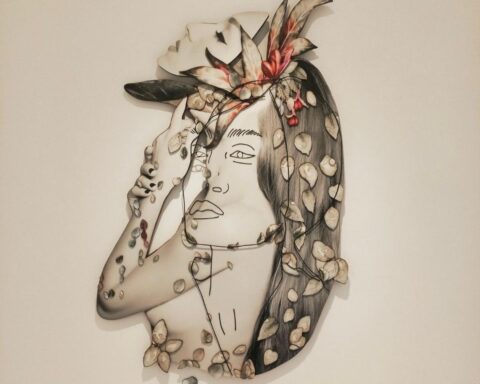
Centered on Sefa Çakır’s solo exhibition I Closed the Door from the Outside , held at Vision Art Platform, we spoke with the artist about his artistic practice, states of withdrawal, and the relationship he establishes with the gaze through the figure.
Leyla Emadi’s new exhibition HEMHAL proposes a field of balance in which opposites are able to coexist.
The Bor Sanat and EXIT Artist-in-Residence Programme will continue in 2026 under the theme Digital Threshold.
We are entering the new year with the intense pace of the exhibition calendar.
The first event of SALT’s 2026 program series, which opens a discussion on archival and research practices in the field of graphic design, will take place on January 15 at SALT Beyoğlu
Inspired by Feelings in Common: Works from the British Council Collection, participants leave the museum with their “bad portraits”!
The Lightness of Silk, the Weight of Stone, bringing together original works by 15 artists from different disciplines, will be on view from 6 December to 31 March at Ceylan Splend’or Uludağ.
If figures such as Grayson Perry, Tracey Emin, and every art school insider speaking in a fake Cockney accent delight in fetishising Martin Parr’s “ordinary” Britons, what does that ultimately reveal?