

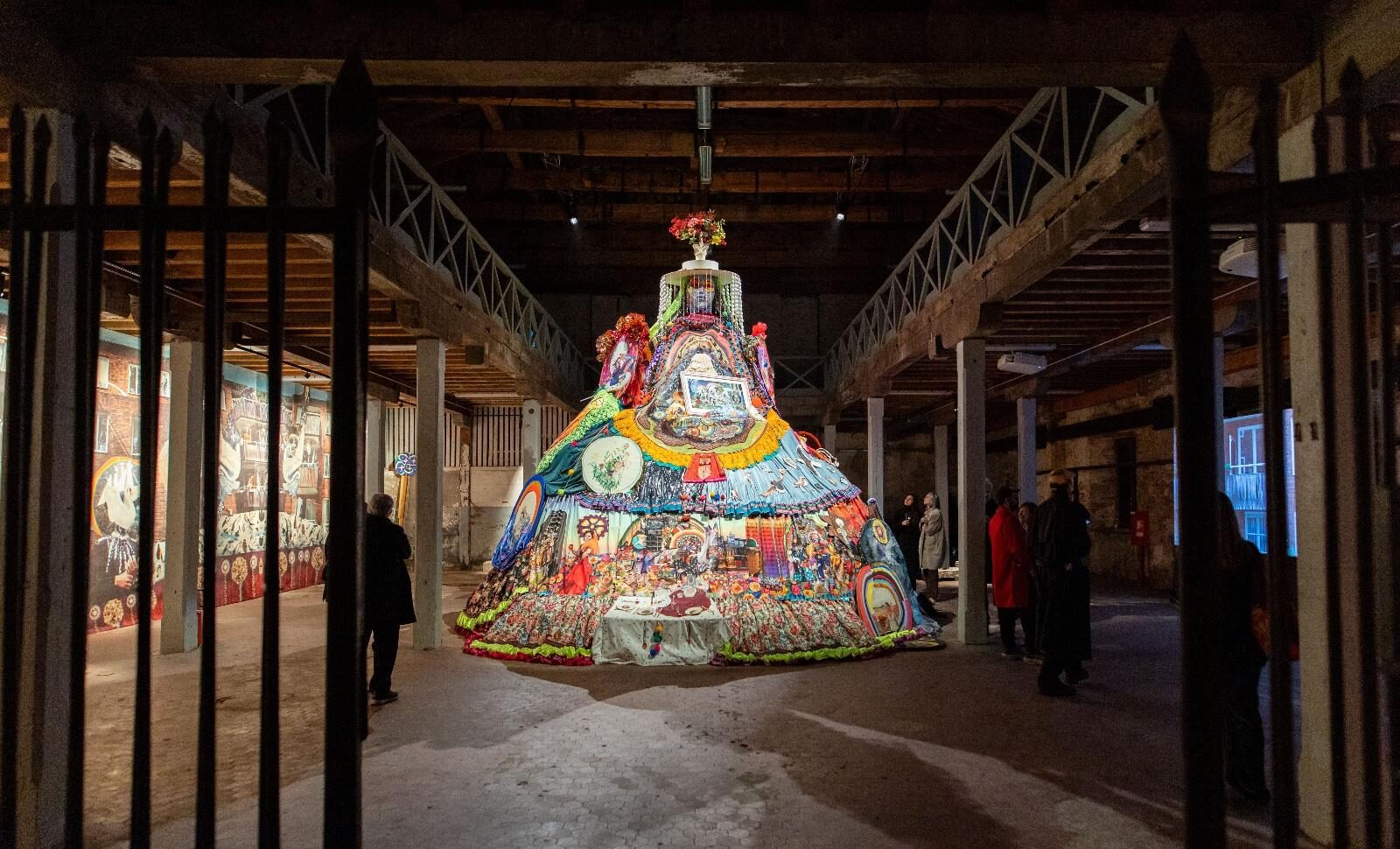
Within the historic fabric of Venice and Milan, a subtle transformation is taking place – one that brings the memory of architecture into dialogue with contemporary artistic production. At the center of this process is Filippo Perissinotto, founder of Art Events, an organization that has spent more than fifteen years transforming historic buildings from preserved monuments into living cultural ecosystems.
For Perissinotto, who has long worked behind the scenes of major international events such as the Venice Biennale and Milan Design Week, managing a location is never simply about opening its doors. It means creating a relationship between the identity of a place and the cultural projects that unfold within it.
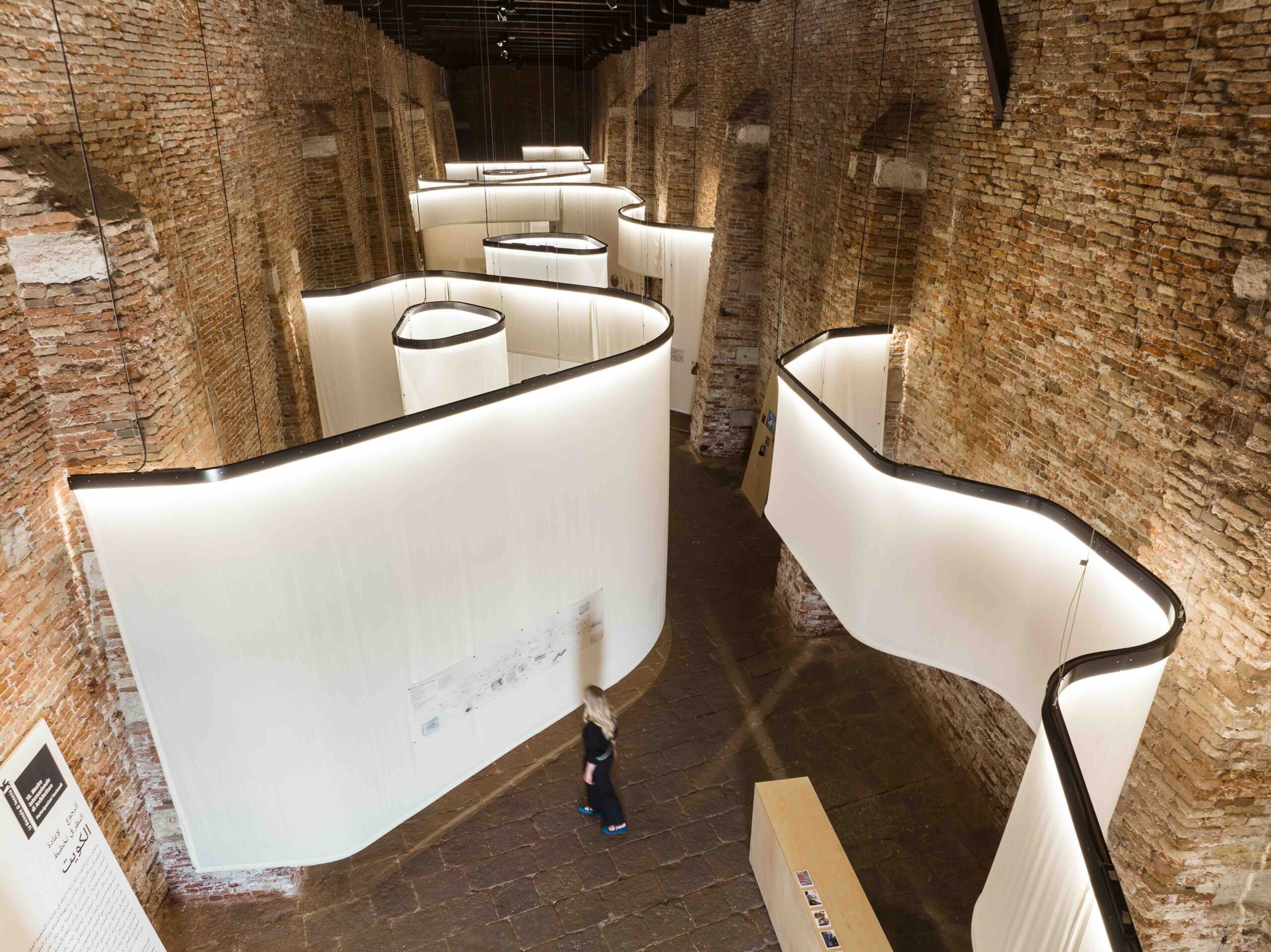
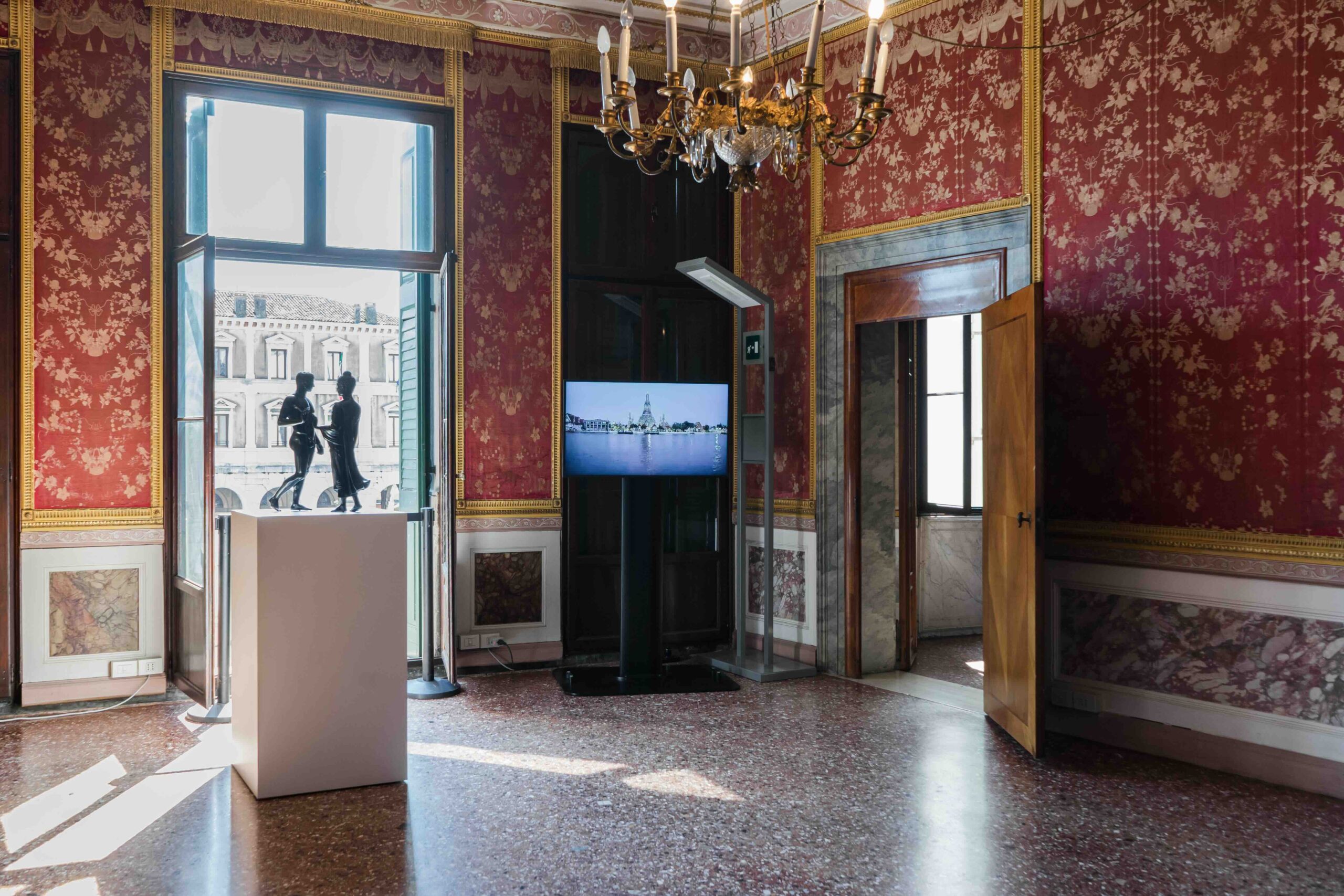
Art Events operates through an extensive network of historic locations across Venice and Milan, from noble palaces and historic residences to deconsecrated churches and former industrial sites. In this model, architecture becomes more than a container for exhibitions: it becomes an active element shaping the narrative of the projects it hosts.
“We never impose projects on spaces from the outside; instead, we allow the space itself to guide us toward the most appropriate interventions,” Perissinotto explains.
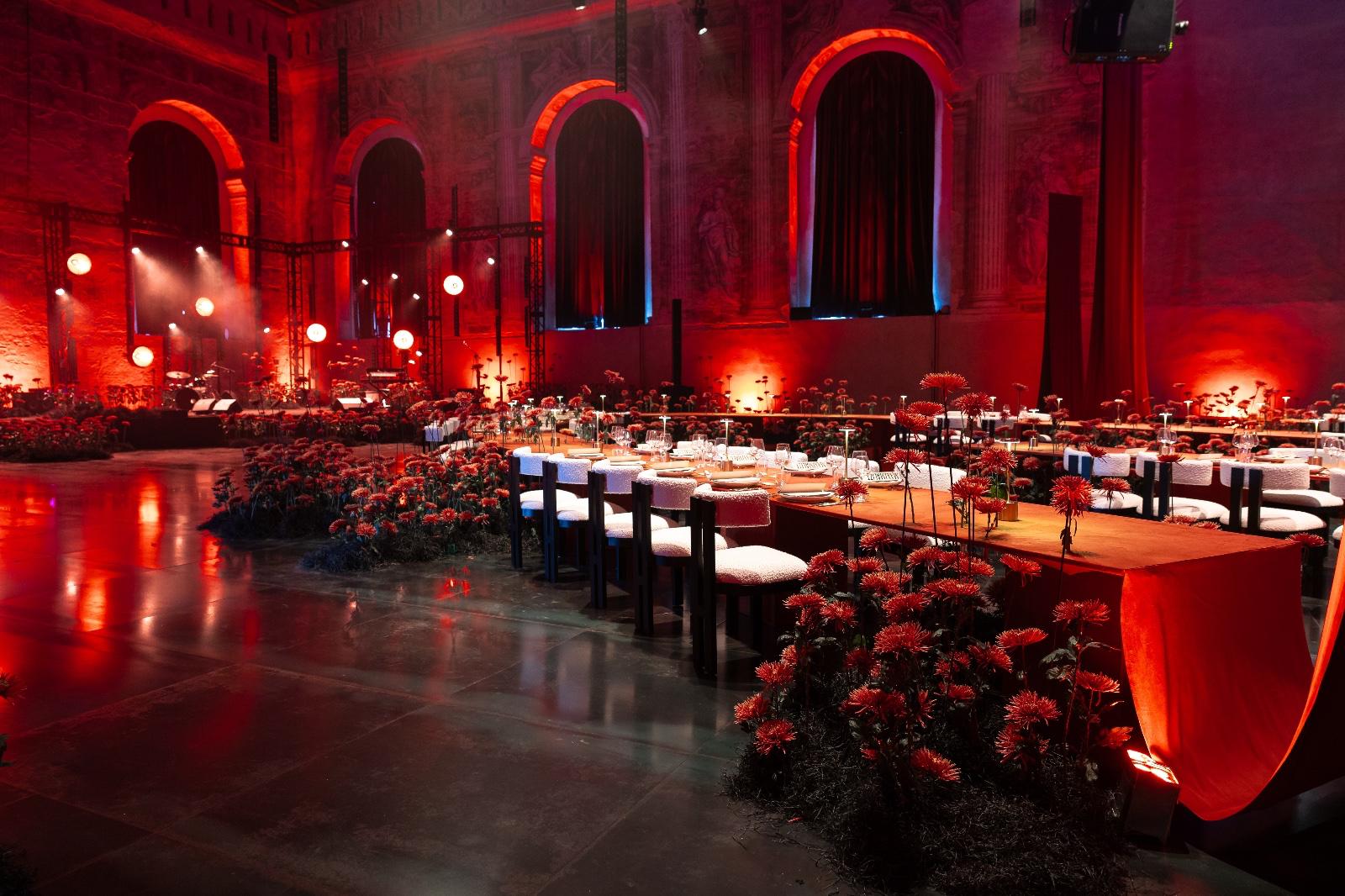
This philosophy forms the foundation of what the organization describes as the “cultural activation” of heritage. Rather than separating property management from artistic production, Art Events treats these two disciplines as complementary forces. Historic buildings are not only preserved but reintegrated into the contemporary cultural landscape through exhibitions, institutional projects and international collaborations.
Over the past two years alone, the team has supported the spatial and infrastructural development of more than one hundred cultural initiatives connected to major global events, including Biennale Arte 2024, Biennale Architettura 2025, and Milan Design Weeks.
Operating between Venice and Milan – two cities that function as global cultural crossroads – Art Events works in an increasingly international environment. Today, more than 80 percent of its collaborations involve partners from abroad, reflecting the global nature of the art and cultural sectors.
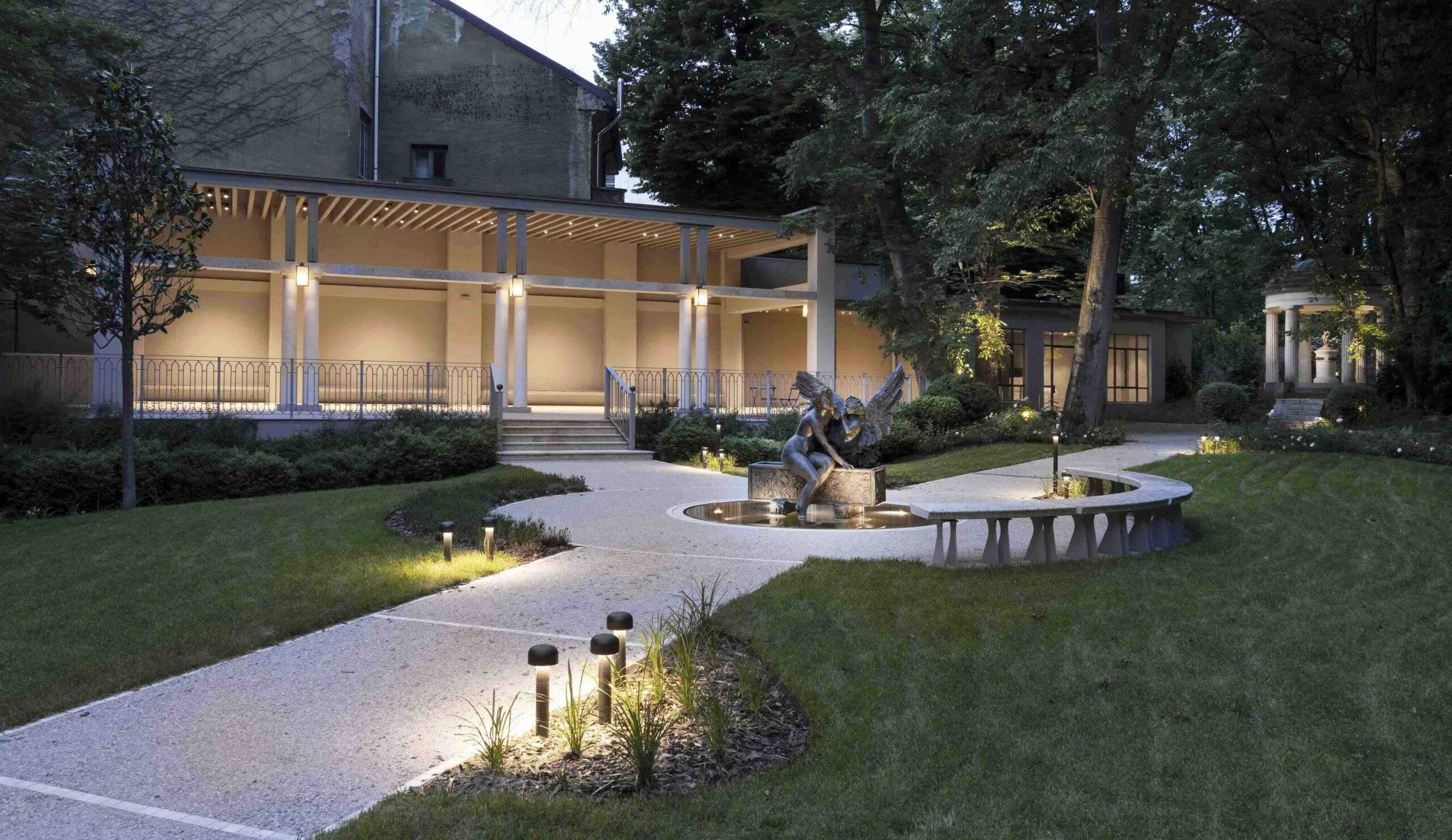
Yet for Perissinotto, heritage is not limited to architecture. The sensitivity he developed working with historic residences and Venetian landscapes has also extended toward nature and agriculture. His project Costadilà Articoltura, dedicated to preserving historic vineyards and producing natural wines, reflects a broader vision in which cultural heritage, landscape, and sustainability form part of the same ecosystem.
Renewed Connections with Türkiye
Looking ahead to the coming year, Art Events is also strengthening its relationship with Türkiye. Perissinotto has previously collaborated with Turkish cultural professionals and institutions and maintains a strong personal connection with Istanbul, a city he considers one of the most dynamic cultural environments between Europe and the Middle East.
“Istanbul is a city to which I feel deeply connected,” he says. “Maintaining active ties with Türkiye – a country with an extraordinary history and a rapidly evolving cultural landscape – represents both a strategic and human value for us. Cultural collaborations are not just events; they are long-term processes that build institutional relationships and generate positive impact for both countries.”
In autumn 2026, following its engagements during Milan Design Week and the Venice Biennale, Art Events is planning a return to Türkiye on the occasion of the 20th edition of Contemporary Istanbul.
For Perissinotto, international art fairs play an essential role in creating these exchanges. “Major international art fairs are unique meeting points,” he notes. “In the field of contemporary art, international and experimental by nature, the exchange of perspectives is particularly natural. We see Contemporary Istanbul as an important opportunity to further strengthen cultural dialogue between Italy and Türkiye.”
Within a cultural landscape where cities increasingly position themselves through art, design, and creativity, initiatives like these demonstrate how historic spaces can become platforms for international dialogue – connecting architectural memory, contemporary culture, and new creative communities.
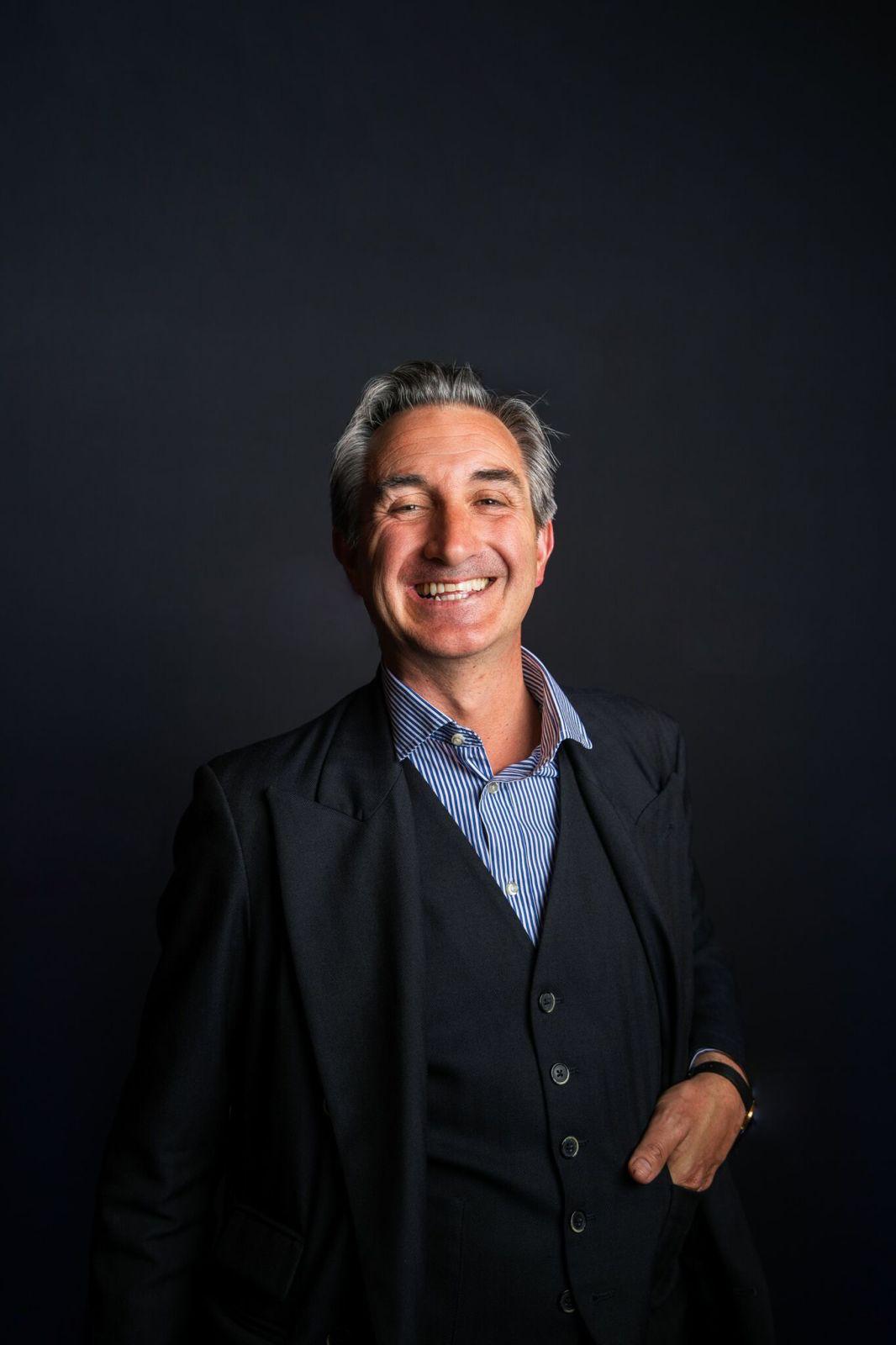
To better understand the vision behind this approach, we met with Passitano, the president of Art Events. We discussed how the “space activation” model, which has transformed hundreds of historic venues in Venice and Milan into active cultural sites, has evolved, how this approach could resonate in a multilayered city like Istanbul, and the potential for establishing new cultural connections with Türkiye.
“Much like people, spaces can adopt different expressions without losing their identity.”
You have managed an extensive network of over 400 locations across Venice and Milan. Looking toward 2026, are you planning to incorporate new and ‘unconventional’ venue typologies into your portfolio? For instance, after your extensive work with industrial heritage sites, are you considering shifting your focus toward spaces with different historical layers, such as the unique architectural heritage found in Türkiye?
Over the years, my team and I have worked with a wide range of spaces: from noble palaces and historic residences to deconsecrated churches and former industrial sites. This experience has taught us that a space is never inherently conventional or unconventional. What makes it so is the way it is activated. Years ago, staging exhibitions or performances in industrial buildings was itself considered unconventional. Today it is part of the cultural landscape. What interests us most is the potential each place holds: much like people, spaces can adopt different expressions without losing their identity. For this reason, we are always interested in engaging with new historical and cultural contexts. Countries such as Türkiye, with their rich architectural stratification, naturally offer stimulating possibilities for future projects.
Given your deep connection to Istanbul and your previous collaborations with institutions, how do you envision Art Events’ space-activation model integrating into Istanbul’s multi-layered historical fabric? What role can your model play in the city’s evolving cultural landscape?
Our work begins with understanding the identity of a place. The aim is never simply to use a venue, but to reveal its latent potential and connect it with meaningful cultural initiatives. Cities such as Istanbul, shaped by centuries of layered histories and cultural exchanges, are particularly receptive to this approach. In such contexts, space activation becomes a way of transforming historic sites into living platforms – places where heritage, contemporary culture and international dialogue can coexist. Our role, ultimately, is to help create sustainable cultural ecosystems in which historic spaces remain active and relevant.
Beyond your role as President of Art Events, you also lead the Cultural Real Estate Studio. How do these two roles intersect within your broader vision for cultural space activation?
The two activities are closely interconnected. Cultural Real Estate Studio focuses on the strategic valorization of historic properties, while Art Events develops the cultural programming that brings these spaces to life through exhibitions, events, and international collaborations. The real challenge lies in balancing the preservation of historic buildings with their contemporary economic sustainability. Through Cultural Real Estate Studio, we combine a deep understanding of local contexts and architectural heritage with business models capable of giving historic properties a viable future. Our experience allows us to develop tailored strategies for each building, respecting its cultural identity while responding to the needs of owners and long-term investors interested in the responsible activation of historic palaces and monuments across Italy.
Regarding your 2026 vision, what kind of strategic depth do you hope to achieve through new partnerships with Turkish art institutions along the Venice–Milan axis? Should we expect Art Events to take on an even more active role as a ‘cultural bridge-builder’ between these two geographies?
International exchange has always been central to our work. Over eighty percent of our collaborations involve international partners, and cities such as Venice and Milan are, by their nature, global cultural crossroads. What interests us most is building long-term relationships between institutions, foundations, and cultural actors. Rather than occasional collaborations, we aim to foster stable networks that allow ideas, projects, and communities to circulate more freely. In this sense, we already see ourselves as a bridge – both culturally and operationally – between cities, institutions, and countries. Strengthening this dialogue with Türkiye, given its extraordinary cultural heritage, is a very natural development.
Looking at the bigger picture, how would you describe the cultural and events landscape in 2026, and what are your expectations for the year ahead?
The cultural landscape of 2026 in Italy is particularly vibrant. Alongside established international events such as the Venice Biennale and Milan Design Week, the Milano-Cortina Winter Olympics have brought an additional global dimension to the year. These events attract a wide spectrum of actors – cultural institutions, brands, artists, and international audiences – demonstrating how different fields increasingly intersect. They are not only sector-specific gatherings, but platforms for broader cultural dialogue. At a time marked by geopolitical tensions, such international moments of encounter become even more valuable. They offer opportunities for exchange, collaboration, and mutual understanding – something that the cultural world has always played an essential role in fostering.