
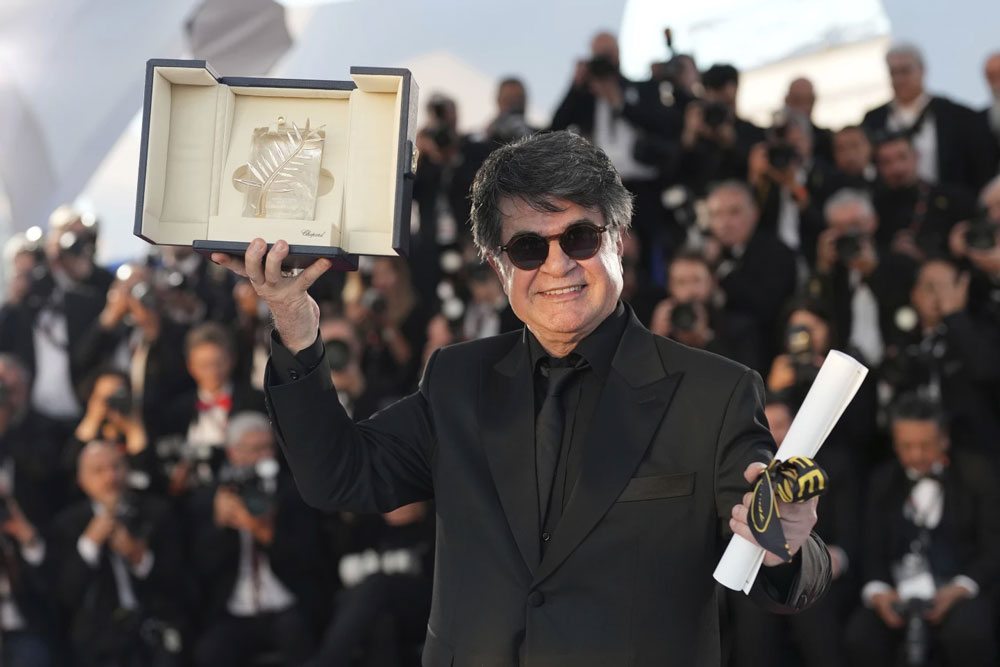
With his latest film It Was Just An Accident, which won the Palme d’Or and placed him at the center of the international awards season, Jafar Panahi is set to appear before the Tehran Revolutionary Court on January 4, 2026, on charges of “propaganda against the regime.”
The Iranian director, a recipient of numerous prestigious international awards including the Palme d’Or, will be tried on January 4, 2026, before Branch 26 of the Tehran Revolutionary Court. Panahi is facing prosecution on charges of “engaging in propaganda activities against the regime.”
According to independent film journalist Mansour Jahani, Panahi’s lawyer, Mostafa Nili, announced on X on December 24 that following an appeal against a previously issued one-year prison sentence, the hearing date was set for January 4, 2026. Nili also stated that the ruling against his client is currently under legal appeal.
Mostafa Nili, the lawyer of Narges Mohammadi, stated in a tweet today: Based on the verdict issued by Branch 29 of the Revolutionary Court, #NargesMohammadi has been sentenced to one more year in prison for propaganda activities against the regime. https://t.co/HHC8vnPjj6
— Narges Mohammadi | نرگس محمدی (@nargesfnd) June 18, 2024
A Secretly Shot Film, Intensifying Pressure
On December 1, 2025, Branch 26 of the Tehran Revolutionary Court tried Jafar Panahi in absentia, sentencing him to one year in prison, along with a two-year travel ban and a prohibition on participating in any political or social organizations. The decision is reported to be directly linked to Panahi’s film Invisible Accident / It Was Just An Accident, which won the Palme d’Or this year at the Cannes Film Festival.
The film was shot clandestinely in Iran without official permission. Reports indicate that during the production process, some crew members were detained or questioned by security forces, and that following the first days of filming, several members of the team were arrested. With its portrayal of female characters who do not comply with mandatory headscarf regulations and its direct focus on state violence, the film presents a stark political framework that renders Iran’s repressive system visible.
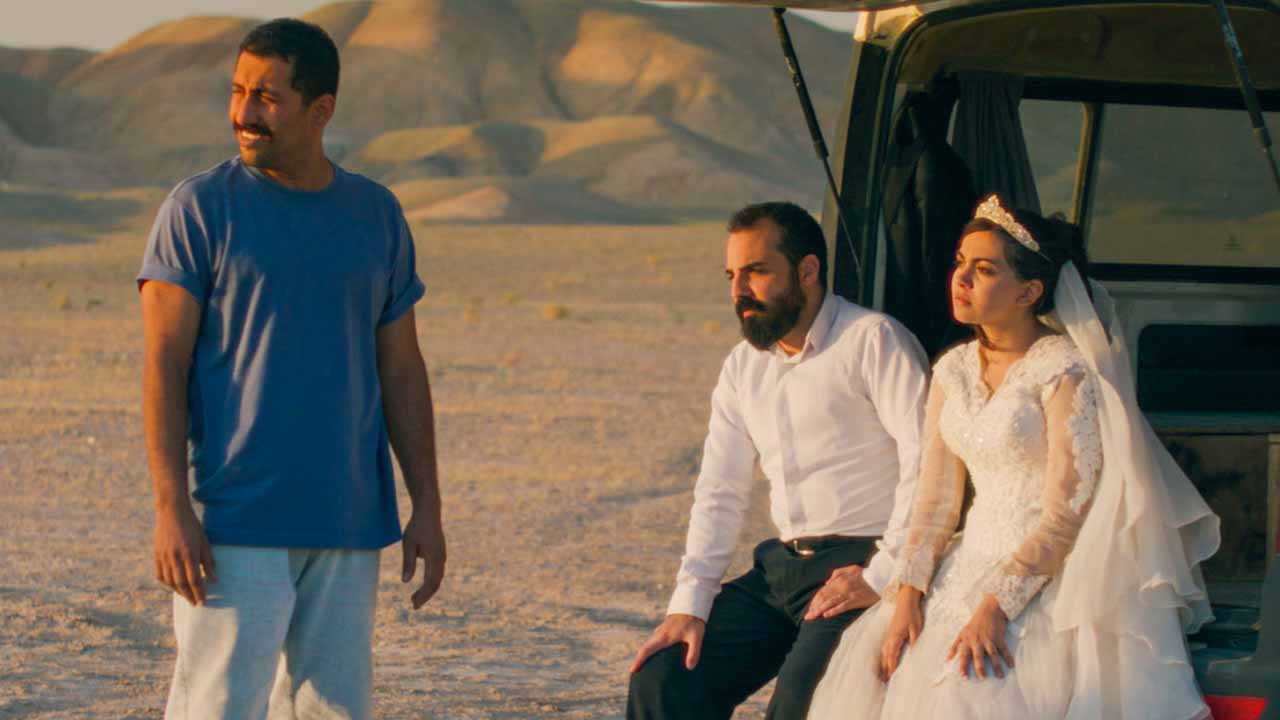
Panahi’s latest work is already being mentioned among the films expected to receive multiple nominations at next year’s Academy Awards. Submitted by France as its candidate for Best International Feature Film, It Was Just An Accident is regarded by critics and awards-season observers as a strong contender.
Despite this, Panahi has stated that he will not seek asylum in any country and plans to return to Iran to serve his sentence once the awards season concludes. This decision has been met with both admiration and concern within the film community.
Jafar Panahi’s career has long been shaped by a tension between bans and resistance. Despite a 20-year ban imposed on him in 2010 that prohibited filmmaking and international travel, the director continued to produce work, turning his home into a film set and his car into a temporary studio, secretly shooting his films and smuggling them out of the country. In 2022, Panahi was arrested and sent to Evin Prison in Tehran, where he was held for seven months before being temporarily released following a hunger strike.