In Orhan Pamuk’s The Museum of Innocence, memory is constructed not through words but through objects that are touched, kept, and taken from their places.



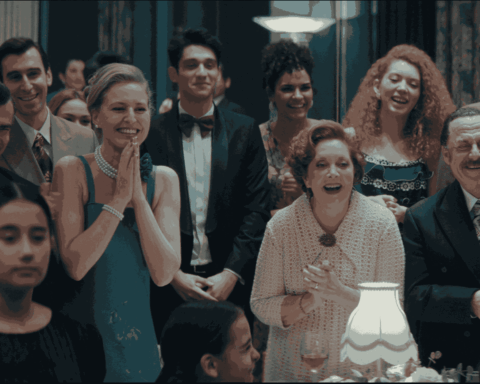
In Orhan Pamuk’s The Museum of Innocence, memory is constructed not through words but through objects that are touched, kept, and taken from their places.
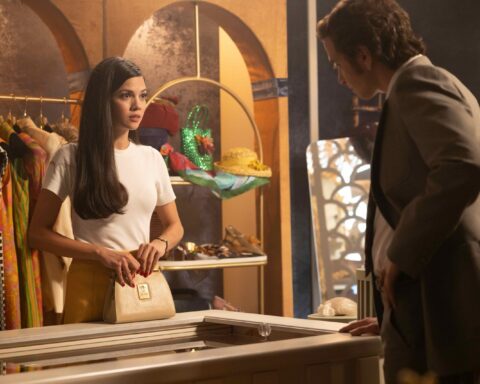
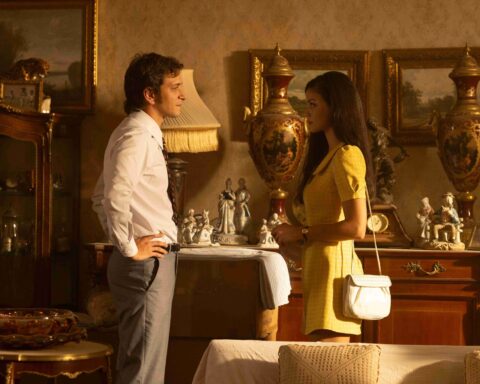
In the new Netflix series The Museum of Innocence, adapted from the novel of the same name by Orhan Pamuk, the camera proposes a distanced gaze that moves closer to the characters’ states of mind rather than constructing a nostalgic period aesthetic.
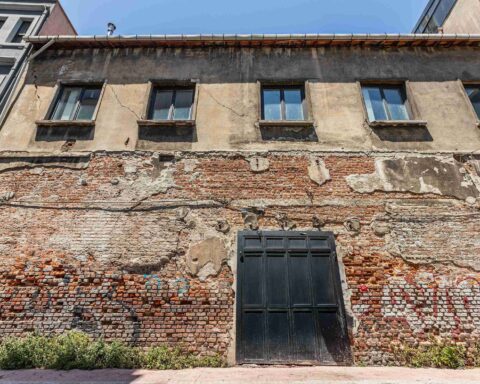
The series treats space not as a backdrop but as a vessel of memory, obsession, and time; objects are not displayed, they accumulate as fragments of meaning.
Curated by Christine Tohmé, the 18th Istanbul Biennial reopens the debate on the biennial format by focusing on production processes and a permanent academic initiative.
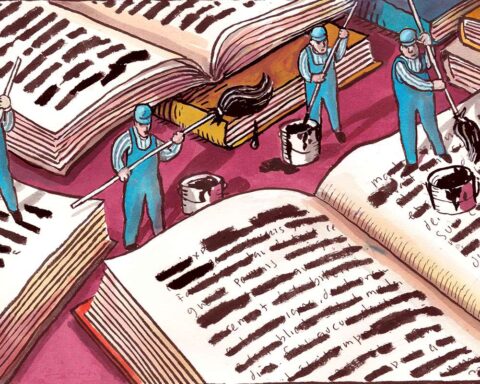
With A Distant Country: The Rebellion of Letters, Selçuk Demirel and Lyliane Adra depict an imaginary country where books are banned, words are considered crimes, and memory is systematically erased, reflecting the invisible mechanisms of censorship and societal silence present in our
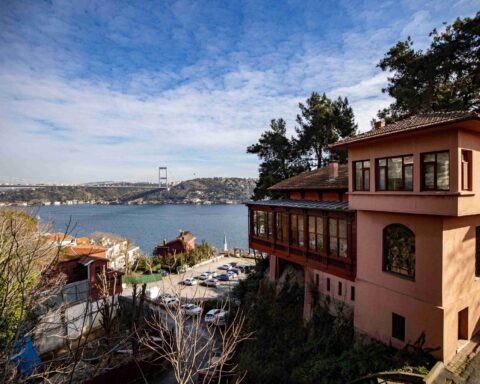
“The Literary Map of Istanbul” is a unique journey that reveals the city's literary memory layer by layer by following in the footsteps of writers. Inspired by literary guides in Paris, Bahriye Çeri brings Istanbul's forgotten streets, ruined mansions, and silent gardens
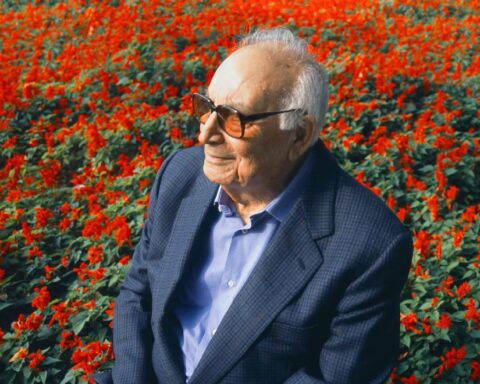
Ten years ago, we lost Yaşar Kemal—a magician who deciphered the language of the earth, a lover who listened to the song of water, the guardian of the “Garden of a Thousand and One Flowers.” Today, the best way to honor his
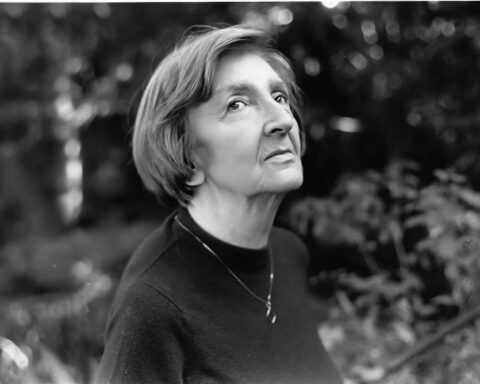
How did an artist who stands against the art market manage to become “The artist of artists”? Tiraje’s story is one of resilience, filled with betrayals, solitude, and a profound resistance to the world of art itself. Dr. Necmi Sönmez’s artistic journey,
Poet and art writer Hatice Utkan Özden invites readers to explore the boundaries of passion, transformation, and language with her new poetry collection, Con Fuoco. Known for her role as the English editor at Artdog Istanbul, Özden merges the worlds of art