

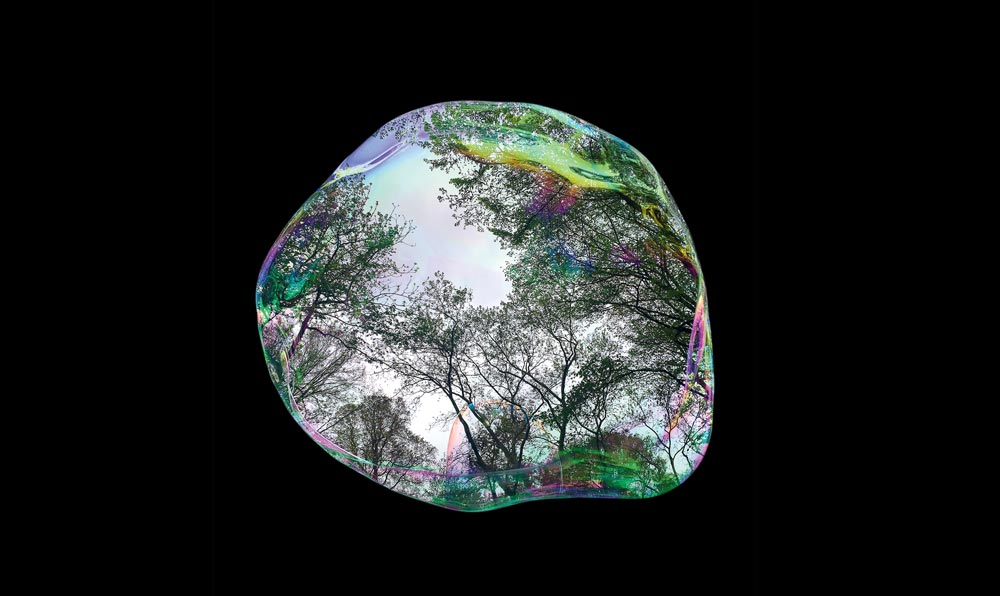
Ani Çelik Arevyan will meet audiences in Ankara with her comprehensive retrospective exhibition Işığın Sesi / The Sound of Light, on view at CerModern from 7 March to 26 April 2026.
Artist Ani Çelik Arevyan, who moves photography beyond a mere tool of documentation and turns it into a space for reflecting on memory, time, and place, presents her extensive retrospective Işığın Sesi / The Sound of Light in Ankara.
The exhibition, on view at CerModern from 7 March to 26 April 2026, brings together the artist’s practice from the late 1980s to the present. Making visible the personal space of reflection that Arevyan constructs through photography, this comprehensive selection offers the opportunity to read together the aesthetic and conceptual directions the artist has developed across different periods.
From Personal Memory to a Visual Atlas of Memory
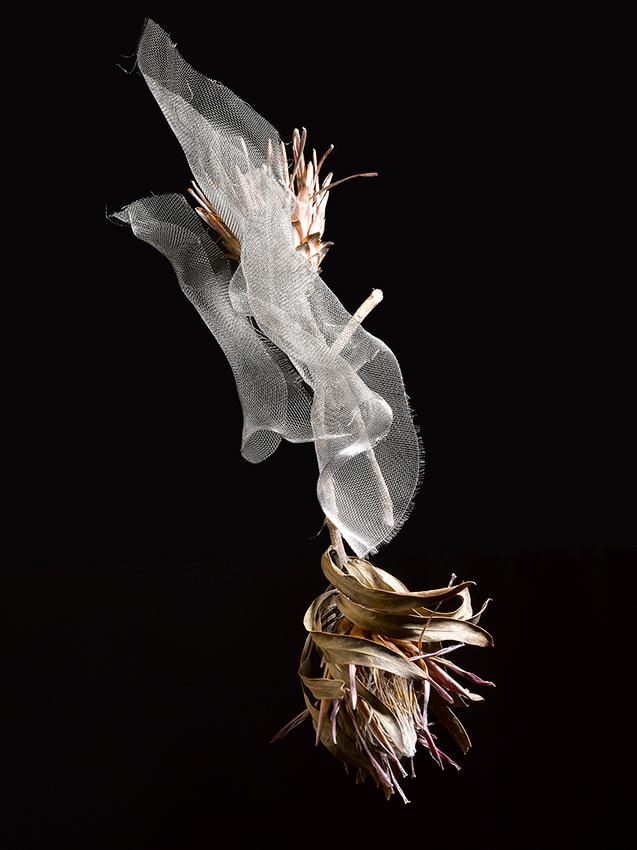
The Sound of Light carries the ordinary details of everyday life into a new layer of meaning through images distilled from the artist’s personal history. In Arevyan’s photographs, cities, surfaces, and everyday objects appear not only as represented elements but also as triggers of the act of remembering.
Drawing on the cities she has lived in and her personal experiences, the artist transforms photography into a field of thought, aiming to make visible the non-linear nature of time and the multilayered memory of place. This approach turns photography into not merely a visual record but an investigative field that traces the delicate relationship between individual memory and the material world.
The exhibition also presents a chronology of the artist’s production shaped through series created at different moments in her career. Works titled Olduğu Gibi, Bir Düşün İçinde, Bu Dünyaya Ait İzler, and Between Life and Death allow viewers to follow the shifting intellectual directions and visual language within Arevyan’s photographic practice.
Light, Memory, and Perception
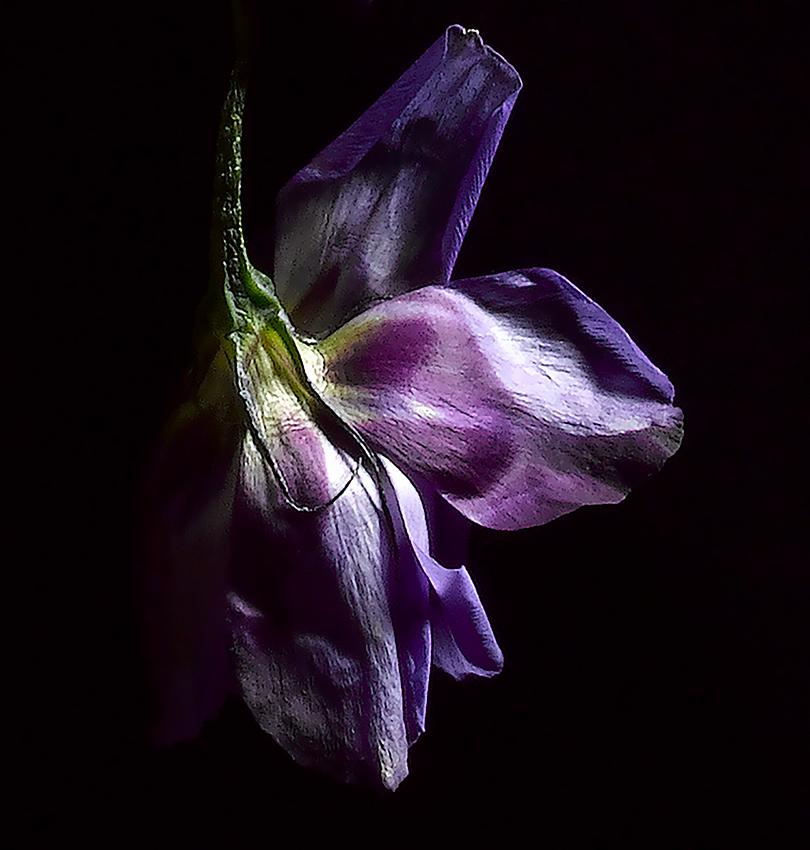
Curated by Erkan Doğanay, The Sound of Light approaches the artist’s photographic production from a holistic perspective. The works presented in the exhibition reveal how light functions not only as a technical element that makes objects visible but also as a means of reflecting on perception and existence.
In Arevyan’s photographs, light often appears not as an explanatory device but as an element that opens fields of ambiguity and association. In this way, the image becomes less a vehicle for delivering a fixed meaning and more an experience that invites viewers to reflect on time, memory, and place.