
The year 2025 revealed how deeply the art world is shaped by politics, markets, institutions, and cultural memory.
From landmark museum openings and record-breaking auctions to shifts in museum leadership, security concerns, and global exhibitions, art was not only a space of creativity but also a reflection of economic pressure, historical responsibility, and institutional change.
Together, these developments show an art world negotiating continuity and transformation at the same time.
Grand Egyptian Museum Opens in Cairo
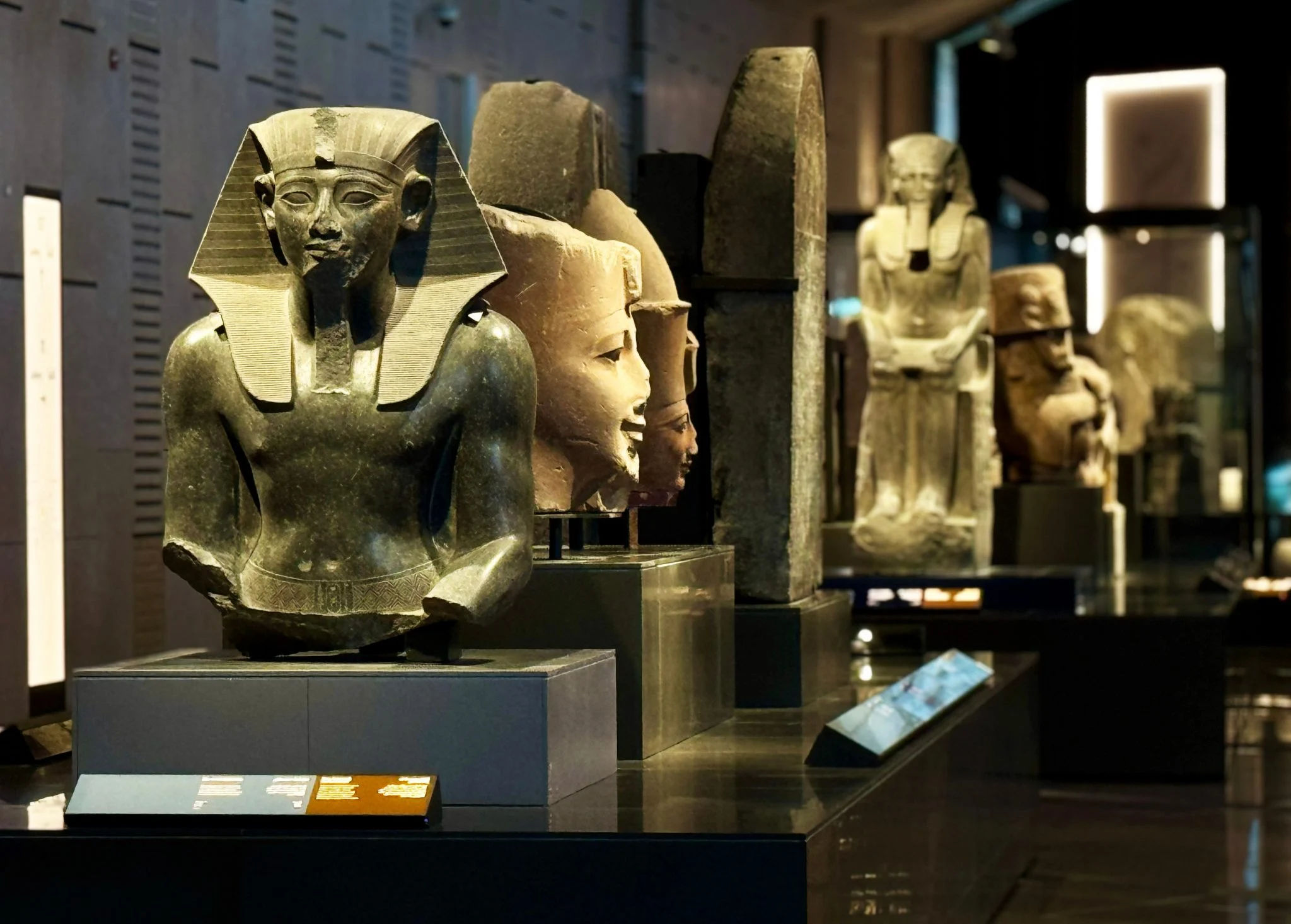
The opening of the Grand Egyptian Museum marks a shift in how history is presented. Located at the edge of the GizaPlateau, the museum serves as a modern gateway betweenancient monuments and the contemporary nation.
The Grand Egyptian Museum stands out for its comprehensive collection and curatorial approach, which present history as a continuous narrative rather than a sequence of separate artifacts. The museum’s opening illustrates a wider trend in museology, moving from simply displaying heritage to reestablishing history within its authentic setting, interpreted through a modern institutional perspective.
Art Market Braces for Trump’s Tariffs
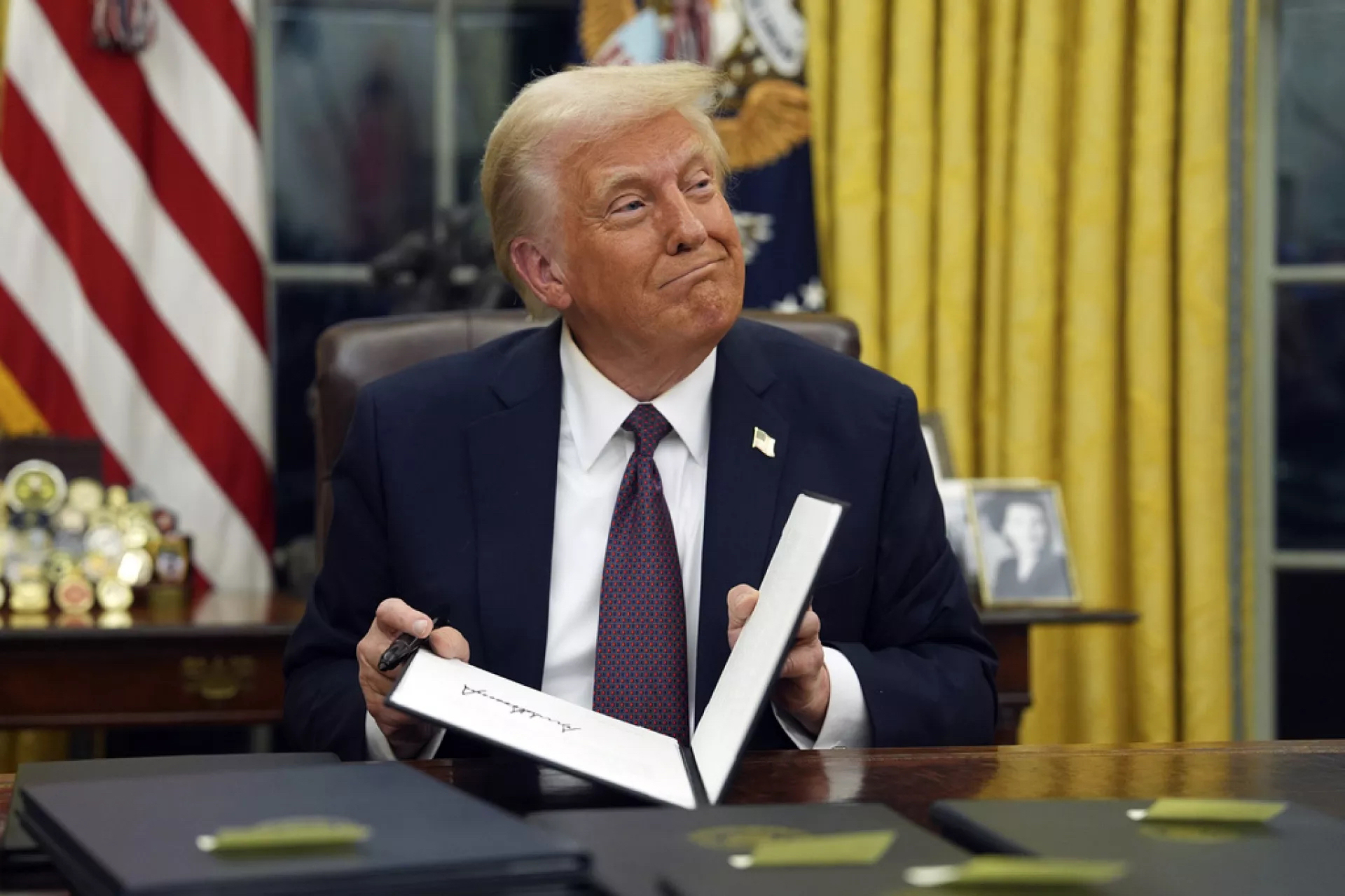
Tariffs introduced during Donald Trump’s presidency arestarting to affect the international art market, changing how artworks move in and out of the United States. As new dutieson industrial materials take hold, shipping and insurance costsare going up, customs rules are getting stricter, and bringing art in temporarily for fairs or short exhibitions is becoming more complicated. What used to be simple logistics is now a source of difficulty, directly affecting where and how art can travel.
Art market organizations are already making changes. According to a Financial Times report on art and auctions, representatives at Christie’s say that trade policies are now part of their decisions about consigning and scheduling works that cross U.S. borders. The Art Dealers Association of Americahas also warned that smaller and mid-sized galleries will likely be affected first, as higher costs and more paperwork make it harder to join international fairs. The main point is clear: economic policy is once again shaping the art market and changing how art is traded around the world.
New Records for Female Artists
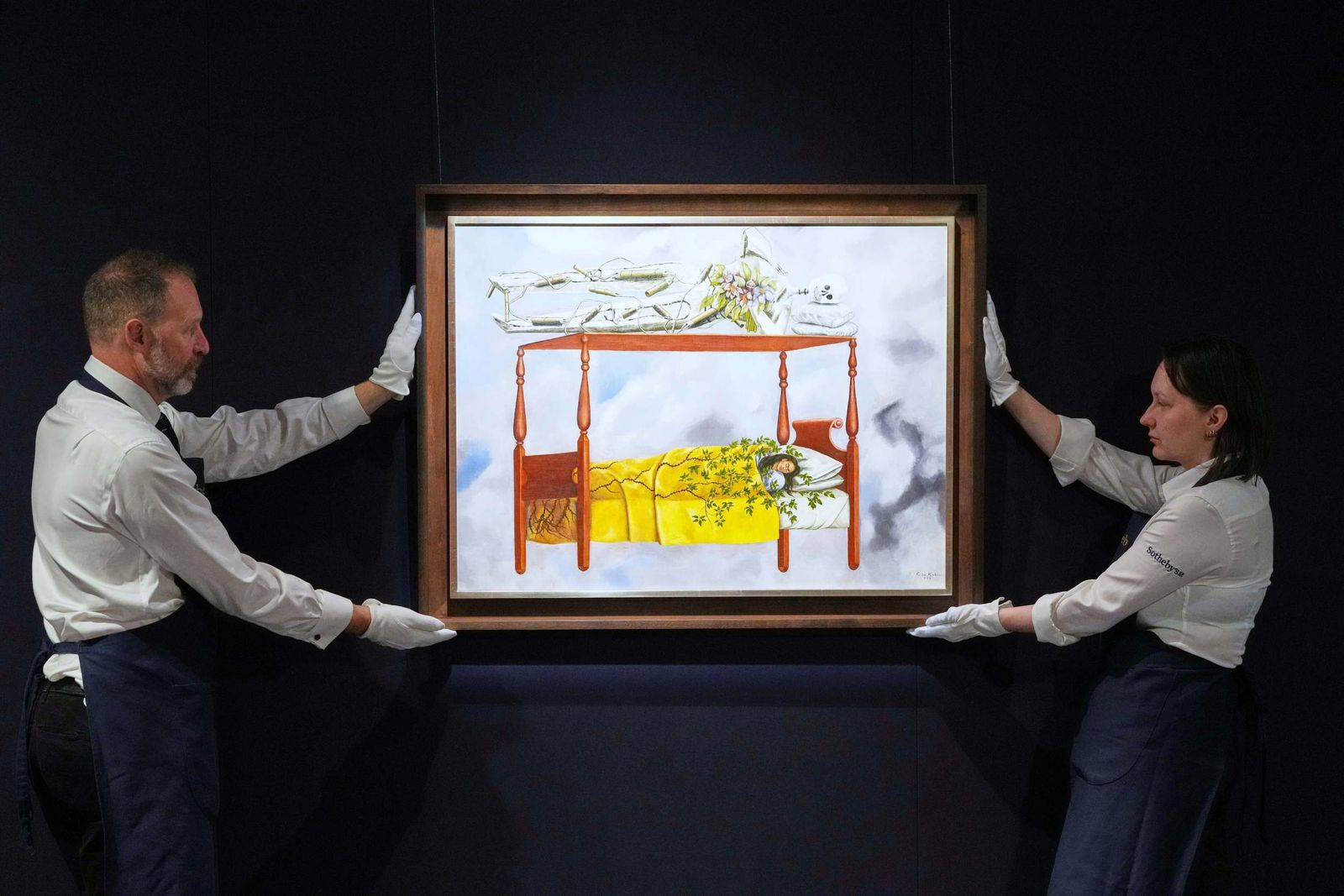
Frida Kahlo’s 1940 self-portrait, El sueño (La cama), sold for about $54.7 million at Sotheby’s New York, setting a new auction record for a woman artist. This sale broke the previous record from 2014, when Georgia O’Keeffe’s Jimson Weed/White Flower No. 1 sold for about $44.4 million. It also surpassed Kahlo’s earlier record of $34.9 million for Diego y yo in 2021, which had already established her as a leading figure in Latin American art auctions. For comparison, top-selling works by male artists have often sold for over $100 million at auction and make up a larger share of the market. Since 2010, women’s market share in the art world has increased by 15%, indicating a shift toward greater gender balance in high-end art sales.
The auction was also crucial for Marlene Dumas, whose painting Miss January sold for about $13.6 million, her highest price yet. This is especially notable because, just a few decades ago, works by well-known women artists rarely sold for more than six figures at auction. This shows that the art market is increasingly valuing top women artists.
These results are more than just sales records. They show that women artists, who were often overlooked in the past, are now receiving greater cultural and financial recognition. This change suggests that the gender gap in high-end art collecting is narrowing, as auction prices for women artists are catching up with those of men worldwide. According to the Art Institute of Chicago, collectors who value diversity and representation are influencing change in the art world, as seen in the museum’s recent acquisition of over 1,000 works this year that expand its collection across different cultures, artistic movements, and mediums. Support from both institutions and private collectors is essential forraising the profile and value of women’s art worldwide.
Christophe Cherix Takes MoMA’s Reigns from Glenn Lowry
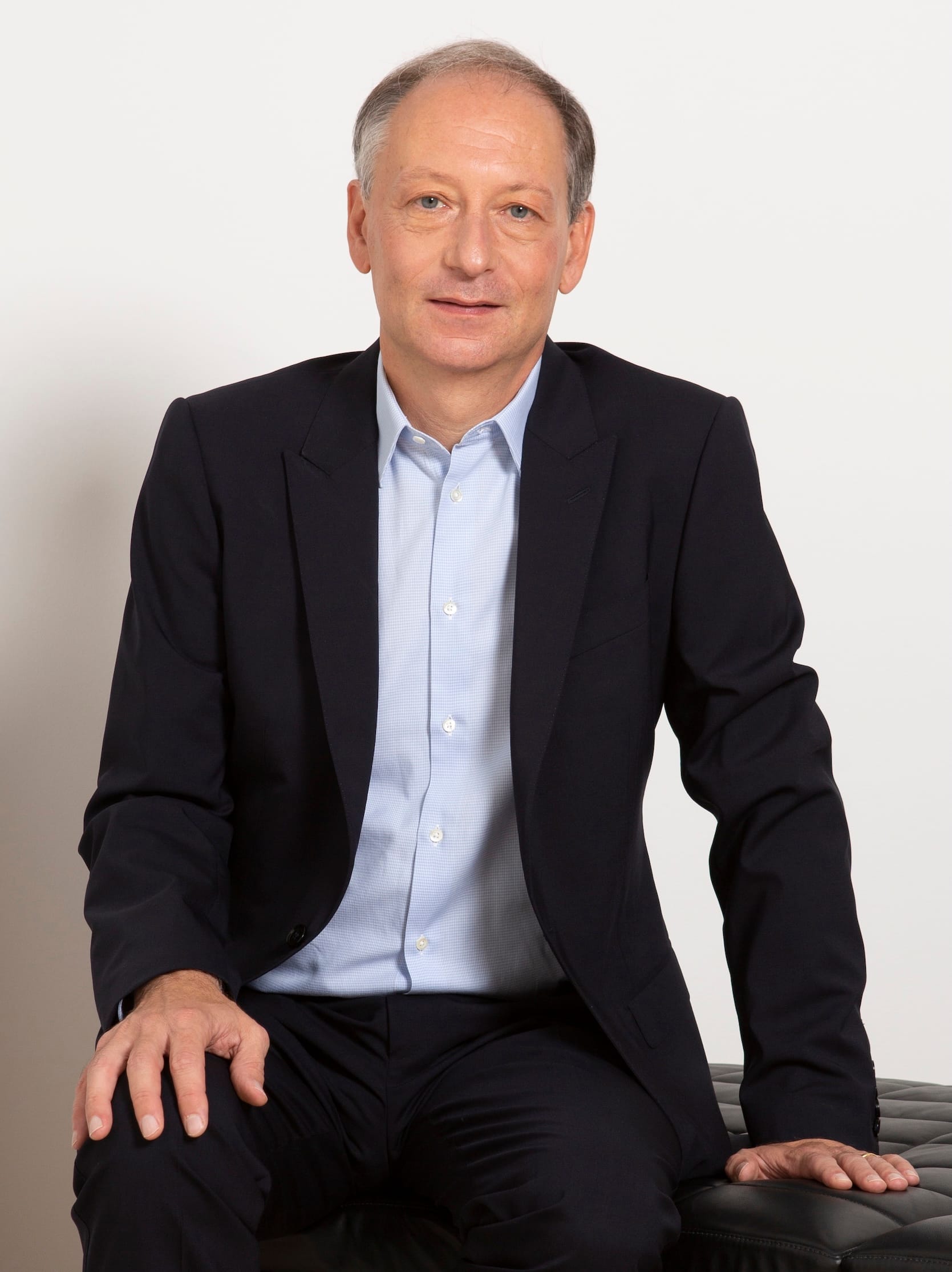
Christophe Cherix has been appointed director of the Museum of Modern Art, succeeding Glenn Lowry. This transition represents a generational shift at one of the world’s leading modern art institutions. As former head of MoMA’s prints and drawings department, Cherix offers a curatorial approach defined by close observation and conceptual restraint. These qualities are increasingly important as museums balance institutional authority with public expectations.
$236.4 M. Klimt Painting Resets Price for Work of Modern Art Sold at Auction
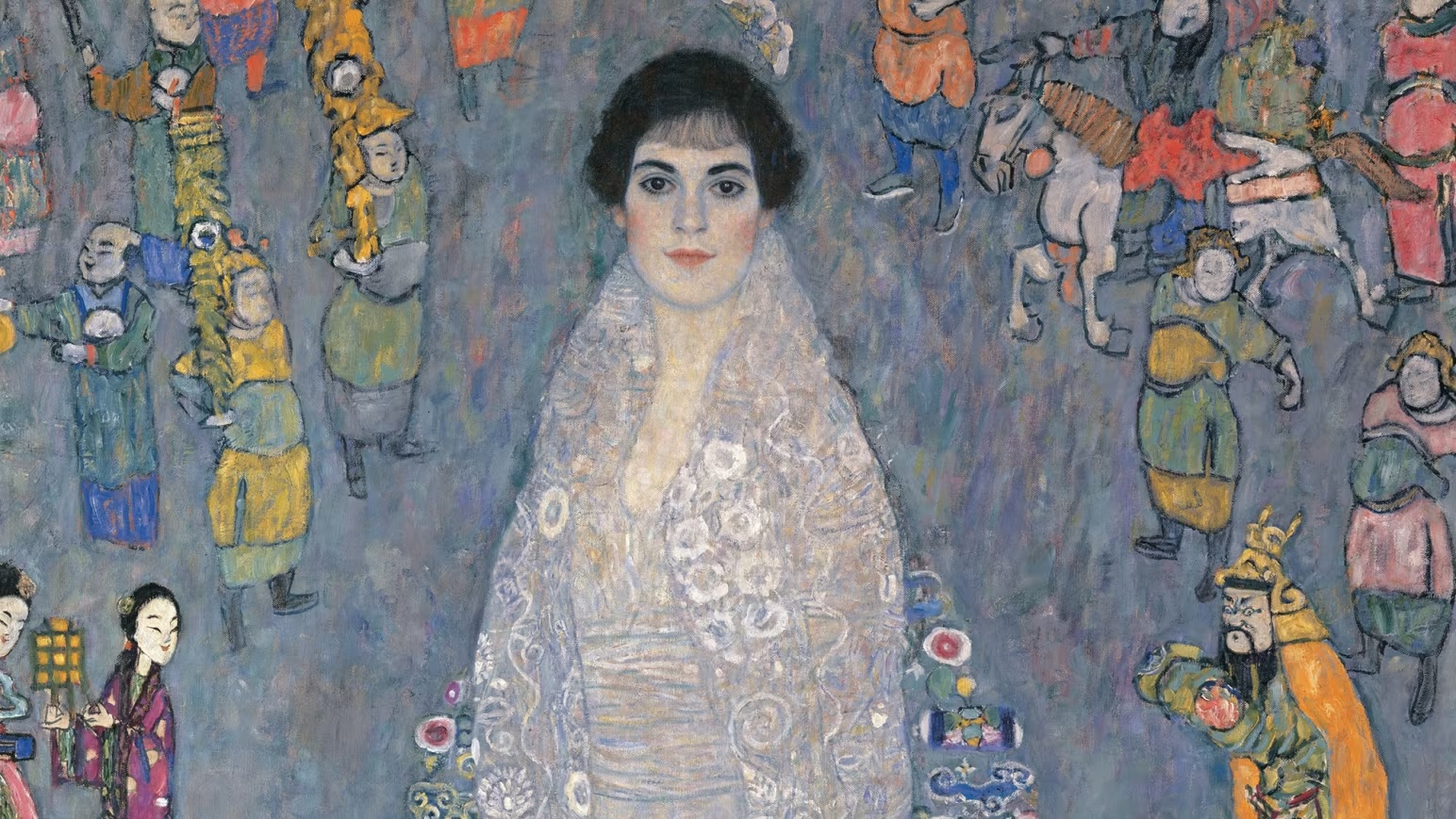
A Gustav Klimt painting sold for $236.4 million, setting a new auction record for a work of modern art. This result positions Klimt at the forefront of the market and raises expectations for the value of modernism compared to Old Masters and post war vs contemporary art. The sale demonstrates strong demand for Klimt and renewed confidence in early twentieth-century modernism as a category capable of sustaining high valuations.
As collectors seek works with clear art historical significance, modern masters like Klimt are becoming anchors in a global market. The $236.4 million sale not only sets a record but also redefines modern art as a category capable of achieving the highest financial and symbolic value at auction.
French Crown Jewels Stolen from the Louvre Museum in Paris
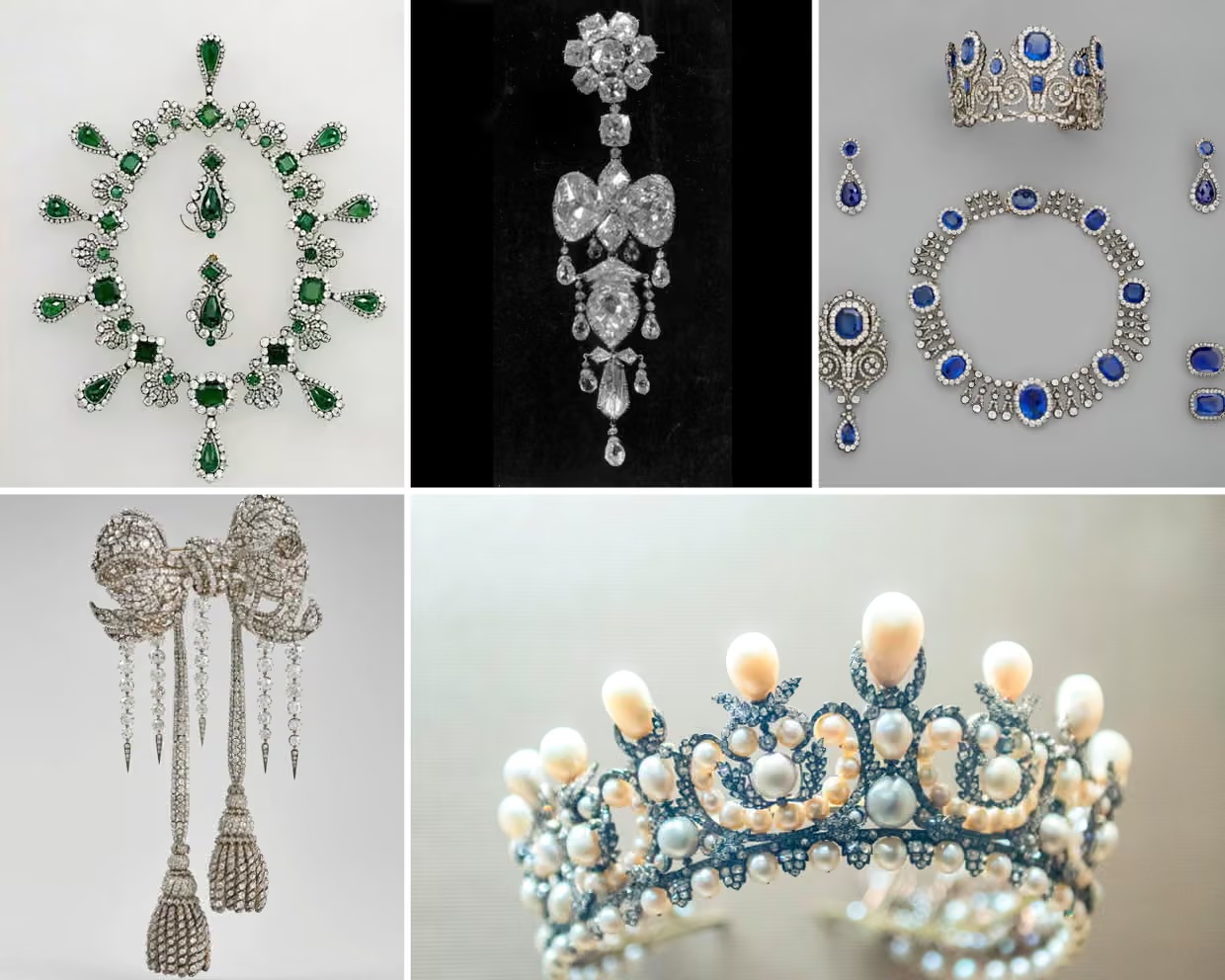
In October 2025, a group of thieves stole several French Crown Jewels from the Galerie d’Apollon at the Louvre Museum. The theft happened quickly during public hours and lasted just a few minutes. The suspects took jewels from their cases, left the building, changed their appearance nearby, and escaped before the museum realized what had happened.
French authorities said the theft prompted a swift criminal investigation by Paris prosecutors and police who handle art crimes. They reviewed surveillance footage from the museum and soon found which entrances the thieves used. Investigators said the theft was carefully planned, with thesuspects knowing the gallery layout, security routines, andhow quickly staff would respond.
The case is still open, and authorities are tracking the missing jewels and monitoring for possible resale or dismantling, a common risk in major art thefts. After the theft, the Louvre reviewed its security, but investigators are mainly focused on how the thieves got in, how they escaped, and where the stolen jewels might turn up.
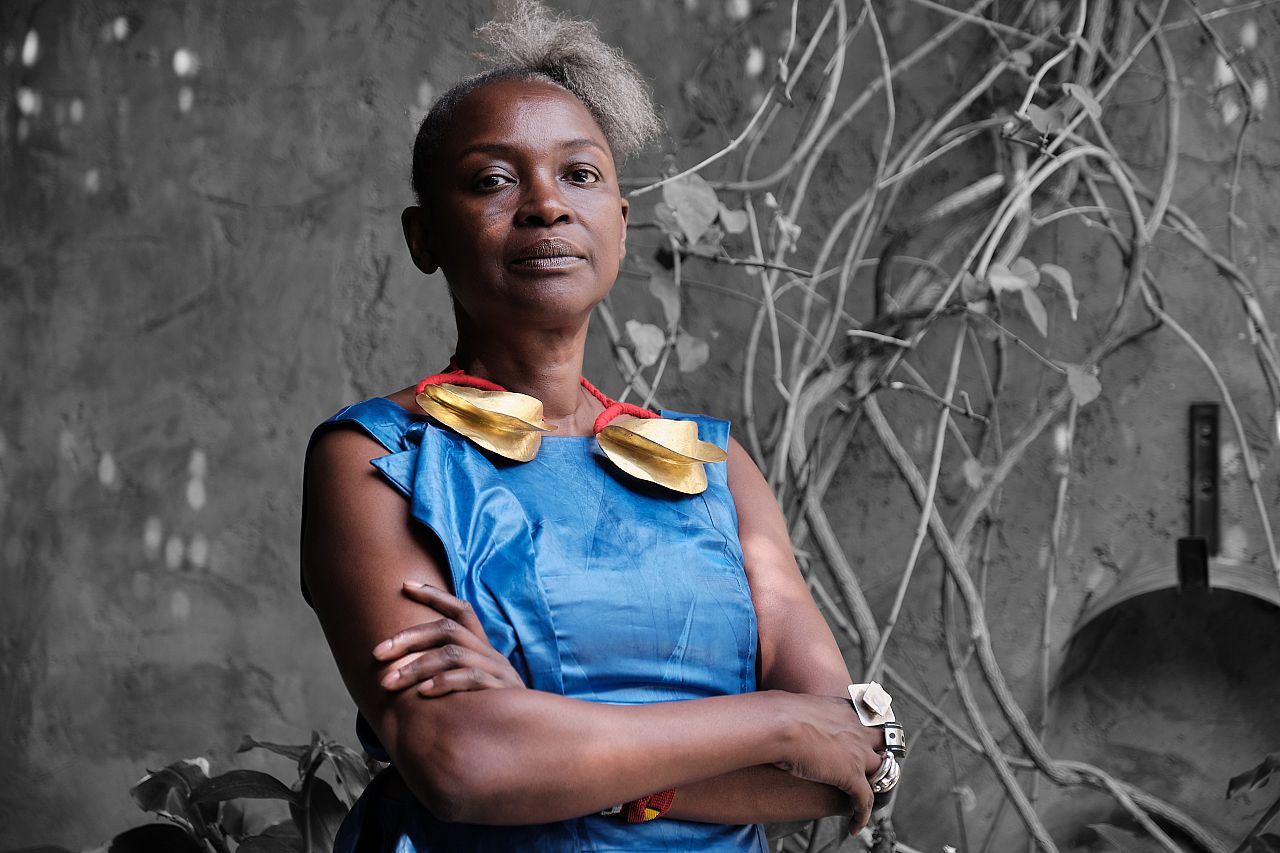
Venice Biennale 2026
The Venice Biennale 2026 is the 61st International Art Exhibition, scheduled to take place from May to November 2026 across the Giardini, Arsenale, and various venues throughout Venice. The main exhibition was conceived by Koyo Kouoh, who was appointed artistic director before her death in 2025. Following her passing, the Biennale confirmed that the exhibition would be realized according to the curatorial framework she had already established, with her team overseeing its execution.
Kouoh’s exhibition proposal shaped the overall structure and selection criteria of the Biennale. Rather than organizing the show around a single overarching slogan, her approach emphasized continuity, tonal variation, and sustained artistic practices. The main exhibition includes artists working across installation, performance, sound, film, and material-basedmedia, with a strong focus on practices developed over time rather than newly commissioned spectacle-driven works.
Alongside the central exhibition, national pavilions remain a core component of the Biennale. By early announcements, several countries confirmed their representatives. Austriaselected performance artist Florentina Holzinger. Germany appointed artists Henrike Naumann and Sung Tieu. TheUnited Kingdom named Lubaina Himid as its pavilion artist. Other countries continued to announce participants throughout 2025 and 2026.
In practical terms, Venice Biennale 2026 differs from recent editions not by a dramatic change in format, but by how it was produced. What stands out is not a single dominant artwork or controversy, but the way the Biennale chose continuity over reinvention in both curatorial leadership and exhibition structure.

Bowies Creative World Unveiled at V&A with a New Archive
What ultimately distinguishes David Bowie is not thefrequency of reinvention, but the logic behind it. Bowietreated creativity as a condition that had to be activelyprotected from comfort. He believed that once an artist beganto feel secure in their own language, the work riskedbecoming inert. For this reason, uncertainty was not something to be overcome, but something to be cultivated andsustained.
This attitude shaped Bowie’s working methods acrossdecades. Rather than trusting intuition as a stable guide, he viewed it with suspicion once it became familiar. Repetition, even when successful, signaled danger. Techniques such as fragmenting and reordering language were not stylisticflourishes, but practical mechanisms designed to interruptthought before it settled into habit. Bowie’s processconsistently aimed to dislodge meaning, forcing it to emergeindirectly rather than fully formed.
Persona functioned within the same framework. Figures likeZiggy Stardust or the Thin White Duke were not expressionsof an authentic inner self, but temporary structures throughwhich Bowie could examine identity under pressure. Gender, desire, control, and alienation were not illustrated; they weretested. Once a persona became legible and repeatable, it nolonger served its purpose. Abandonment, in this sense, was not failure but discipline.
Equally central to Bowie’s creative world was his refusal of closure. He resisted the idea of a coherent artistic arc or a stable legacy, approaching each project as provisional anddisposable. Even late works avoided resolution, favoringopenness over conclusion. Bowie’s career does not read as a linear progression, but as a series of deliberate interruptions, each one preventing the previous language from solidifying into doctrine.
Taken together, the events of 2025 suggest an art world increasingly defined by structure rather than spectacle.
Museums reconsidered how history is framed, markets responded directly to political decisions, and long-standing inequalities began to shift, if unevenly. Rather than pointing toward a single dominant trend, 2025 highlighted art’s role as a complex system such as ohe shaped by power, policy, memory, and sustained artistic practice setting the conditions for how culture will be produced and valued in the years ahead.