
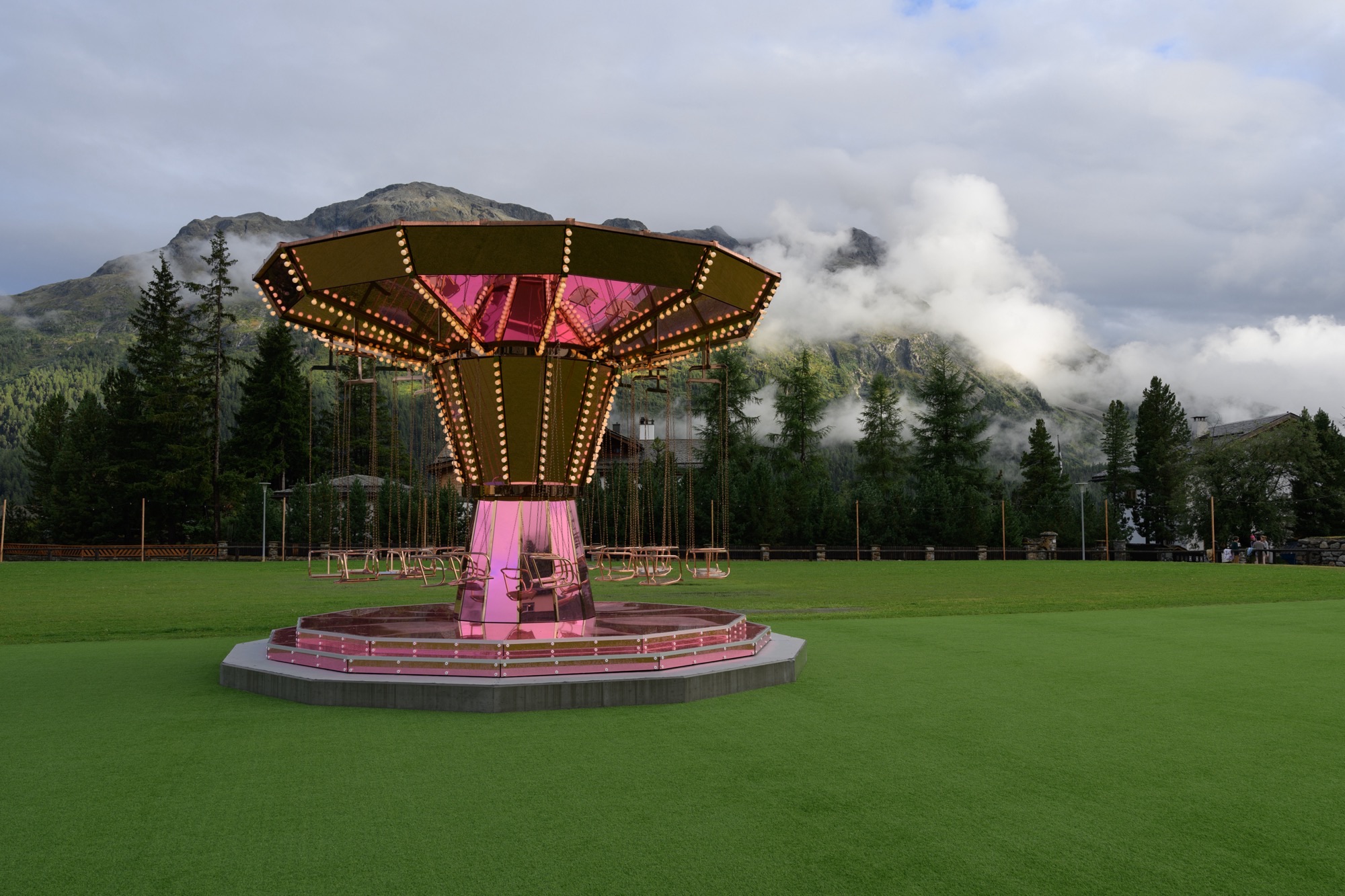
Creating bridges, connecting people, and encouraging intercultural dialogue are at the heart of the St. Moritz Art Film Festival. What began as a platform for artistic exchange has grown into a vibrant community of curious people — bringing together artists, filmmakers, thinkers, and audiences from different backgrounds and parts of the world.
We spoke with Diana Segantini, Managing Director of St. Moritz Art Film Festival, about the cultural landscape of the Engadin, the role of SMAFF in shaping and reflecting it, and the importance of creating spaces where people can meet, exchange ideas, collaborate, and create together.
The fifth edition of St. Moritz Art Film Festival has just come to an end under the theme “If Music”. How would you describe this year’s edition, and what would you say is at the heart of SMAFF?
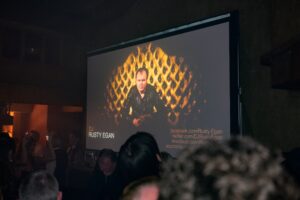
Diana Segantini: We have just concluded the fifth edition of St. Moritz Art Film Festival under the theme “If Music”, and it was an extraordinary celebration of film, art and music. With DJ RustyEgan from the Blitz Club, music and dancing became an integral part of the experience, creating an energy that extended from the dance floor to the screen.
At its core, the festival aims to be a platform for a growing community of curious people: local professionals, artists, collectors, members of the press, emerging and established artists, and many others. We want to bring people together around a common theme and create a shared space for exchange.
Having two different locations this year was particularly special. The legendary private Dracula Ghostrider’s Club offered a very unique setting, while Cinema Scala brought its own special character to the festival.
We will already begin working on the next edition. The theme for next year will be “Europe!” The exclamation mark is important because, without it, Europe can feel rather dull. We are curious to see what St. Moritz and Switzerland will bring to this theme.
To remain connected with our audience throughout the year, we will continue to organise events both in St. Moritz and elsewhere. The programme is not finalised yet, but we will once again collaborate with Engadin Art Talks at the end of January in Zuoz, where we will present the winning films. We also have a collaboration with THE I.C.E. Concours d’Elégance St.Moritz, and we are planning something in Zurich as well, although the date and location have not yet been confirmed.
Some events will continue to explore the theme of music, while from next year onwards we will gradually introduce the new theme. This could take the form of an exhibition in Zurich or Milan accompanied by a screening. We will also continue our collaborations with different locations and institutions in Milan.
You have described SMAFF as a platform for a growing community of curious people. This sense of community was also one of the things that stood out to me as someone experiencing the festival for the first time. The films themselves also bring together very different and often daring subjects from around the world. We saw, for example, a very specific tradition from Appenzell, a controversial part of Switzerland, as well as a bold story about the relationship between a father and daughter expressed through choreography. There were many different subjects and perspectives brought together through film, creating a platform for conversations that, to me, go beyond culture. How do you see this aspect of the festival evolving?
Diana Segantini: Creating bridges, connecting people and encouraging intercultural and interreligious dialogue are central to my mission in life. We saw several examples of this throughout the festival, and I believe SMAFF goes well beyond simply showing films. It is really about the content and the conversations that emerge around it.
What we want to create is not only a community and a platform, but also a safe space for that community. For me, this is a very important concept: creating an environment where people can speak freely, both on stage and privately, off stage.
As an independent film festival, we stand for freedom, human rights and the values that matter. Boldness is also an essential part of this. We want to remain courageous and curious.
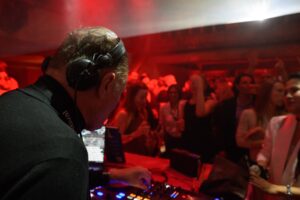
Music was certainly one of the highlights of this edition, particularly the presence of Rusty Egan. The documentary, the conversation that followed and his DJ set brought the Blitz culture back to life—a movement that had a relatively short lifespan but a lasting impact. At the same time, it reminded us of the voices of communities that are still unable to express themselves freely or be fully accepted by society. I think this was a particularly valuable contribution to the festival.
Diana Segantini: Absolutely. Bringing Rusty Egan to the festival was not easy, given all the conditions involved, so we are very grateful to Minerva Mondejar and Darryl von Däniken for making it possible. It is also important for us to collaborate with other agencies and organisations for the common good.
This was an absolute highlight because we were able to combine a great film with the story and background of this bold, vibrant movement. You could already feel its energy during the screening. When certain songs by David Bowie and Duran Duran came on, people were tapping their feet, almost singing and even dancing in their seats.
And then, later, Rusty Egan’s DJ set took that energy even further.
And The legendary club Dracula opened its doors for SMAFF, which I think one of the important highlights to be mentioned.
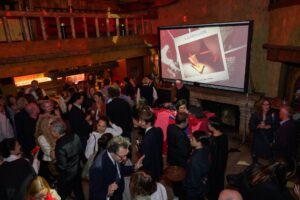
The atmosphere at Dracula is remarkable. It’s owner, Rolf Sachs – who is also in our SMAFF Board gave us the consent to celebrate our 5th anniversary with Dayscreenings at Dracula’s. The Closing Ceremony – traditionally held at the Club – brought together the SMAFF community for a celebration and the presentation of the awards, before opening the event to the public. Dracula is a private club that people would not normally be able to access, so opening the space to the public was significant. It reinforced the sense of SMAFF as an open and inclusive platform.
I think that openness is something people feel from the moment they enter Dracula. It is a very special place, and being able to open it up in this way was important to us.
I would also like to talk about the landscape of Engadin—not only its natural beauty, which is extraordinary, but also its artistic and cultural landscape. You grew up in this landscape and have a very deep connection to it.
I see you as an opinion leader who is bringing this landscape together, reflecting it to the world and attracting people from around the world to come here, collaborate and create together. How has the artistic and cultural landscape of Engadin influenced you, and how do you see your own mission in relation to it?
Diana Segantini: I grew up in an artist family here, and my roots are here, so I am deeply connected to this place. The magic of Engadin is naturally reflected in the festival.
Two or three years ago, the festival’s leading theme was “Becoming Landscape”. These themes are always deliberately open. It was not only about the physical landscape of Engadin, but also about the inner landscape—the landscape of turmoil, beauty and everything in between.
This connection to the landscape is fundamental to the identity of the festival. We want to bring the beauty of nature and the landscape of Engadin onto the screen and into our talks, while also celebrating its beauty and purity.
Sustainability is another one of the festival’s leading values. Taking care of nature and the environment is extremely important to us. Ultimately, the landscape and spirit of Engadin is an essential part of what gives the festival its identity.