
Under what conditions can an initiative working in a clearly defined field such as performance art sustain its existence and contribute to its discipline? What do art initiatives touch, and what do they transform within the art ecosystem? For the third conversation in our series “Initiatives: The Center of Art or Its Alternative?”, we discussed these questions with Simge Burhanoğlu, founder and director of Performistanbul, a decade-long initiative dedicated to performance art.
Despite having deep roots, independent art initiatives in Turkey face many challenges, foremost among them visibility and sustainability. On the other hand, practices in fields such as performance art have even more limited visibility than other art forms, even with institutional support. Under these conditions, Performistanbul has continued its activities actively for ten years.
We spoke with Performistanbul’s founder and director Simge Burhanoğlu about the place of performance art in Turkey, Performistanbul’s contribution to this field, the impact area of art initiatives, and how this impact can be expanded.
In our previous two conversations, we talked about how art initiatives in Turkey survive under difficult conditions. The field of performance art perhaps addresses an even more limited audience in terms of visibility compared to other art disciplines. Performistanbul has completed ten years under these circumstances. Could you talk about the work you have carried out so far?
Yes, we have experienced—and continue to experience firsthand—how difficult it is for art initiatives in Turkey to survive. Performance art, by its very nature, exists in a more fragile and limited field in terms of both production and audience. Perhaps for this very reason, building a sustainable structure over ten years has been not only an achievement for us, but also a strong story of solidarity.
I founded Performistanbul in 2016 as Turkey’s first and only platform dedicated solely to performance art. As Performistanbul, our primary goal has been to bring performance artists together under a common roof and to approach the field from a 360-degree perspective.
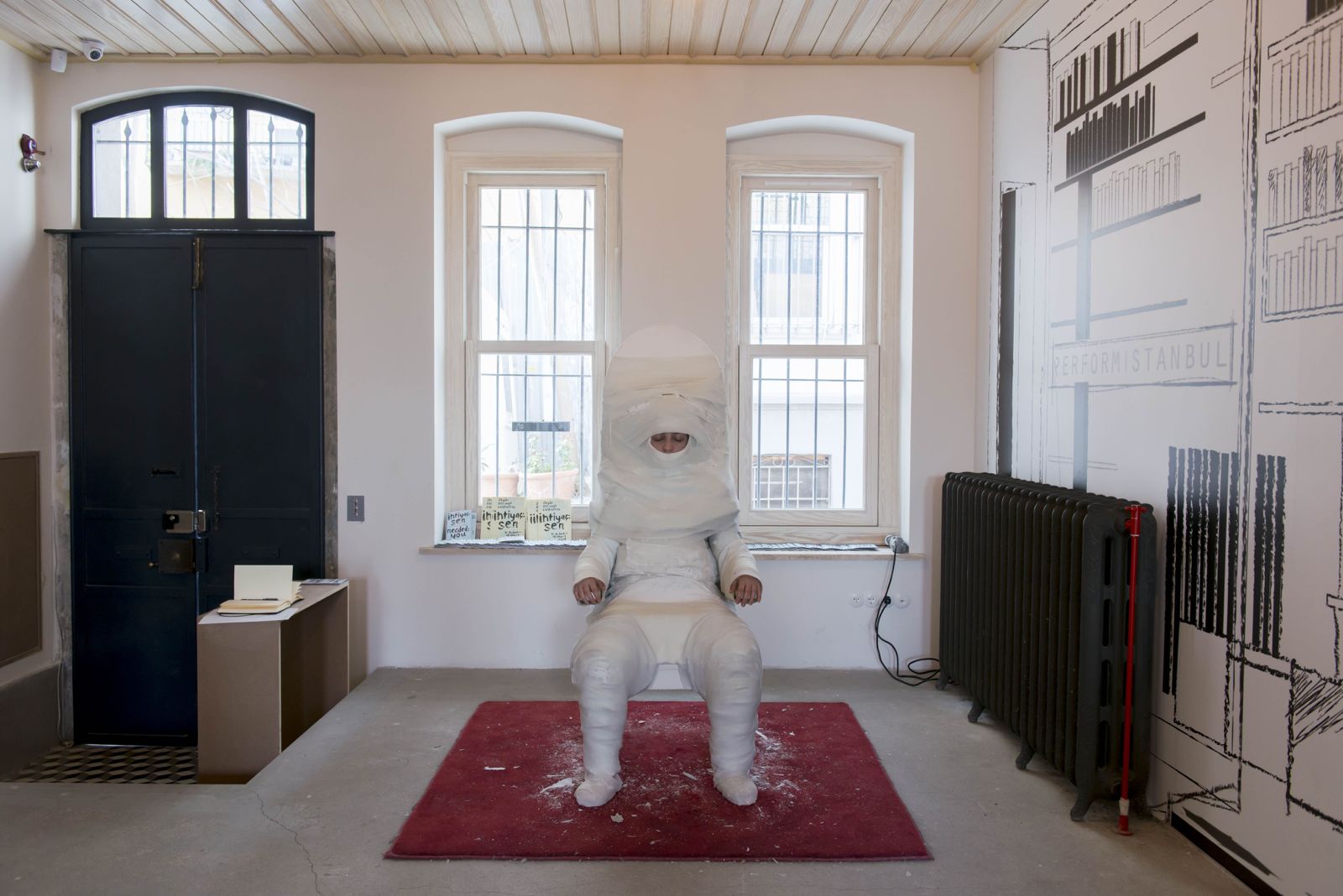
In order to turn ideas into reality, we work across many areas for the development of the discipline: curatorial consultancy, communication with venues and institutions, the presentation of performances, their continuation within collections, archiving, legal infrastructure, financial support, residency programs, education, academic studies, and publications. We strive to ensure that performance art gains a more visible, stronger, and more sustainable position in Turkey, and we build bridges between performance art and different actors in the art world.
“While questioning boundaries, we aim to shed light on socio-political issues, make different perspectives visible, and open up expressive spaces that support diversity.”
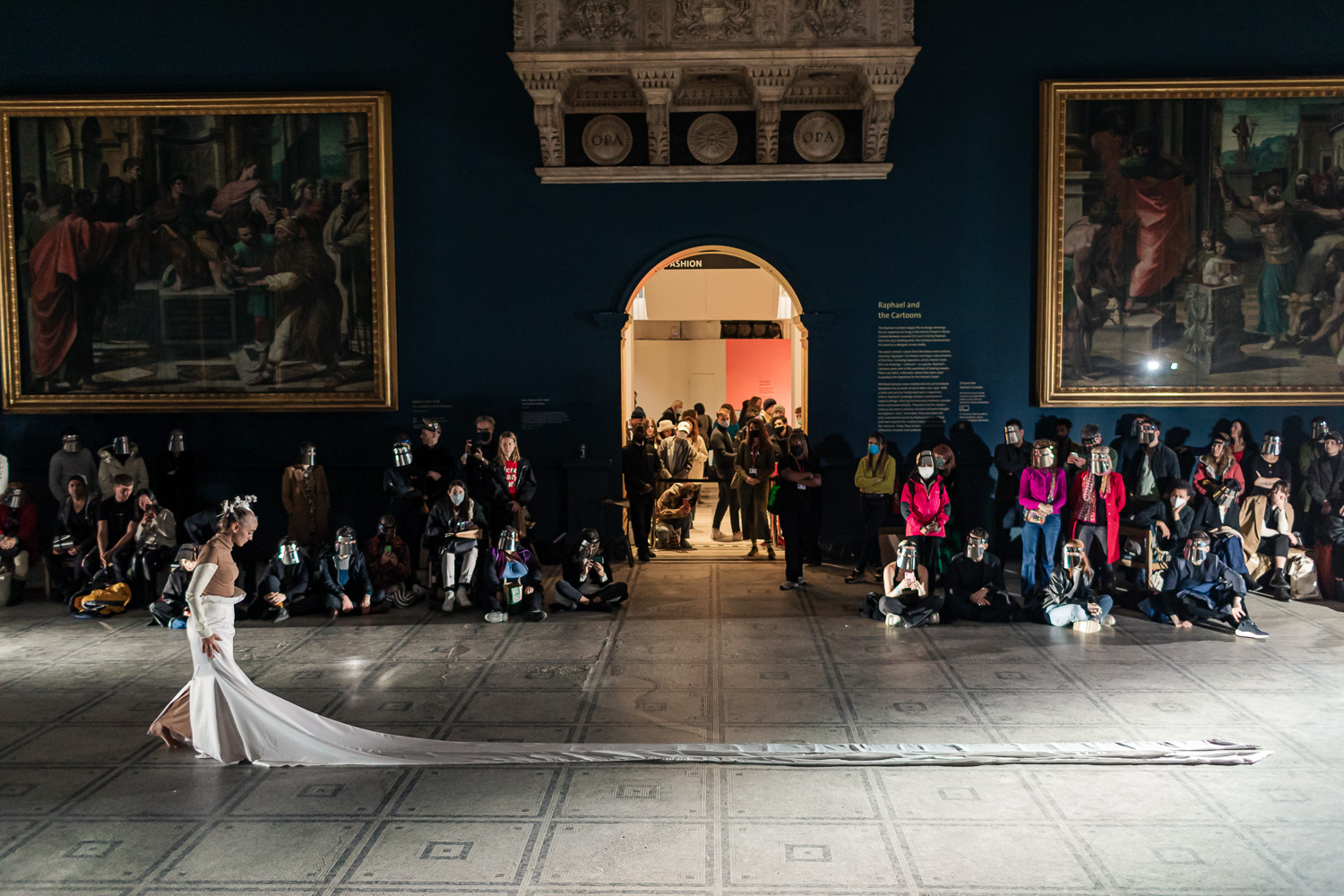
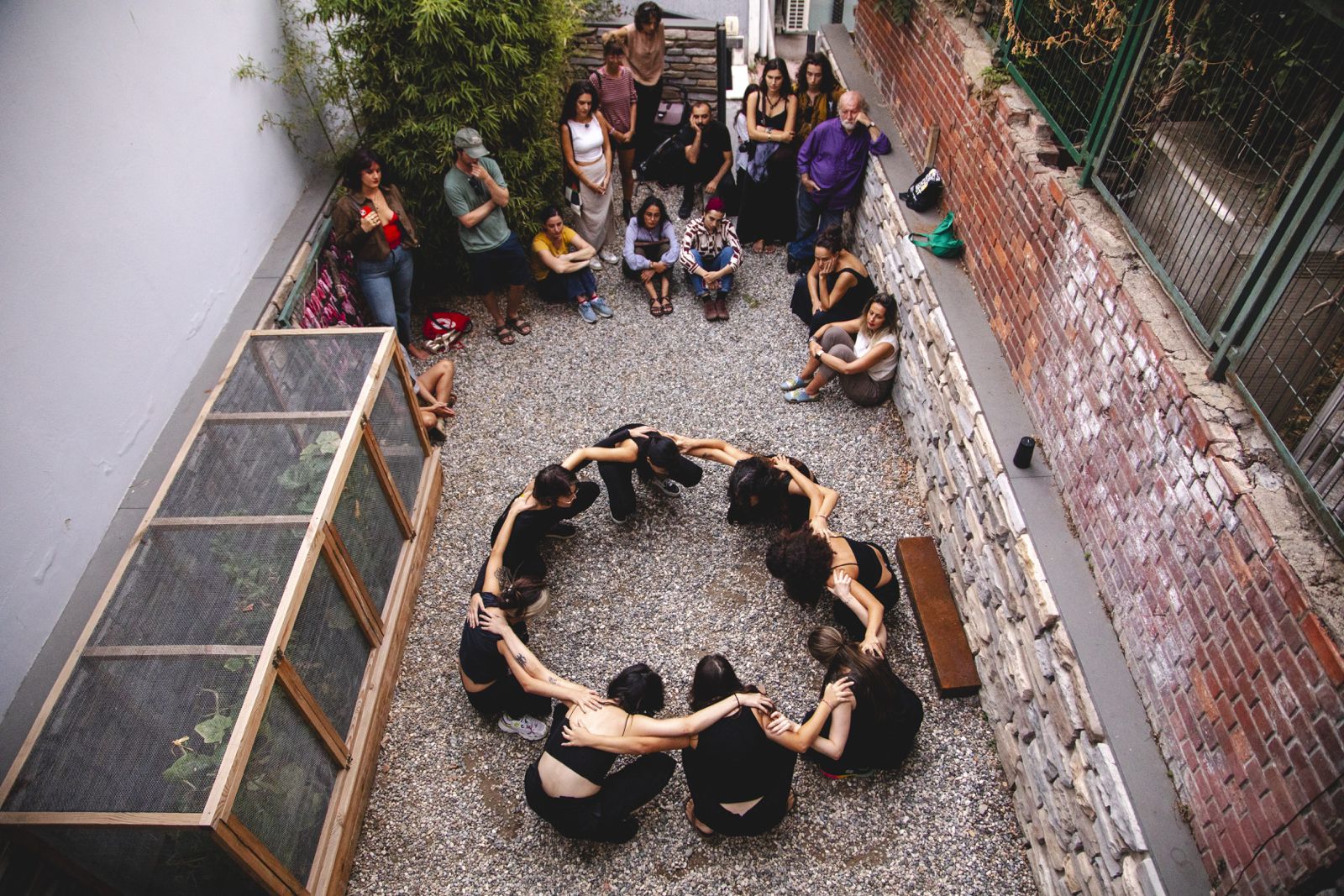
By adopting a flexible working model with our “placeless” identity—aiming to respond to the gaps in the field of performance art—and by collaborating with initiatives, biennials, museums, galleries, public spaces, and international institutions, we have realized over 400 performances with 135 artists to date. We have created a field that has changed the map of performance art in Turkey. At Performistanbul, we approach performance art as a multidimensional discipline that builds social connections, offers experiences, conducts research, archives, and carries practices into the future. Each performance transforms individual expression into a social bond. Grounded in reality, we use the body as a means of expression while aiming to offer a healing and critical perspective on social issues. While questioning boundaries, we also seek to illuminate socio-political matters, make diverse viewpoints visible, and create inclusive spaces of expression.
As a non-profit platform, we founded the Performistanbul Association for the Development of Performance Art in 2018 and continued our work as an association, establishing a concrete roof for performance art with our space in Galata. Our initial intention there was to establish Turkey’s first Live Arts Research Space (PCSAA) and to create a live art library and archive. There is a serious lack of resources in the field of performance art; here we bring together international printed and digital resources in live art. We are working to create a space fully dedicated to the discipline of performance art. Since 2020, we have also continued our residency program hosting artists working in performance art. Through the Live Art Collection, we document performance remnants, and through projects carried out in our Research Space, we support academic discussions. With our academic studies series, we collaborate with research groups working in this field. Additionally, through Performistanbul Publications, we focus on addressing the lack of literature by translating important resources in the field into Turkish.
Education is also very important to us. With the course titled Performance Art Practices that we established at İstanbul Bilgi University in 2020, we have had the opportunity to produce together with students for six years.
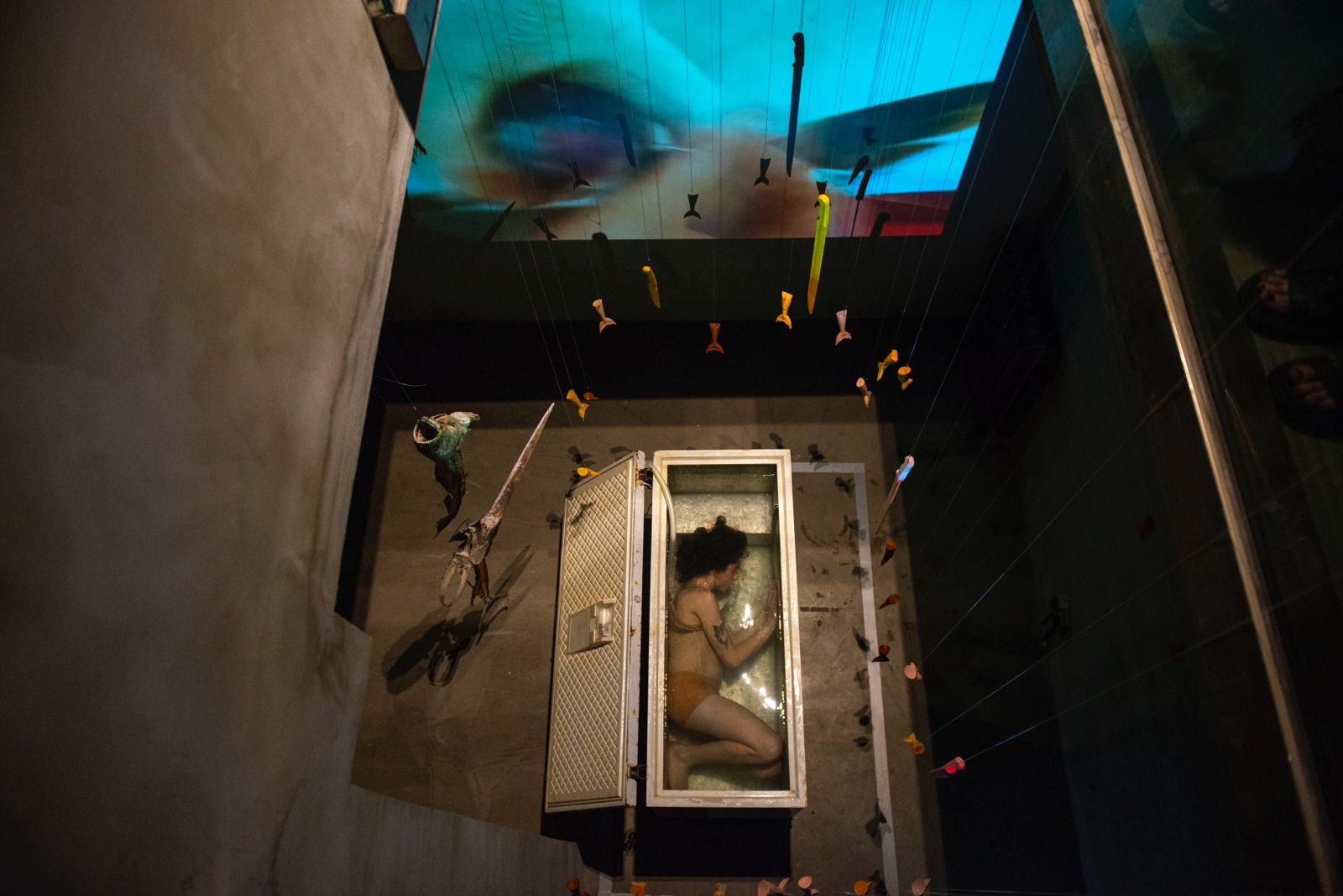
“At the most fundamental level, we believe in the healing and unifying power of performance art.”
At the most fundamental level, we believe in the healing and unifying power of performance art. We aim to open space for live art productions that make social issues visible, reflect values, and create free spaces of expression, while providing sustainable support for artists and projects.
What can you say about the development of performance art in Turkey since Performistanbul’s founding, and about Performistanbul’s contribution to this process?
Unfortunately, performance art in Turkey and worldwide has not yet reached the position it deserves. Its ephemeral nature still clashes with the materialist world. Yet the search for reality and the magic of lived experience make the attraction to this discipline inevitable.
Since the founding of Performistanbul, we can say that there has been a visible transformation in the field of performance art in Turkey. Ten years ago, performance art was often positioned as a side event of exhibitions and did not receive sufficient support as an independent and sustainable field of production. Today, there is a greater inclination toward this discipline among young artists, and institutions have begun to include performance art in their programs more consciously.
As Performistanbul, we have been both witnesses to and active participants in this transformation. From the very beginning, we have advocated positioning performance art not as an “event” or a “show,” but as a discipline in its own right. We aim to strengthen both the practical and theoretical foundations of the field. We believe that this approach has contributed to performance art becoming a more seriously considered, discussed, and reflected-upon field in Turkey.
We are Turkey’s first and only international performance art platform dedicated solely to live art. This alone brings a great responsibility. In short, over these ten years, we have not only produced performances; we have tried to build an ecosystem. We continue to produce, research, and think together so that performance art can gain a stronger, more visible, and more sustainable position in Turkey.
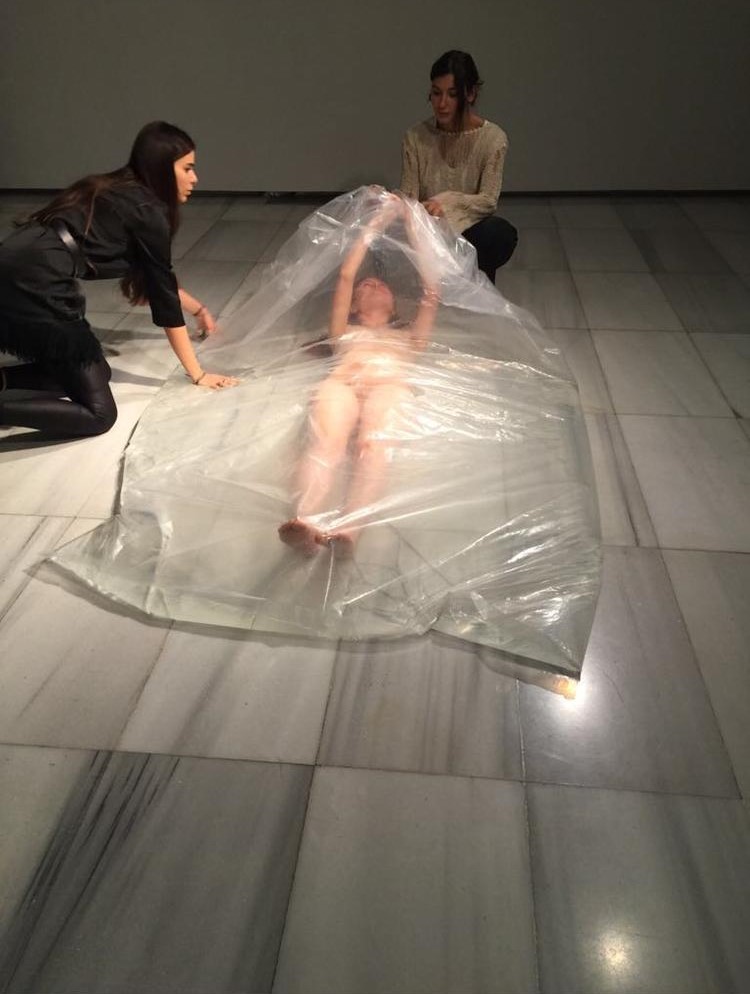
“Creating a memory against the ephemerality of performance art has always been important to us. The aim is not just to create a good work, but to create a living memory.”
At the center of our mission are opening creative spaces; bringing performance art together with human sciences such as philosophy, psychology, sociology, and anthropology; providing education; producing Turkish-language resources; developing legal and financial infrastructures; and building a live art culture that can be shared with society. We take on a pioneering role in the development of performance art in Turkey, contributing to the establishment of a lasting foundation for this discipline through research, education, publishing, and international collaborations.
Creating a memory against the ephemerality of performance art has always been important to us. The aim is not just to create a good work, but to create a living memory.
The sustainability of art initiatives is often based on volunteer labor and dependence on funds. Performistanbul has realized nearly 400 performances with more than 100 artists over ten years—an impressive statistic even for capital-backed institutions. How do you operate economically and structurally?
Yes, the sustainability of art initiatives largely relies on volunteer labor and project-based funding. This becomes even more challenging in a field like performance art, where production costs are high but income models are limited. At Performistanbul, we started out with this reality in mind and from the beginning focused not only on producing programs but on establishing a structural model.
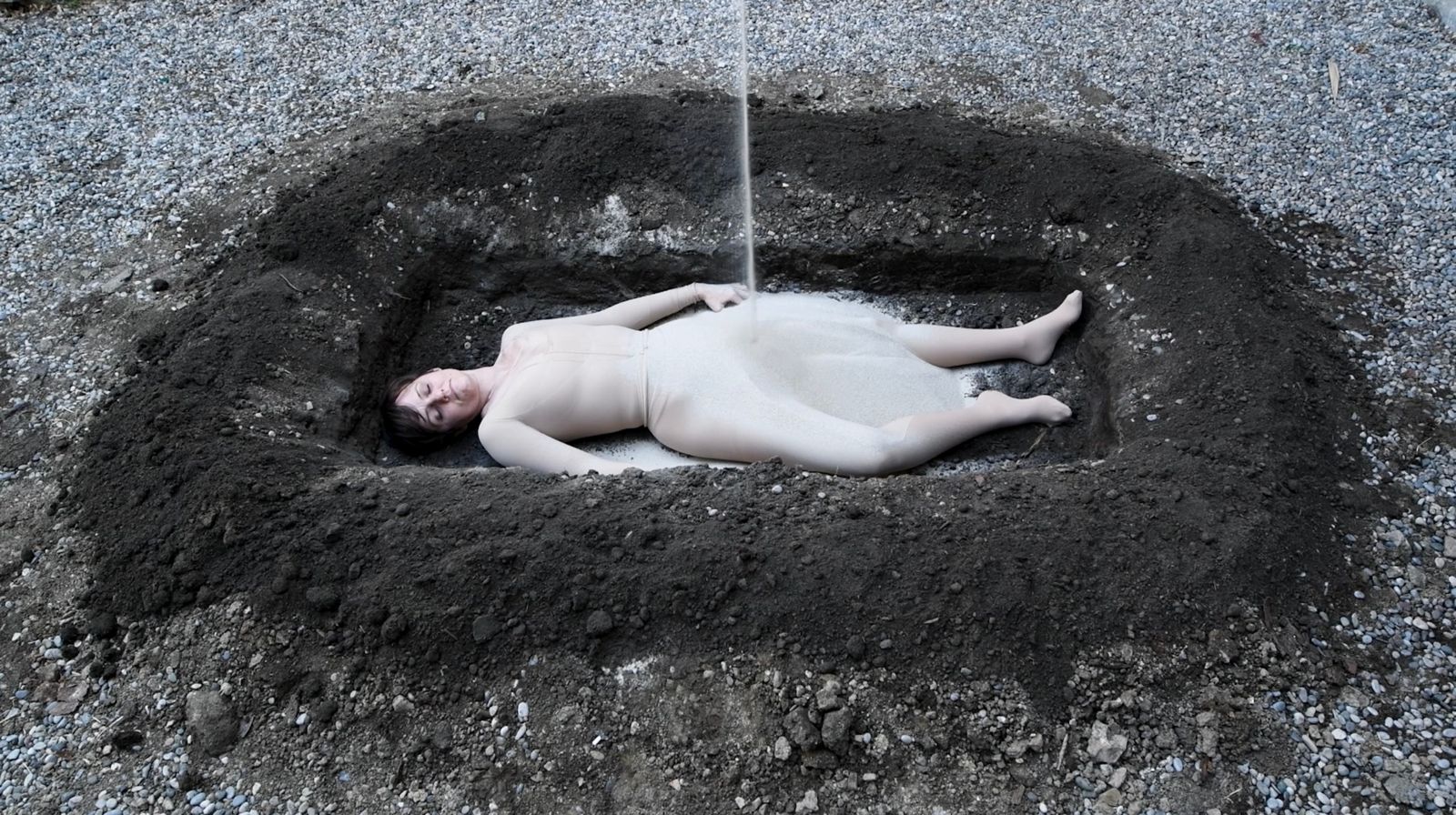
“The art environment in Turkey is highly dynamic, productive, and full of young energy; yet at the same time fragile and open to economic and structural fluctuations.”
The art environment in Turkey is highly dynamic, productive, and full of young energy; yet at the same time fragile and open to economic and structural fluctuations. This fragility becomes even more visible when it comes to independent spaces and initiatives. Much of the production outside major institutions survives through personal effort, collective solidarity, and project-based resources.
By becoming an association, we draw our main strength from our community, from solidarity, and from that invisible network growing through donations. Unfortunately, this is not sufficient; we need regular funding support.
Structurally, we have a flexible yet disciplined organizational model. We work with a small, focused core team and build a structure that expands on a project basis, growing together with artists and researchers. Volunteering certainly creates an important ground for solidarity, but we strive to make labor visible and to budget production whenever possible—because sustainability is only possible by recognizing the value of labor.
In the long term, we also see the knowledge capital we have built through archives, research networks, and international connections as a source of strength. We act not merely as a structure that presents performances, but as an institution that produces knowledge, networks, and experience. This both increases collaborations and facilitates access to new resources. In short, behind these ten years lies a multilayered and collective effort—and a wholehearted dedication, as if there were no other way.
On this occasion, I would like to reiterate our Performistanbul 10th Anniversary Support Call: for performance art to remain alive, be preserved, and grow in the future, we need your support.
How do you evaluate the art environment in Turkey? What do you think is the impact area of art initiatives, and how can this impact be expanded?
It is an environment that is risk-averse, trapped in routines, and reluctant to step outside the system. As Performistanbul, we see this environment as both challenging and transformative. Challenging, because sustainability remains the most fundamental issue; transformative, because these very conditions make new forms of solidarity, alternative production models, and bolder artistic approaches possible.
“The greatest strength of art initiatives in Turkey lies in their flexibility and their capacity to take risks.”
The greatest strength of art initiatives in Turkey lies in their flexibility and their capacity to take risks. Compared to institutional structures, they can move faster, create space for experimental works, and show the courage to work with artists who have not yet gained visibility. This disrupts routines and constantly reminds us how valuable and essential spaces are where creative freedom can breathe. Censorship-free, pressure-free, and interference-free art production is only possible when we stand together.
The real impact lies in their capacity to build networks, produce knowledge, open space for young artists, engage with new audiences, and develop alternative models.
The future of the art environment in Turkey depends not on a structure where large institutions and independent initiatives stand in opposition, but on a solidarity that nourishes one another and establishes horizontal relationships. Initiatives can become the experimental ground, research laboratory, and often the conscience of this system. Strengthening them therefore means strengthening the entire art ecosystem.
Long live the independents!