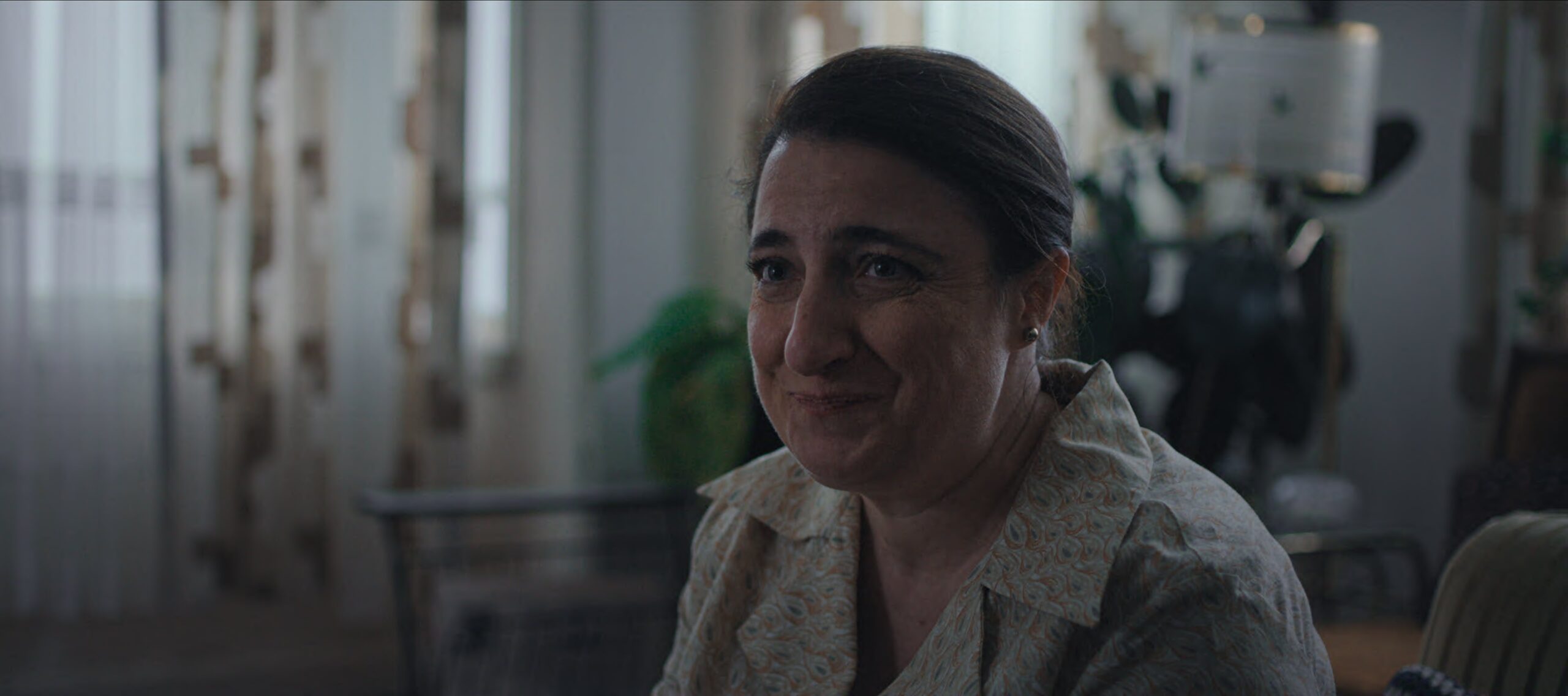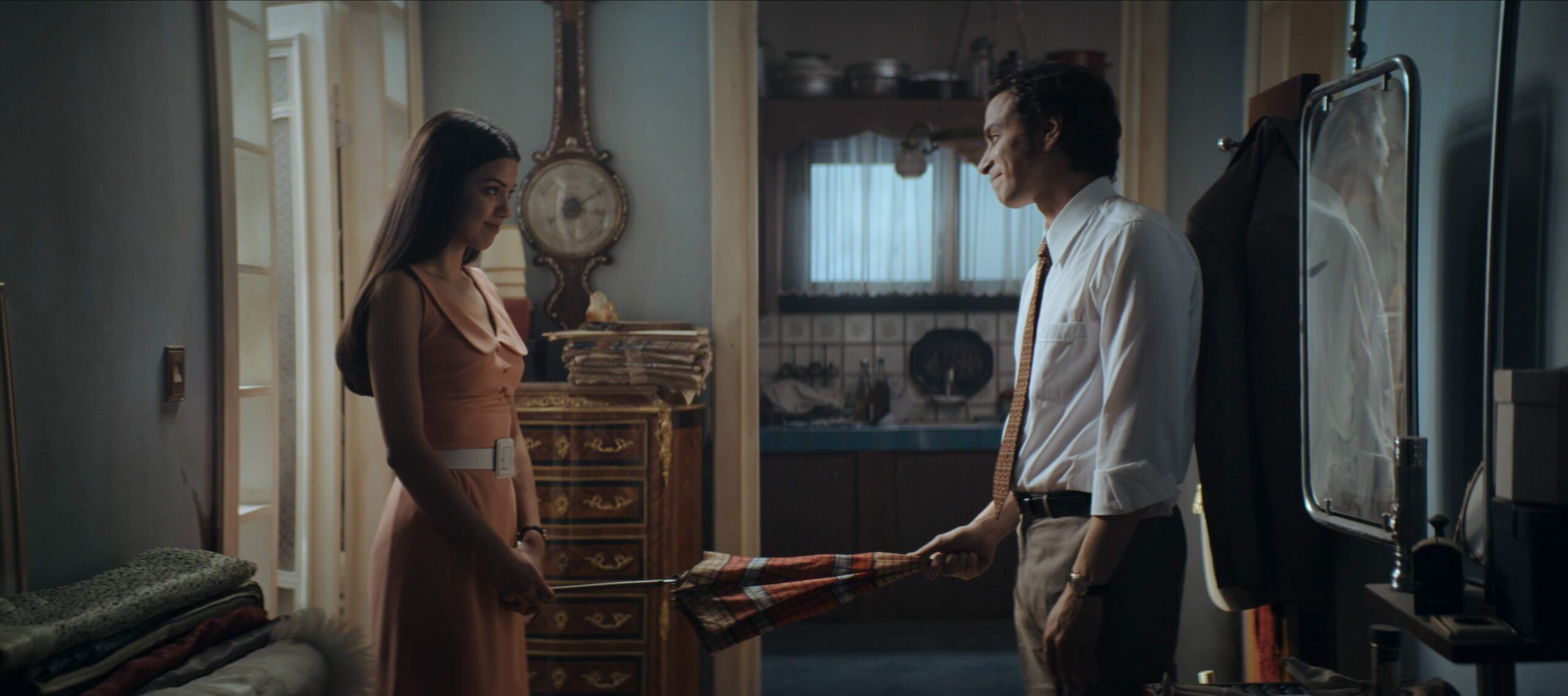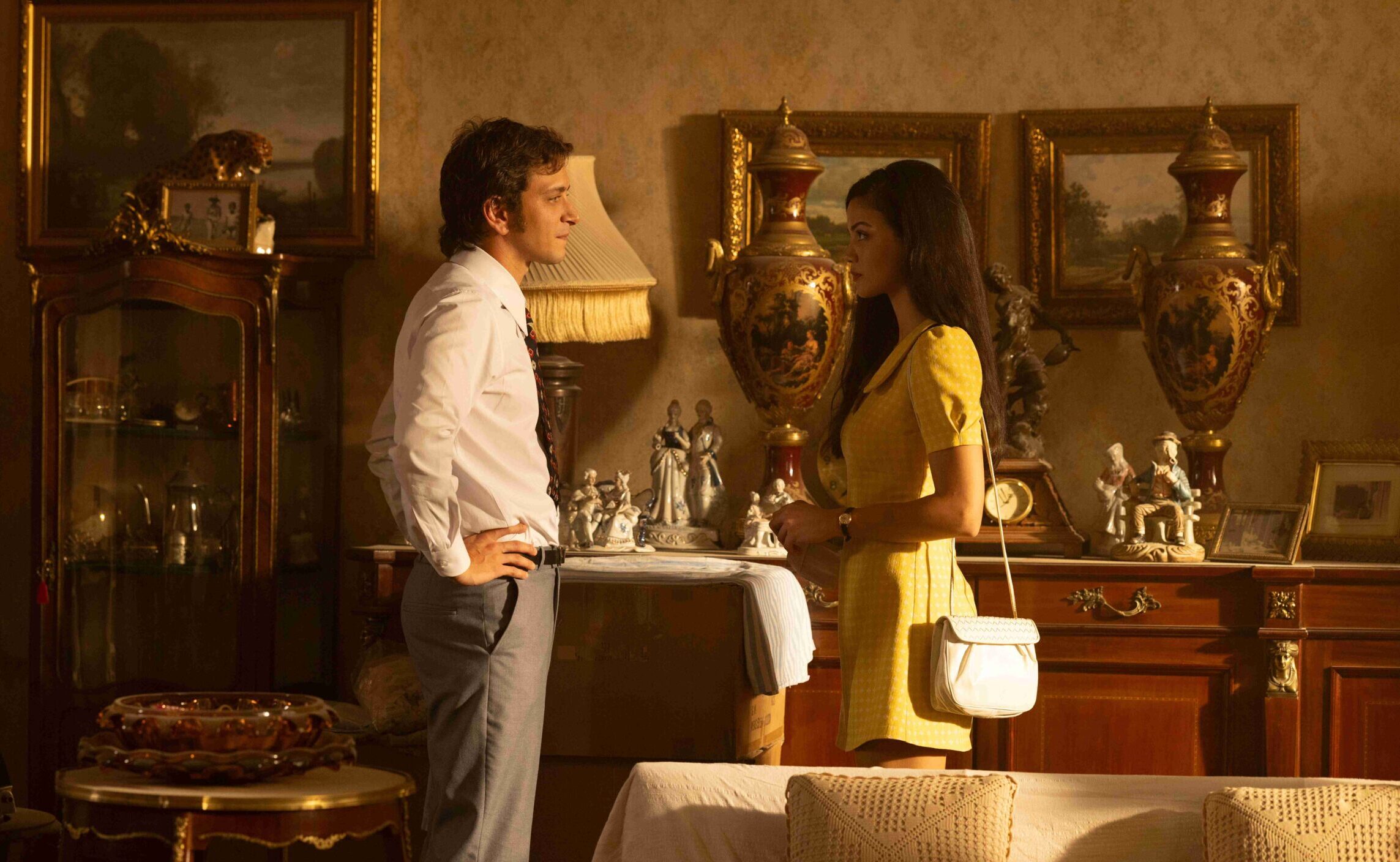




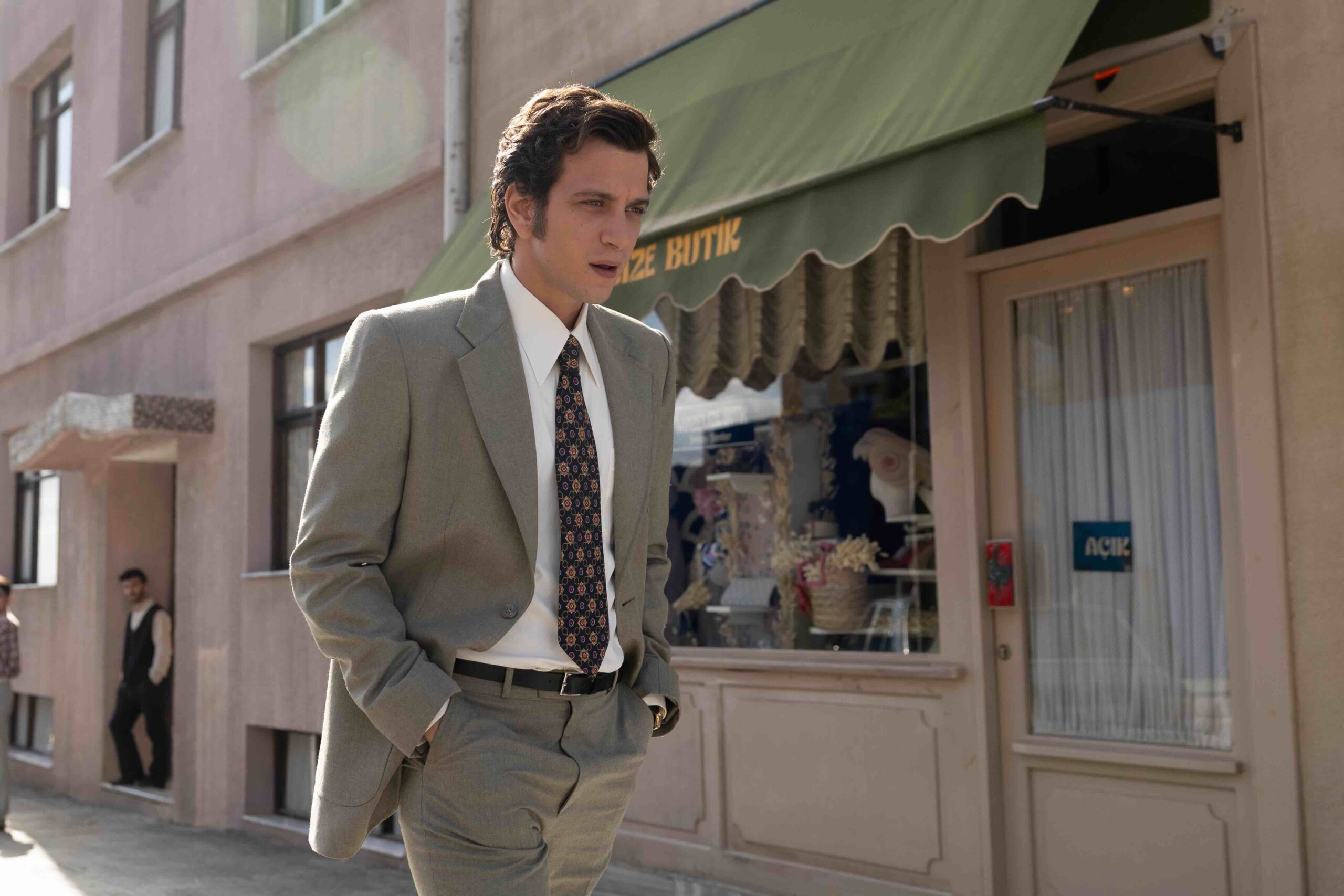
I’m curious. What kind of relationship did you have with the book when it first came out fifteen years ago?
You know, there are two ways of connecting with The Museum of Innocence. Or rather, with Kemal. Personally, I couldn’t put the book down. I was completely immersed in it, and I understood Kemal. I found a lot of myself in him, and in Füsun too. After finishing the book, I met up with the group of friends I had been reading it with, and we started talking about it. I remember being genuinely surprised. I thought, “Did I read a different book?” The other eight friends all felt differently. There was no shared opinion at all. Everyone had their own interpretation, and I remember that very clearly. Reading the novel again, fifteen years later, through this project, turned into a very interesting journey for me. Back then, she was a 32-year-old single person at the beginning of her life, reading the book. Now, it is a 50-year-old woman.
There’s the moment when you first read the book, and then there’s now. Let me ask about both. What feeling did it leave you with? What stayed with you?
They’re actually quite different. The first time I read it, I remember viewing the story mostly through Füsun. Back then, it stayed in my mind almost as if it were a story about her. When I reread it fifteen years later, I realized that Füsun almost disappears, and that it is, in fact, Kemal’s story. I think the first time I read it, I empathized with Füsun and filled in many gaps with my own thoughts. I also connected with Kemal through Füsun at that time. So I remember reading it with this feeling about Füsun: “Oh no, how instinctive and brave this girl is. Despite all social conditioning, she throws herself into love with no expectations. She offers something so profound, and yet she is never truly seen.”
But fifteen years later, while working on the screenplay and telling Kemal’s story from such a grounded perspective, portraying love without romanticizing it—showing it as something that holds beauty but also has the power to reveal our darker sides—affected me deeply. At the same time, I noticed something I hadn’t realized before. When it comes to love, we tend to focus heavily on ourselves—the choices we make and our partners. Yet, The Museum of Innocence also explores forces larger than us, like coincidences. The Jenny Colon handbag is a perfect example of this. The book is filled with chance encounters, moments that seem like the universe’s timing. That brought me a sense of relief; not everything has to be deeply meaningful. Sometimes, it’s just coincidences, the places they lead us, and moments of randomness or chance that can shape our greater destiny. I saw this more clearly on my second read, and I wanted to include that idea too.
And you’ve carried that into the series as well. At one point, Kemal says, “We slept together, that’s all.” It sounds simple.
Yes. He is asking, Can it really be that simple? There’s also a line from his mother, which I love. She says to Kemal, “Can there be love in a country where men and women cannot even speak to one another?” I think both lines say something very powerful, not only about love in general, but also about how love is perceived in our society. And yet, even when you break it down to something this simple, it remains a story with extraordinary depth, one that leaves all of us with many unanswered questions.