




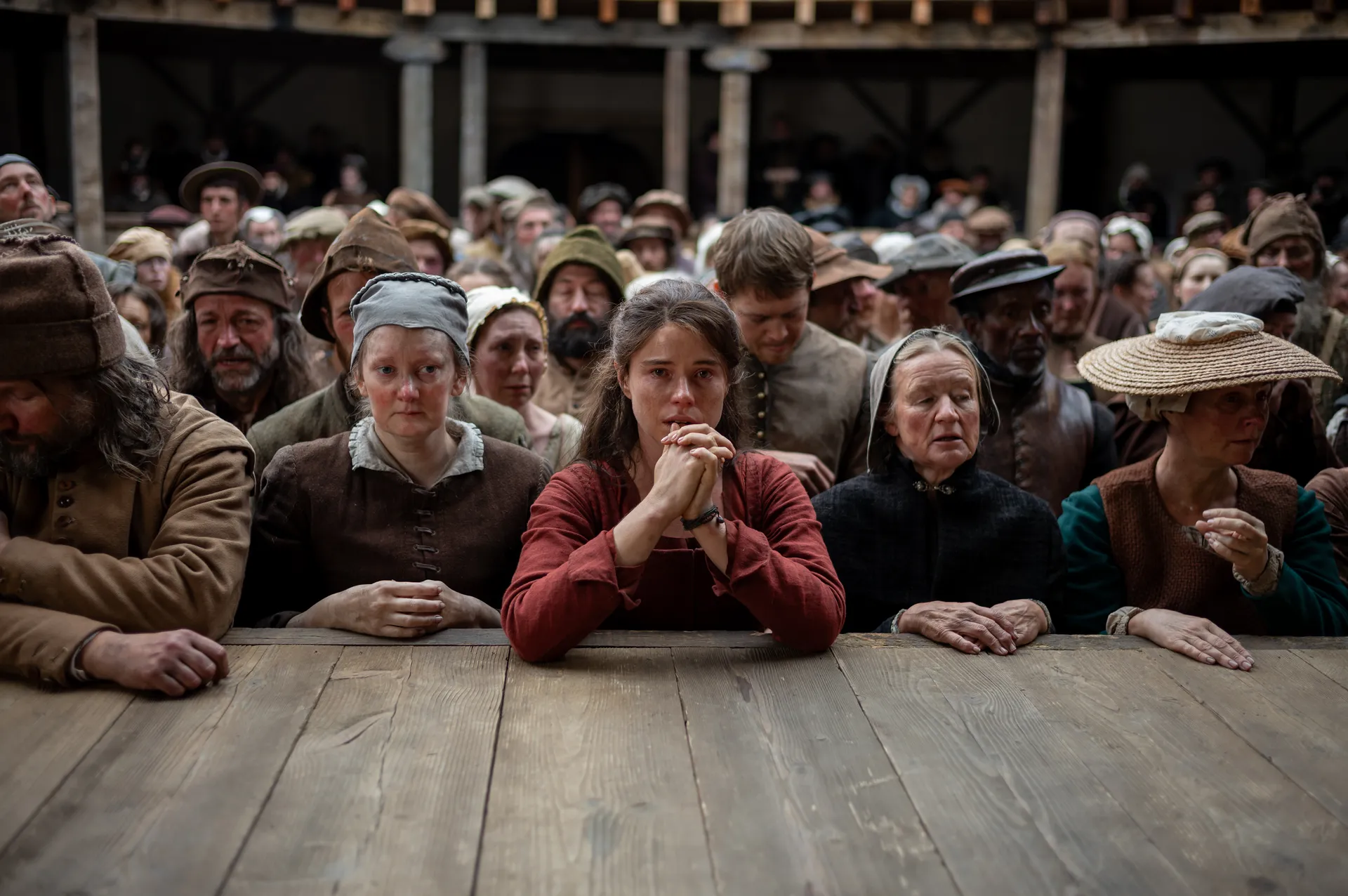
Adapted from Maggie O’Farrell’s Hamnet and directed by Chloé Zhao, the film—nominated for eight Academy Awards—brings together motherhood, loss, and the transformative power of art through a poetic cinematic language, starting from Agnes’s grief.
William Shakespeare, one of the most unshakable figures in the canon of world literature, is also among the names surrounded by the greatest number of conspiracy theories. His identity has repeatedly been questioned; some have claimed that his works actually belonged to his contemporary Christopher Marlowe, while others have even debated whether he ever existed at all. Despite the meticulous scrutiny of his life, the concrete evidence we possess goes little beyond baptism records, property deeds, and a few personal details. What we know about his family life and his children is largely confined to a few lines buried in the dusty pages of sixteenth-century church registers.
It was by turning this historical void into a creative playground that Maggie O’Farrell wrote Hamnet in 2020. The author’s fascination with this story first took root when she was just sixteen, during a literature class. Her teacher’s remark about the similarity between the name of Shakespeare’s son Hamnet, who died at the age of eleven, and his world-famous tragedy Hamlet deeply affected her. The connection between these two names—interchangeable in the sixteenth century—led O’Farrell to pursue a haunting question: Why would a father give the name of his lost child to the greatest tragedy in world literature?
A Woman Emerging from the Shadow of History
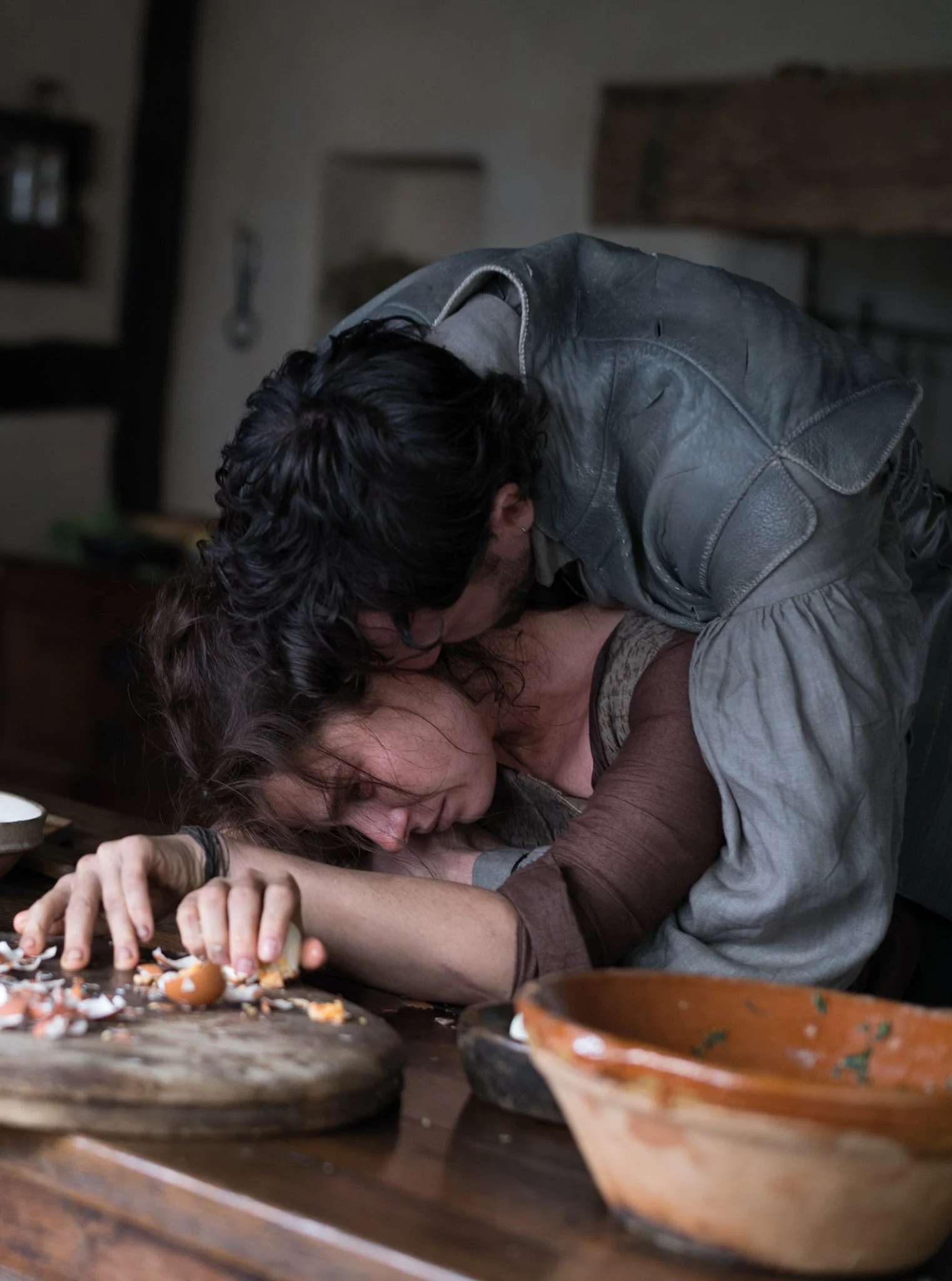
Yet in pursuing this question, O’Farrell does more than recount the story of Hamnet, who died so young. With her poetic and lyrical style, she shifts her focus to Anne Hathaway—also known as Agnes—who has often been reduced in historical records to “the older woman who forced Shakespeare into marriage.” The author reconstructs this woman, about whom we know almost nothing, as a mother deeply connected to nature, guided by strong intuition, endowed with healing abilities, and capable of carrying her grief with great dignity.
In this sense, O’Farrell’s Agnes represents an attempt to correct a historical injustice. The long-standing image of the “older and cunning wife” is not rooted in concrete fact but rather in an invention of male historians of the eighteenth and nineteenth centuries. Unable to reconcile the idea of a “divine genius” like Shakespeare with a wife eight years his senior and of rural origin, these biographers deliberately maligned Anne Hathaway. Although we will never know for certain whether Shakespeare truly loved her or was forced into the marriage, O’Farrell offers a perspective that tears apart this dark and distorted portrayal.
For centuries, Hamlet, the most magnificent tragedy in world literary history, has been associated not with the grief of a child, but with that of a father. By contrast, Hamnet, adapted from O’Farrell’s novel and brought to life through Chloé Zhao’s camera, shifts the focus away from the grieving writer toward an eleven-year-old boy forgotten in the dusty footnotes of history and the mother who mourns him. Nominated for eight Academy Awards and standing among the strongest productions of the season, the film promises not a conventional cinematic narrative, but rather a lyrical poem breathing at the heart of nature.
A Mythological Prophecy and the Atonement of Art
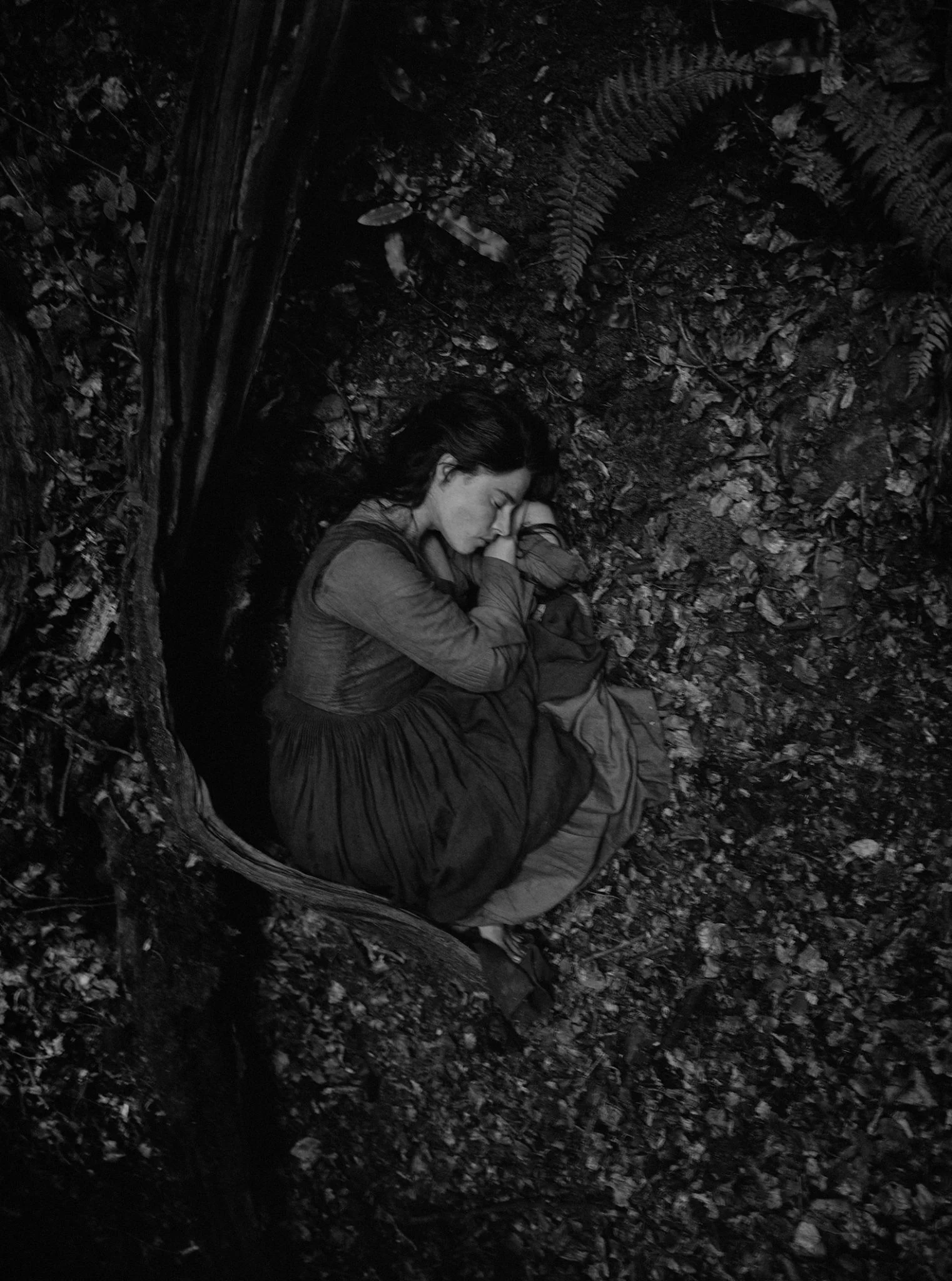
At the center of Hamnet stands Agnes, who appears almost as an earthly manifestation of Mother Nature. Portrayed by Jessie Buckley with a profound blend of serenity and ferocity, she is a wise figure who lives in harmony with the rhythm of the soil, understands the language of herbs, and hears the whispers of the future. For Agnes, death is not a sudden stranger. As she has known since losing her own mother in childbirth, grief and death are inseparable parts of life. When she says during labor, “I will have two children by my bed,” it is not merely a premonition, but the first imprint left on her soul by an approaching and inevitable tragedy.
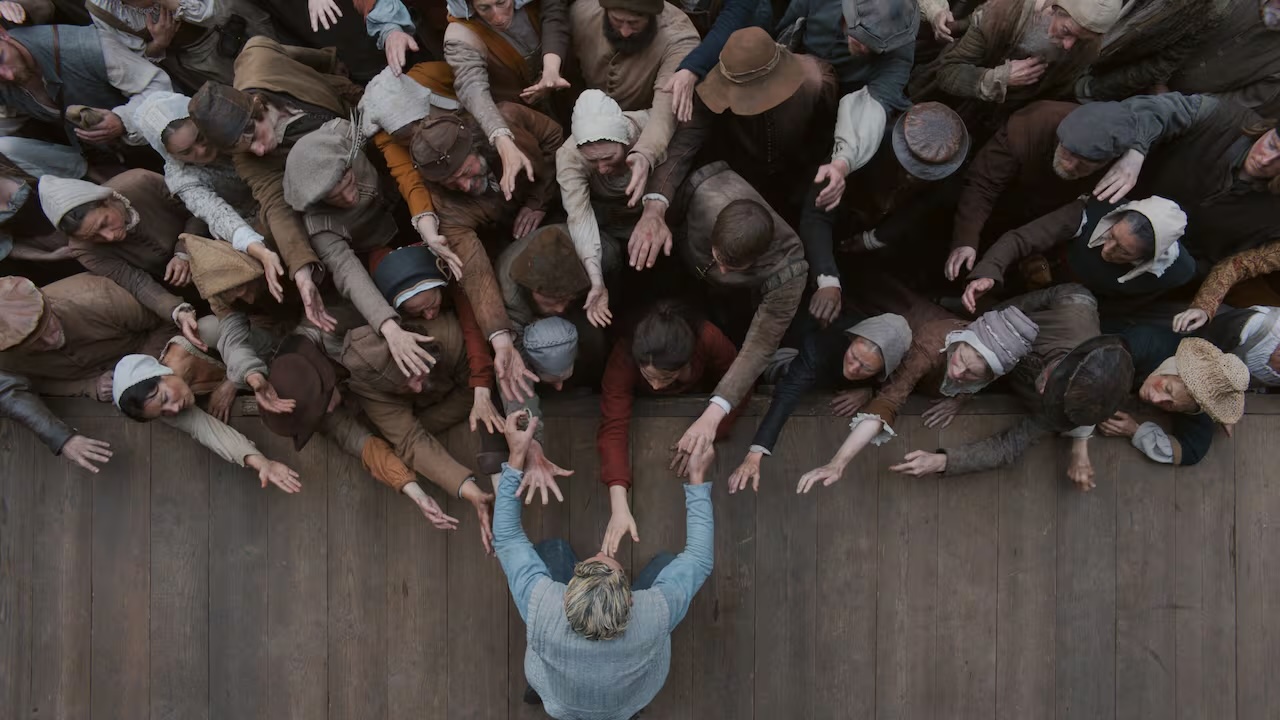
From the very beginning, this sorrowful narrative is sealed with a mythological prophecy. William Shakespeare—whose name we learn only in the final twenty minutes—signals the omnipresence of death as he recounts to his beloved the heartbreaking story of Orpheus and Eurydice. Orpheus’s fatal mistake of looking back while trying to rescue his love from the underworld resonates throughout the film in the recurring cry of “Look at me!” exchanged between Agnes and “the schoolmaster.” The massive hollow tree trunk that appears both in the depths of the forest and in the final scene’s Globe Theatre set functions like an eerie gateway to Hades, reminding us of absolute death standing at the very heart of life. Thus, throughout Hamnet, death appears sometimes as an inseparable part of nature, sometimes as an ancient mythological narrative, assuming a different form in every scene.
In A Very Easy Death (Sessiz Bir Ölüm), Simone de Beauvoir writes: “When someone you love dies, you pay for the crime of surviving with a violent remorse that pierces the heart.” Agnes’s mourning is a physical embodiment of this definition. She carries not only the pain of losing her child but also the heavy and unjust burden of having survived. Buckley strips her character’s suffering of any aestheticization, transforming it into an animalistic, uncontrollable cry that shatters the viewer’s sense of safety. Her raw scream at the moment she loses Hamnet proves that grief is a wreckage that washes over the body.
By contrast, Paul Mescal’s William turns to art as a refuge in order to tame this crushing pain. For him, playwriting is no longer a career step, but a sacred and melancholic ritual through which he comes into direct contact with grief—killing and resurrecting his son on stage every night, granting him a form of immortality.
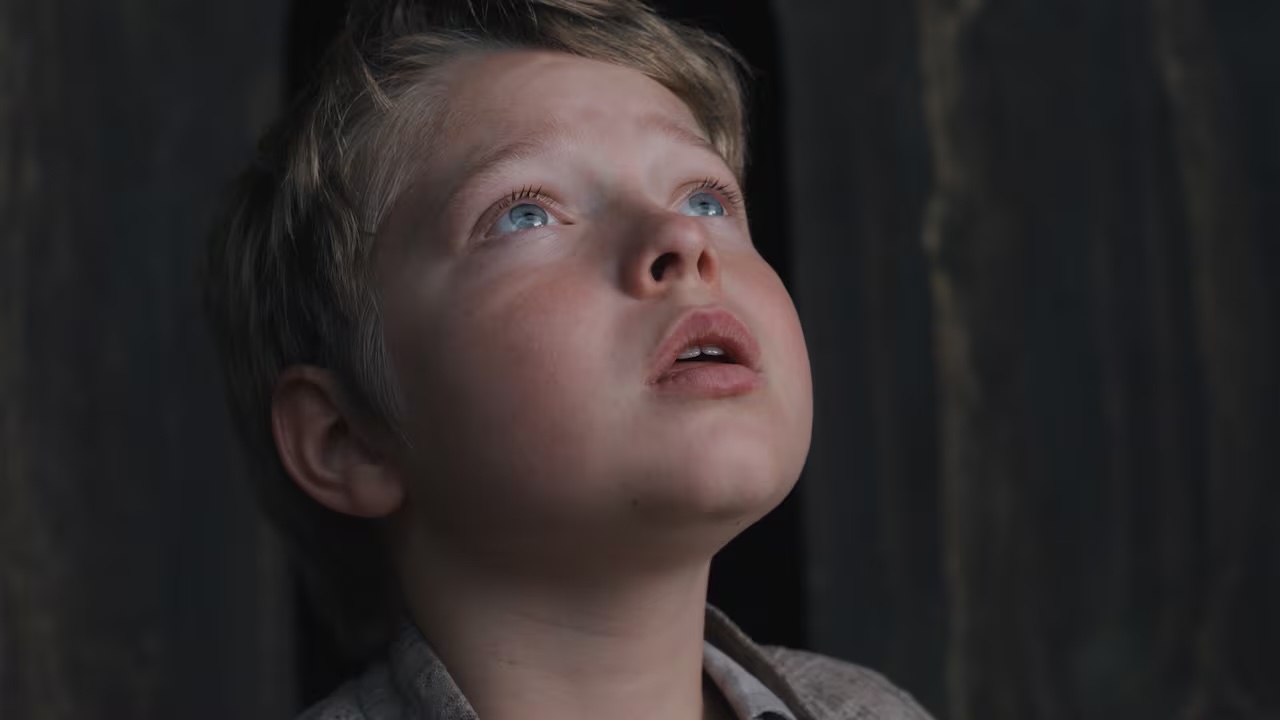
Collaborating closely with O’Farrell, Chloé Zhao transforms the poetry of words into a visual feast, making the audience forget they are watching a film and immersing them in the damp soil of the sixteenth century, face to face with the suffocating emotional weight of mourning. From Jacobi Jupe’s award-worthy performance as Hamnet to the miraculous survival of his twin sister Judith after a stillbirth, every frame reminds us how fragile life truly is. When the curtain falls and this devastating story comes to an end, only Hamlet’s final line lingers in our ears:
“The rest is silence.”