

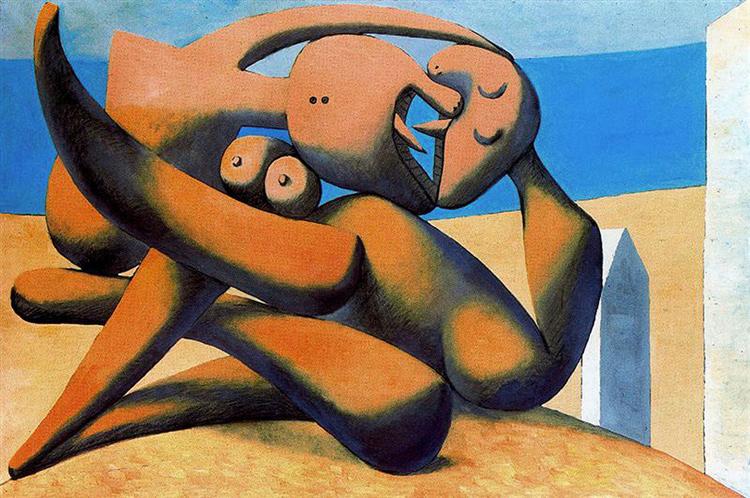
Louvre Abu Dhabi is hosting the exhibition Picasso, the Figure, which focuses on Pablo Picasso’s approach to the human figure. On view until May 31, the exhibition reveals—through a selection ranging from Cubism to mythological representations—that for Picasso the figure was a field of expression beyond mere form.
Louvre Abu Dhabi is presenting Picasso, the Figure, an exhibition centered on the modern master Pablo Picasso, who radically transformed the understanding of form in modern art, and his view of the human figure. On view until May 31, the exhibition highlights Picasso’s sustained interest in the figure throughout his artistic career.
The exhibition brings together significant works primarily from the Musée National Picasso–Paris, as well as from the Louvre Museum, Mobilier National, and regional collections. Spanning a wide range from Cubism to classical portraits, from surrealist experiments to early dynamic figures, the exhibition reveals Picasso’s ongoing effort to reinterpret the human body. The works demonstrate not only representations of form, but also how the artist conveyed emotion, mythology, and cultural memory through the figure.
Picasso Between Myths and Cultures
Rather than following a strict chronological order, the exhibition unfolds thematically. The abstraction of the figure through signs and symbols, its encounters with mythological characters, and its return to classical notions of the body trace Picasso’s formal evolution step by step. Mythological figures such as the Minotaur symbolize both the artist’s vulnerability and strength, reflecting the multilayered nature of his approach to the figure.
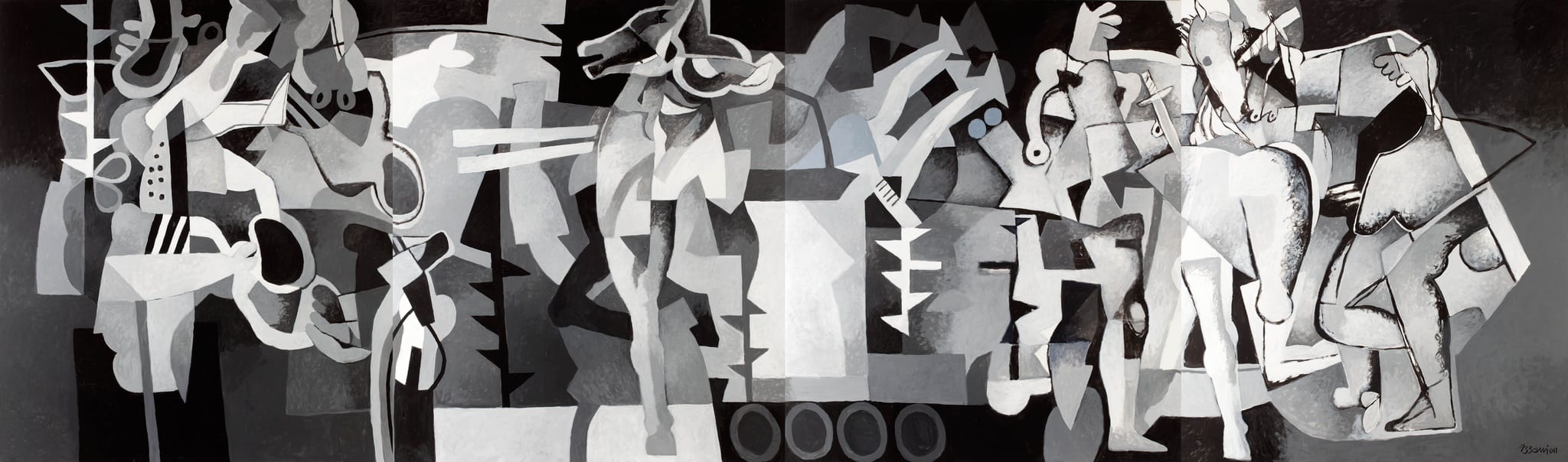
Picasso’s works also foreground the cultural dialogue he established with the Arab world. Dora Maar’s photographs documenting the creation of Guernica are presented alongside Iraqi artist Dia Al-Azzawi’s Elegy to My Trapped City, showing how similar themes are addressed across different geographies. In addition, works by Baya Mahieddine, Ramses Younan, Jewad Selim, and Shakir Hassan Al Said demonstrate that Picasso’s understanding of form and the figure was not limited to Europe, but had a universal impact.
Commenting on the exhibition, Louvre Abu Dhabi Director Manuel Rabaté states: “Picasso, the Figure offers a unique opportunity to explore the artist’s legacy and to encounter his works directly, while also bringing into the exhibition the dialogue established with Arab artists.”
Throughout the exhibition, visitors can experience Picasso’s reinterpretations of the figure and the stylistic shifts across different periods of his career. Guided tours, children’s workshops, and film screenings offer additional ways to enrich the exhibition experience.