

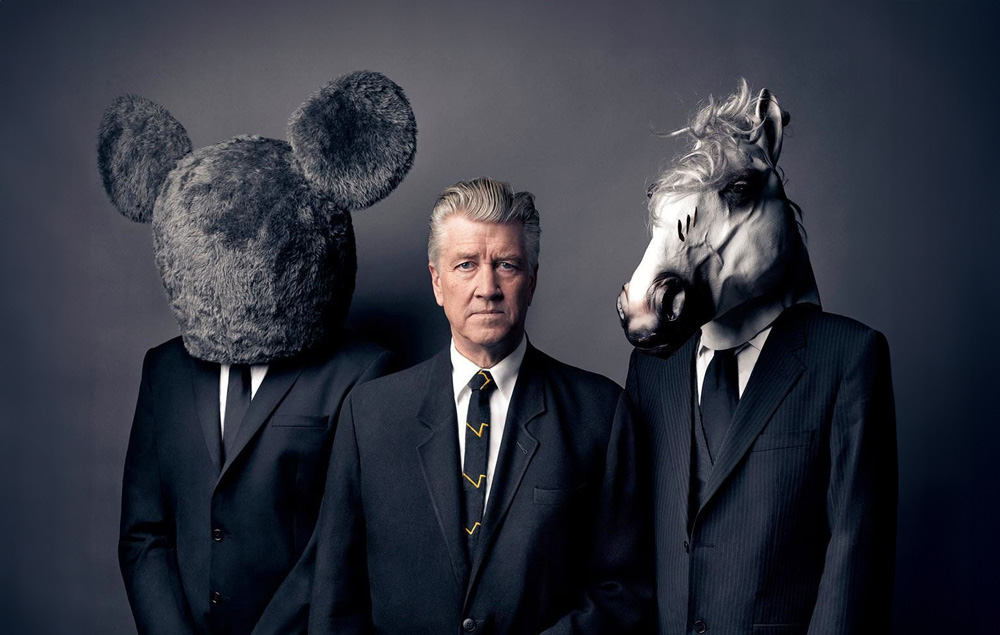

The visual art practice of David Lynch, who passed away last year, extending beyond cinema, is being revisited through works from different periods in an exhibition opening at Pace Gallery Berlin from January 29 to March 29, 2026.
Following the death of David Lynch on January 16, 2025, the void left in the worlds of cinema and contemporary art continues to be felt not only through his films, but also through the objects, sketches, and visual works he left behind. The new exhibition at Pace Gallery Berlin stands out as a key point of reference within this renewed look at Lynch’s multidisciplinary practice. On view from January 29 to March 29, 2026, the exhibition brings together works from across the artist’s diverse fields of production, while also serving as a prelude to the major retrospective scheduled to open at Pace Gallery Los Angeles later this fall.
An Aesthetic Rooted in Painting
Although David Lynch is widely known as a filmmaker, he positioned himself throughout his life primarily as a visual artist. The painting education he received at the Pennsylvania Academy of the Fine Arts in the late 1960s formed the foundation of his relationship with art. Produced during this period, Six Men Getting Sick (Six Times) blurred the boundaries between painting and moving image, carrying the earliest traces of the aesthetic language Lynch would later develop.
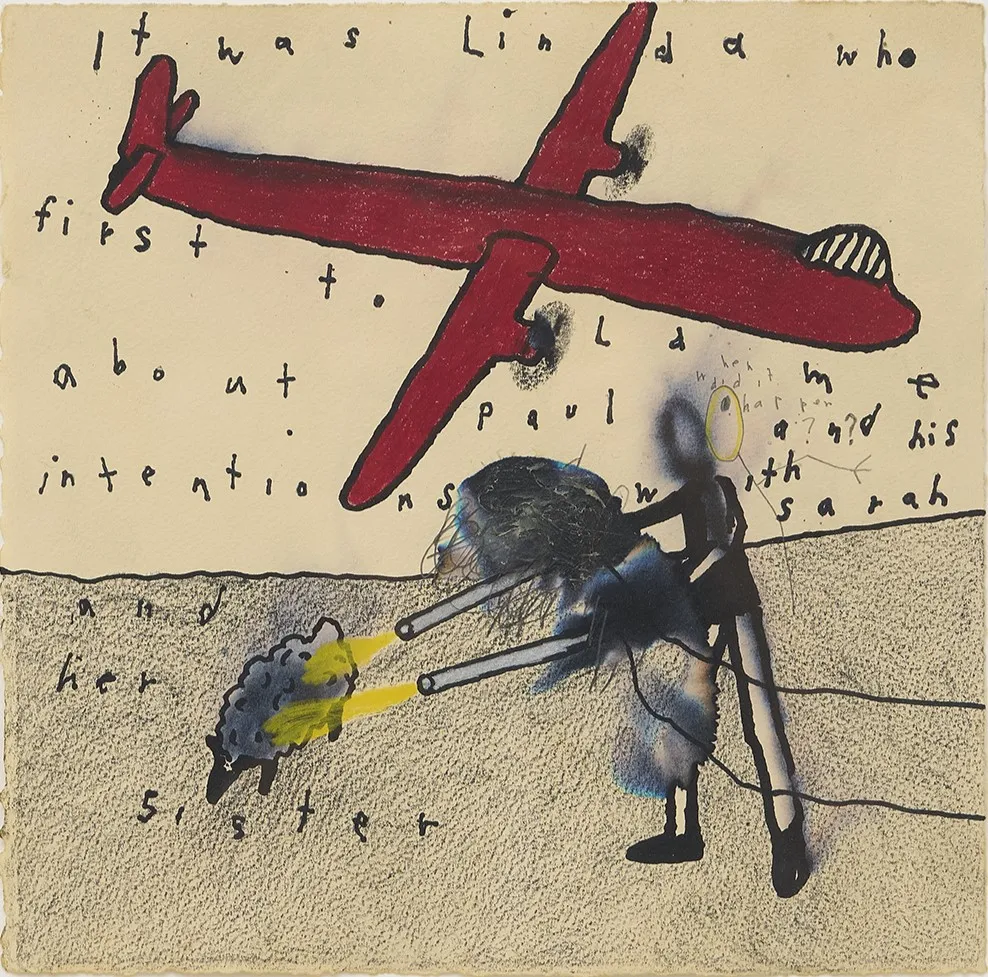
The exhibition in Berlin offers the opportunity to read Lynch’s multi-layered practice through works spanning different periods. In particular, the industrial photography series he shot in Berlin in 1999—long seen by only a limited audience—emerges as one of the exhibition’s most striking sections. Constructed through abandoned factories, rusted machinery, and empty spaces, this visual universe recreates, through still images, the pervasive sense of uncanniness so often encountered in Lynch’s cinema.


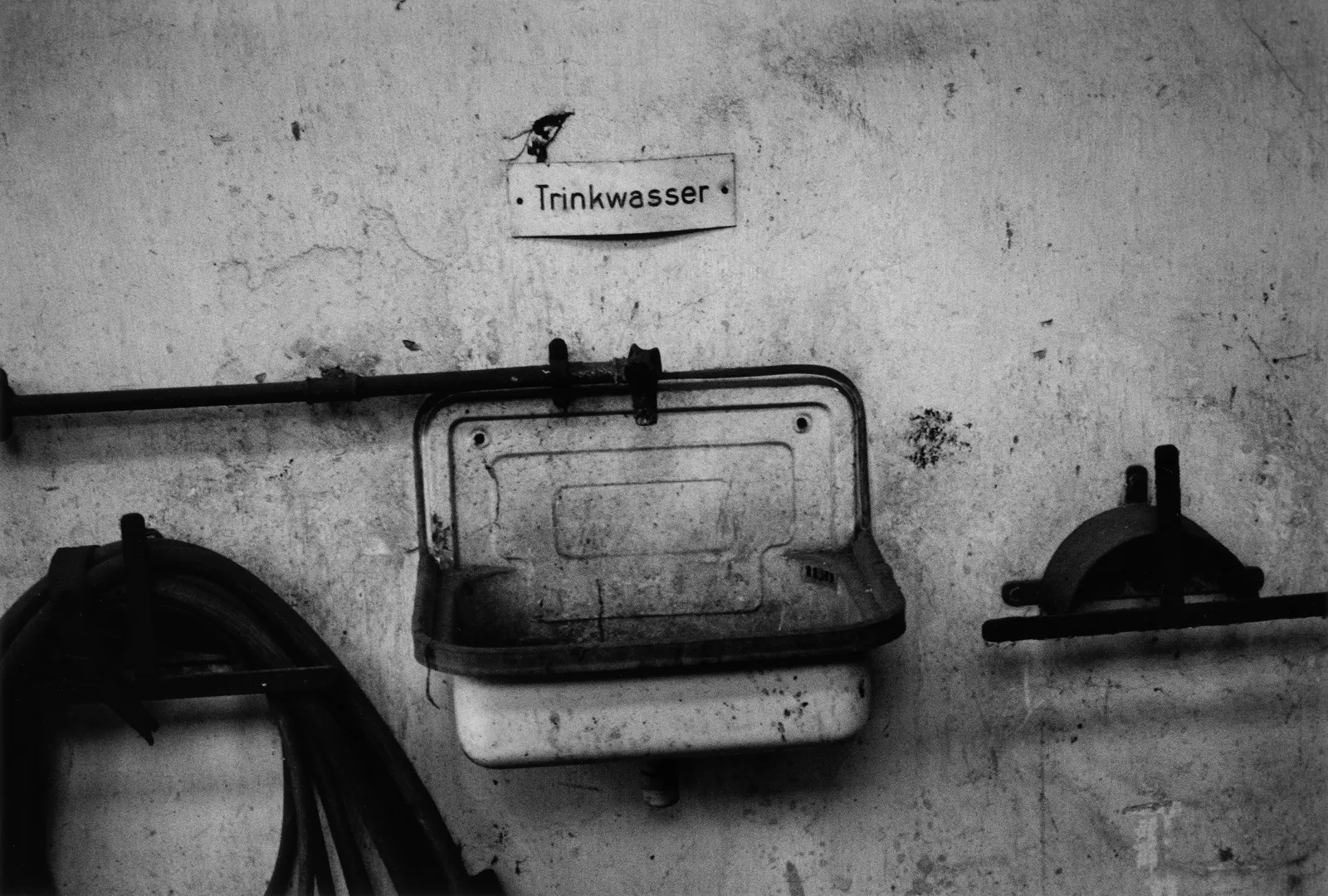
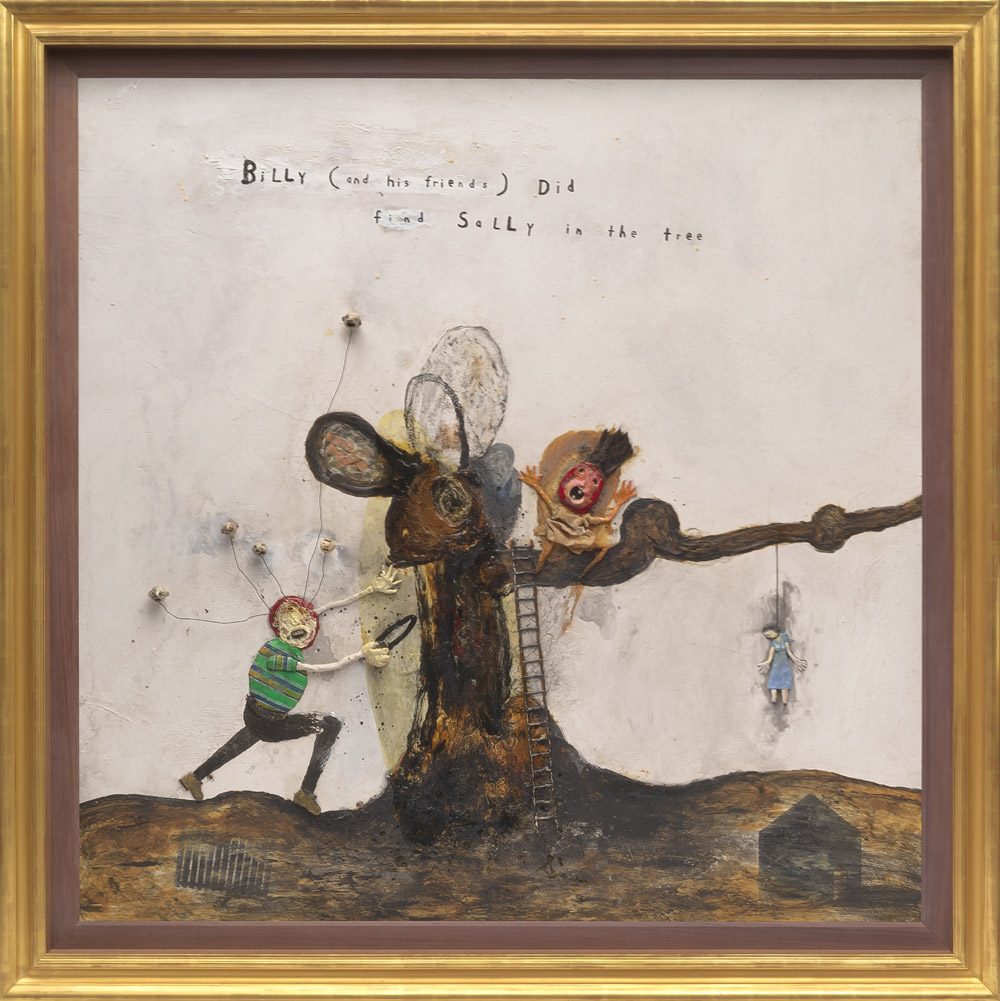
The photographs are exhibited alongside paintings and watercolors that intertwine with text, images that suspend rather than resolve the narrative. Presented in frames designed by Lynch himself, these works—dominated by red and yellow tones—make the physical presence of the artwork an inseparable part of the narrative. The exhibition also includes lamp sculptures produced using steel, resin, plexiglass, and wood. These sculptures bring not only light into the space, but also Lynch’s obsession with atmosphere-making. Spanning the years from 1999 to 2022, the selection points to Lynch’s visual relationship with Berlin while also making visible the remarkable coherence and integrity of the body of work he left behind after his death.