
Focusing on museums scheduled to open in 2026, this selection traces the emergence of new cultural institutions across different cities. Spanning projects from Los Angeles to Brussels and from New York to Venice, it brings together museum openings set to attract attention throughout the year through their architectural languages and curatorial programs.
At a time when museums worldwide are operating amid shrinking funding, growing public pressures, and ongoing debates around cultural representation, they continue to expand their spaces and seek new ways of engaging broader audiences. Some of these projects mark the long-awaited realization of dreams years in the making, while others involve the reintegration of industrial or historic structures into the cultural memory. Shaped by lengthy construction processes, unexpected budget increases, and intense public debate, these projects share a common trait: upon opening, they are poised to attract both large crowds and critical scrutiny.
In this selection, we bring together new venues set to open their doors in 2026—spaces that invite a rethinking not only of how art is exhibited, but also of the museum’s public role.
1. Guggenheim Abu Dhabi
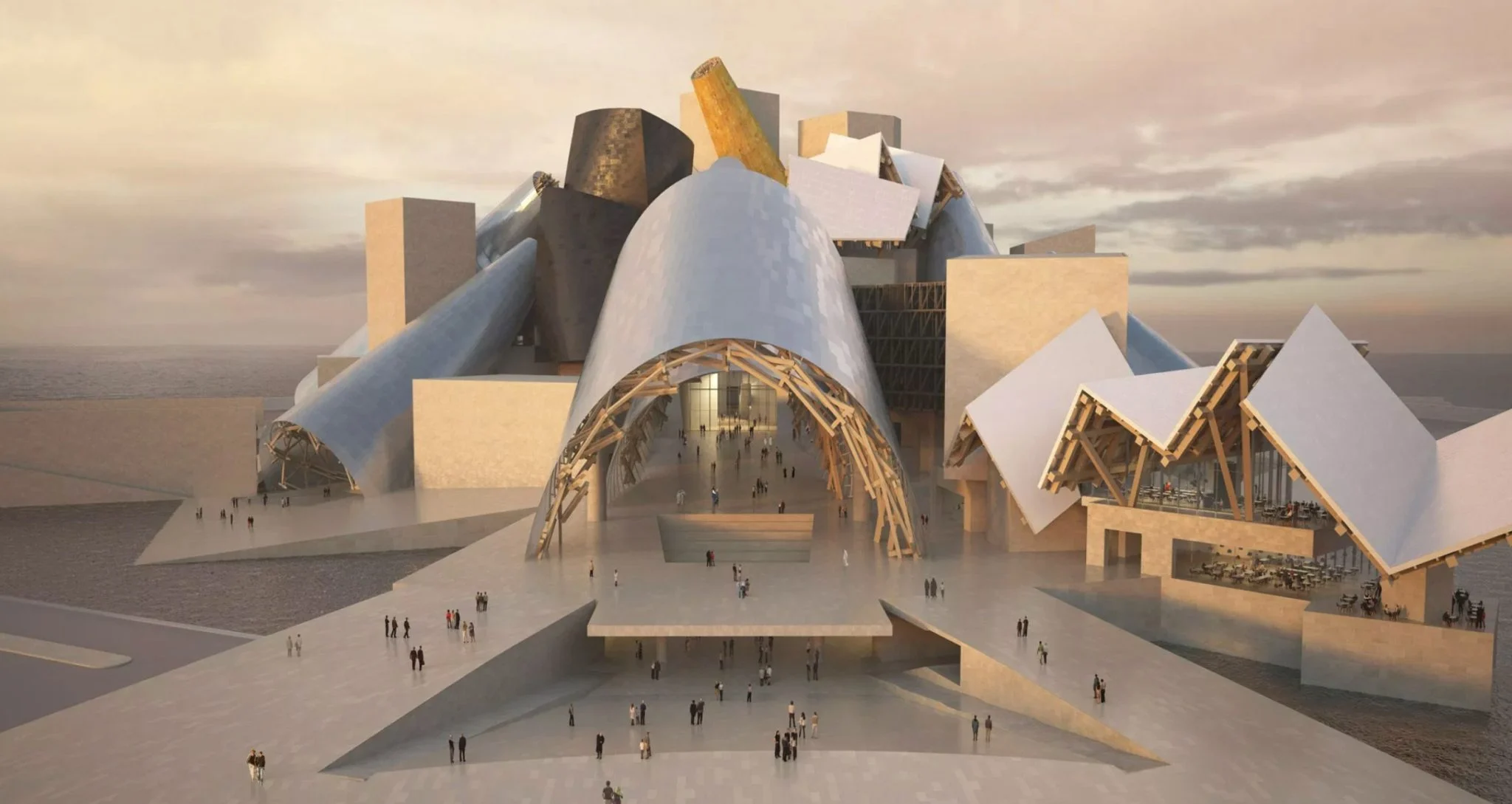
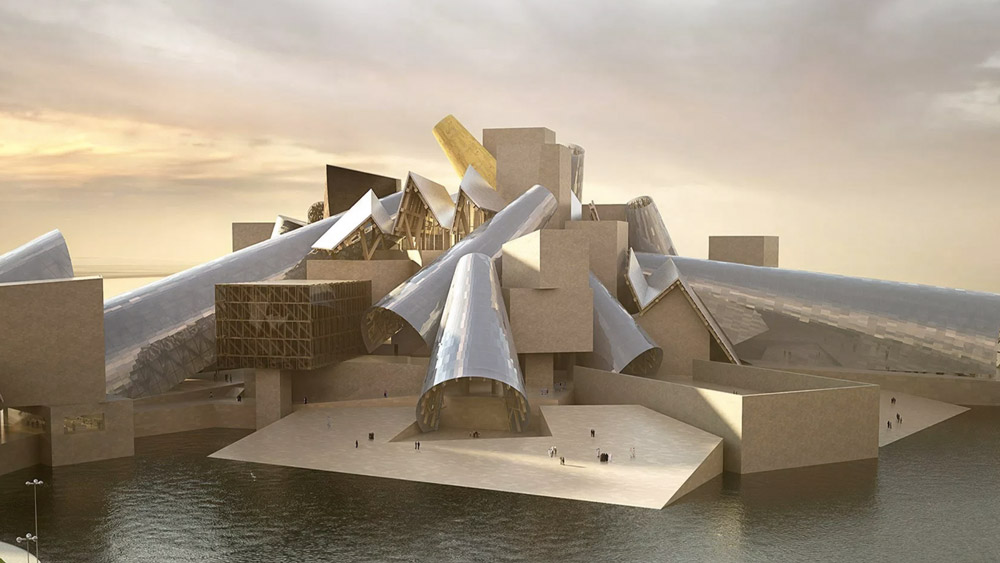
Guggenheim Abu Dhabi is preparing to open its doors after a long development process, as one of the Guggenheim Foundation’s most ambitious global projects. The Guggenheim Museum in New York announced its plans for this 320,000-square-meter building in 2006, with the architectural design undertaken by Frank Gehry. Following Gehry’s passing in recent months, the structure rising in Abu Dhabi will stand as one of the architect’s final major museum projects.
Gehry’s design for Abu Dhabi departs markedly from the fluid, sculptural formal language of the Guggenheim Bilbao. Drawing inspiration from local architectural references, the building is composed of nine metallic-clad cones designed to adapt to the desert climate. After years of delays and internationally resonant protests, Guggenheim Abu Dhabi is scheduled to open in 2026. The museum is located within the Saadiyat Island cultural district, an area shaped by large-scale cultural investments. The Louvre Abu Dhabi, which opened in 2017, and the Zayed National Museum, which has recently opened to visitors, are also situated in the same district.
Selected works from the Guggenheim Abu Dhabi collection have been presented to the public through various exhibitions prior to the museum’s opening. The museum’s exhibition program is planned to be built around a multi-centered approach, bringing together canonical figures of Western art such as Dan Flavin and Jean-Michel Basquiat with artists from Asia, Africa, and the Gulf region whose work has been less visible.
2. Lucas Museum of Narrative Art
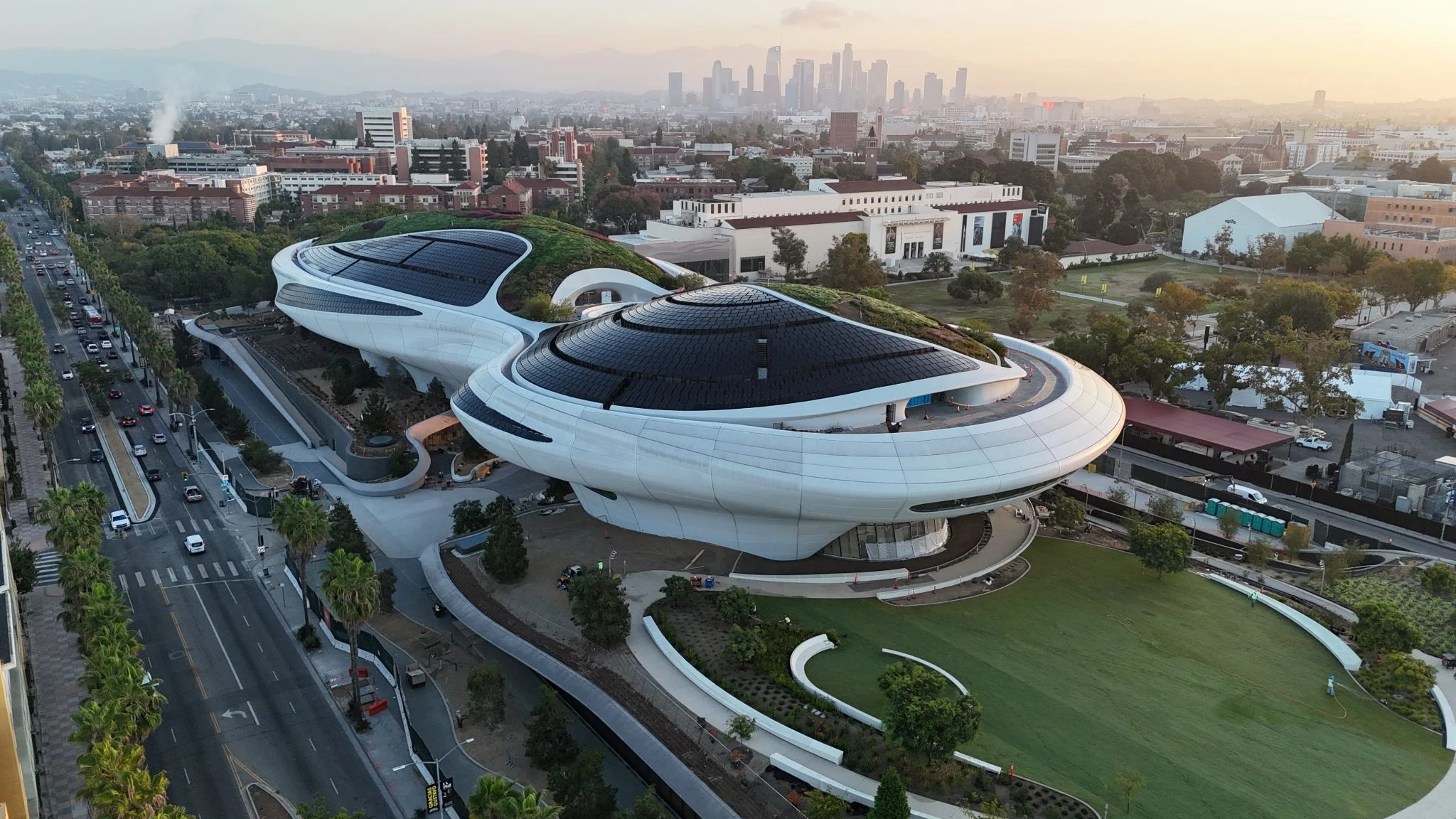
George Lucas is among those who regard cinema not merely as a form of entertainment, but as a medium in which narrative is reshaped through technology. Over more than four decades of creative practice, he has played a decisive role in the formation of what is now known as the “blockbuster” narrative language by integrating new technologies into storytelling. Scheduled to open in Los Angeles in September 2026, the Lucas Museum of Narrative Art takes shape as a spatial extension of this approach.
As its name suggests, the Lucas Museum of Narrative Art is conceived around the idea of a museum centered on narrative. Focusing on visual storytelling forms such as comics, illustration, and children’s books—long regarded as secondary within museum contexts—the institution aims to deliberately suspend the distinction between “high” and “popular” art. The preparation process, spanning approximately fifteen years and marked by numerous interruptions, has also laid the groundwork for the formation of a substantial collection that supports this vision.
Today, the collection comprises more than 40,000 works, encompassing a wide spectrum that ranges from key figures in the history of comics such as Frank Frazetta and Robert Crumb, to familiar names in American visual culture including N.C. Wyeth and Norman Rockwell, as well as contemporary artists such as Robert Colescott and Kerry James Marshall. Objects and archival materials from the Star Wars universe form an inevitable part of this narrative and are included in the collection.
The museum’s architecture likewise reinforces this emphasis on storytelling. Designed by Ma Yansong, founder of MAD Architects, the building offers a spatial proposition that plays with the boundaries between reality and fiction, even at first glance, through a form that appears to hover over the Los Angeles skyline. Lucas’s description of the museum at San Diego Comic-Con as “a temple dedicated to the people’s art” will, over time, reveal how this approach resonates within the public sphere.
3. Dataland
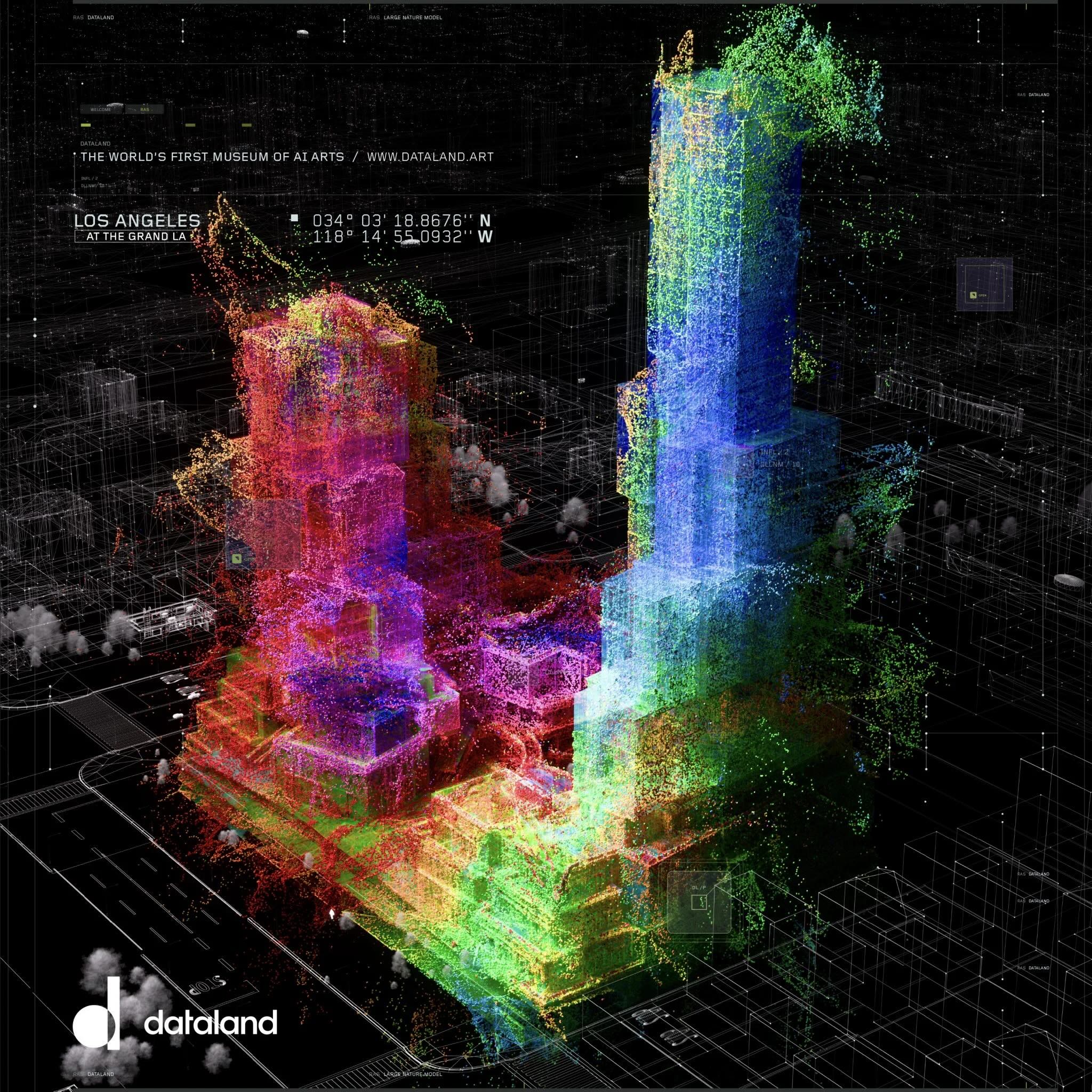
As debates surrounding the environmental impact of artificial intelligence, data usage, and economic sustainability continue to intensify, Refik Anadol has adopted an approach in his AI-based practice that places particular emphasis on questions of data use and energy sources. Scheduled to join the developing cultural corridor in downtown Los Angeles in spring 2026, Dataland aims to transform this approach into a spatial and institutional framework. According to Anadol, all datasets used at the center will be consent-based, and research will be conducted via servers powered by renewable energy.
Dataland will occupy an approximately 2,300-square-meter section of a mixed-use building designed by Frank Gehry. The center is described as a space positioned at the intersection of human imagination and the creative potential of machines. How this discourse will translate into practice, however, remains to be seen.
What is currently known is that Dataland will host an artist-in-residence program for technology-oriented artists, and that one of its five galleries will be dedicated to Anadol’s Infinity Room series, which he has developed in various contexts since 2014. This new installation, reportedly trained on half a million scent molecules, aims to offer a multi-layered experience by incorporating the sense of smell into a space constructed through projections and mirrors. Through this and similar works, Dataland proposes an experiential program that promises to transform perception.
4. David Geffen Galleries at LACMA
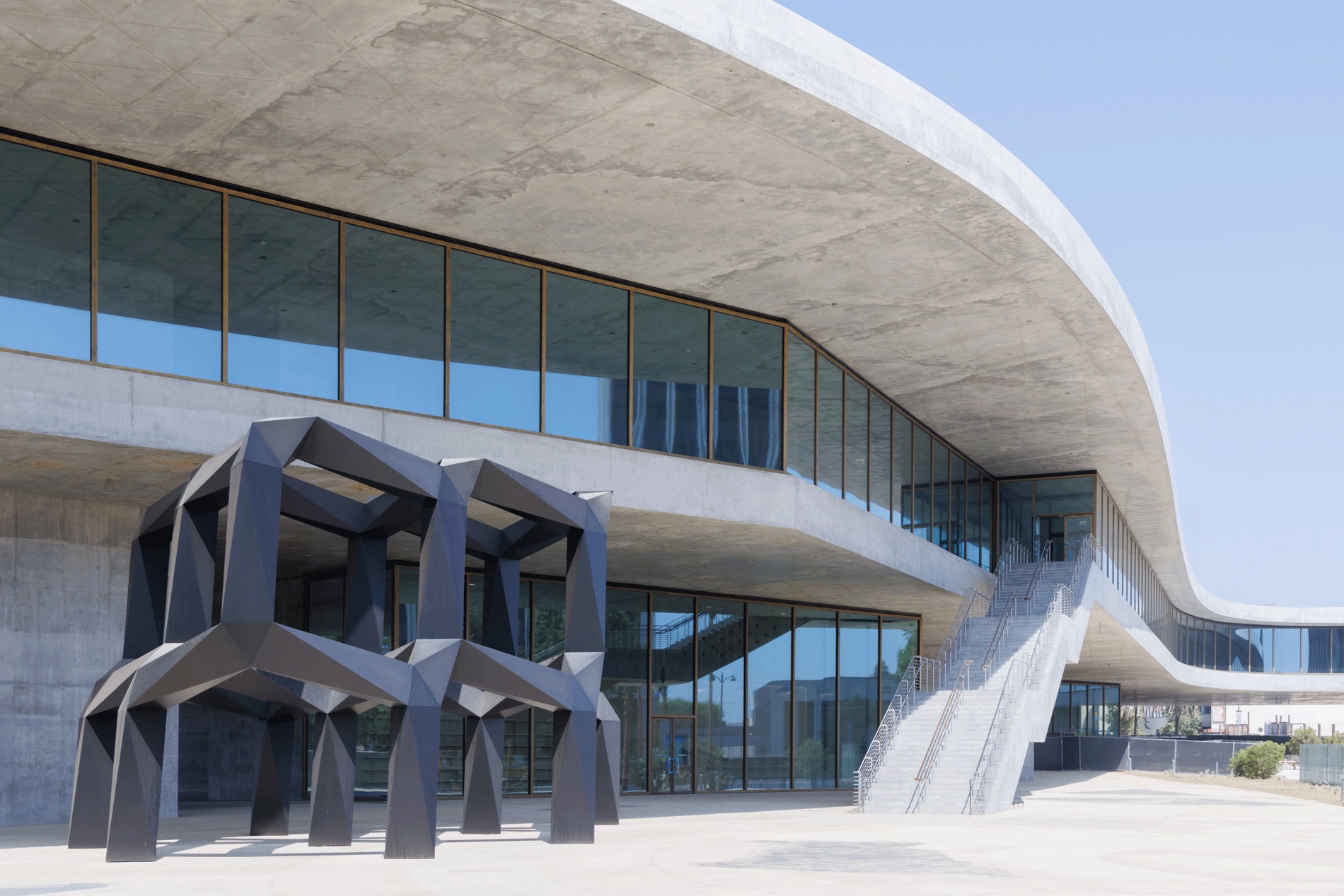
After more than a decade-long preparation process, the Los Angeles County Museum of Art (LACMA) is set to officially open the David Geffen Galleries, designed by Peter Zumthor, in April 2026. Named after music producer David Geffen, who supported the project with a $150 million donation, the building quietly opened to the public with a soft launch last summer, during which the installation of thousands of works from the permanent collection began.
The City of Los Angeles also contributed $125 million toward the construction of the new museum building. Spanning both sides of Wilshire Boulevard, the structure effectively transforms one of the city’s main arteries into a continuous exhibition space. The building’s north wing bears the name of the late museum trustee Elaine Wynn, while no donor has yet been announced for the south wing.
David Geffen Galleries draws attention not only through its enclosed exhibition spaces, but also through public art commissions distributed across the museum campus. Shio Kusaka, Thomas Houseago, Liz Glynn, Pedro Reyes, and Diana Thater are among the artists contributing outdoor works to be situated on the museum grounds. Mariana Castillo Deball is realizing Feathered Changes, a site-specific work that references the history of the campus, while Sarah Rosalena is preparing a large-scale textile installation for one of the museum’s new restaurants.
Marking the opening of the new galleries, LACMA is also revisiting its collection history. In addition to re-presenting an Alexander Calder sculpture originally commissioned for the museum’s opening in 1965, the museum plans to bring large-scale works by Auguste Rodin back into public view.
5. Crystal Bridges Expansion
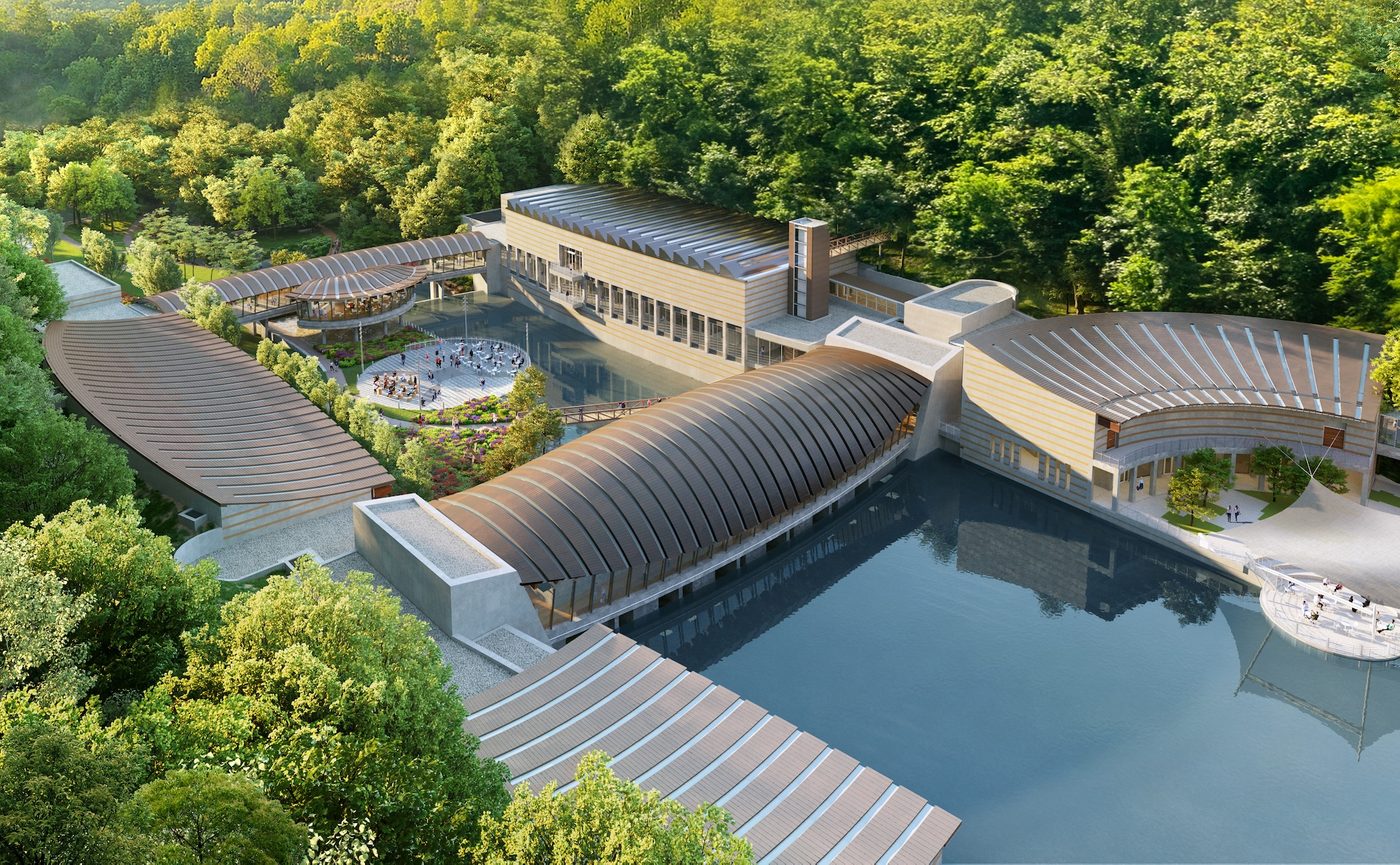
As the Arkansas-based Crystal Bridges Museum of American Art celebrated its tenth anniversary in 2021, it also announced a comprehensive expansion project set to significantly increase the museum’s scale and ambition. Designed by Safdie Architects, the new addition continues the architectural language of the museum’s original structures, which are situated over the waters of Crystal Spring. Initially planned to open in 2024, the expansion was postponed to June 6, 2026, following revisions to the project timeline.
The Crystal Bridges Expansion will increase the museum’s physical capacity by nearly 50 percent, adding 114,000 square meters of new space. In addition to exhibition galleries, the expansion includes studio spaces, dining venues, and event halls. The growing need for space is closely linked not only to institutional growth, but also to the rapid expansion of the museum’s collection in recent years. The increasingly intensive collecting activities of the museum’s founder and Walmart heiress Alice Walton have transformed Crystal Bridges into a major center for American art.
One of the most notable steps in this process was the acquisition of 200 works by more than 100 artists—from Elizabeth Catlett to Nicholas Galanin—through a donation made last September by Dallas-based collectors Candace and Michael Humphreys. Meanwhile, with the opening of the Foundations of American Art gallery this summer, the museum has begun to offer audiences early indications of the transformation to come, even before the expansion is completed.
6. Kanal Pompidou
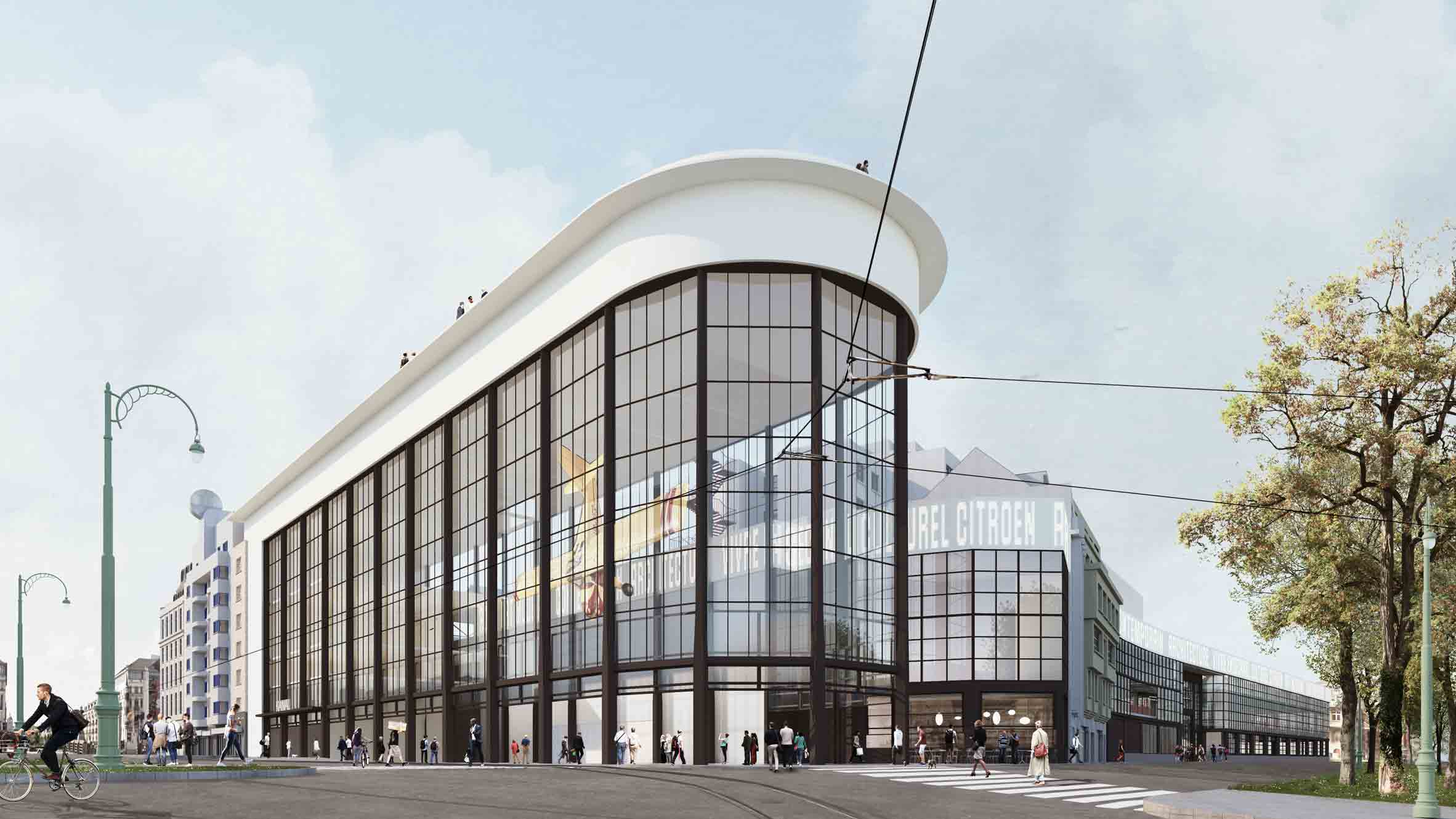
Although Brussels has long been home to strong collections and a vibrant contemporary art scene, it has lacked a large-scale museum capable of bringing this production together. Kanal Pompidou aims to fill this gap as a transformation project that brings the city’s industrial memory into dialogue with contemporary art. Launched in 2018 with the support of the Brussels Regional Government, the project repurposes a former Citroën garage—part of the city’s industrial heritage—into a museum space. Scheduled to open in November 2026, Kanal Pompidou is set to rank among Europe’s largest cultural institutions in terms of both scale and spatial design.
The institution’s first five years will take shape within the framework of a collaboration with the Centre Pompidou in Paris. The opening program is planned to feature approximately 300 works from the French institution’s collection. During this period, Kanal Pompidou aims to develop its own exhibition approach while strengthening its ties with Brussels’s contemporary art scene. In the longer term, the museum intends to shift its focus toward local production. Kanal Pompidou seeks to position itself as an institution that brings the work of Belgium-based artists into international circulation and forges connections between the city’s current artistic practices and a broader audience.
7. Memphis Art Museum
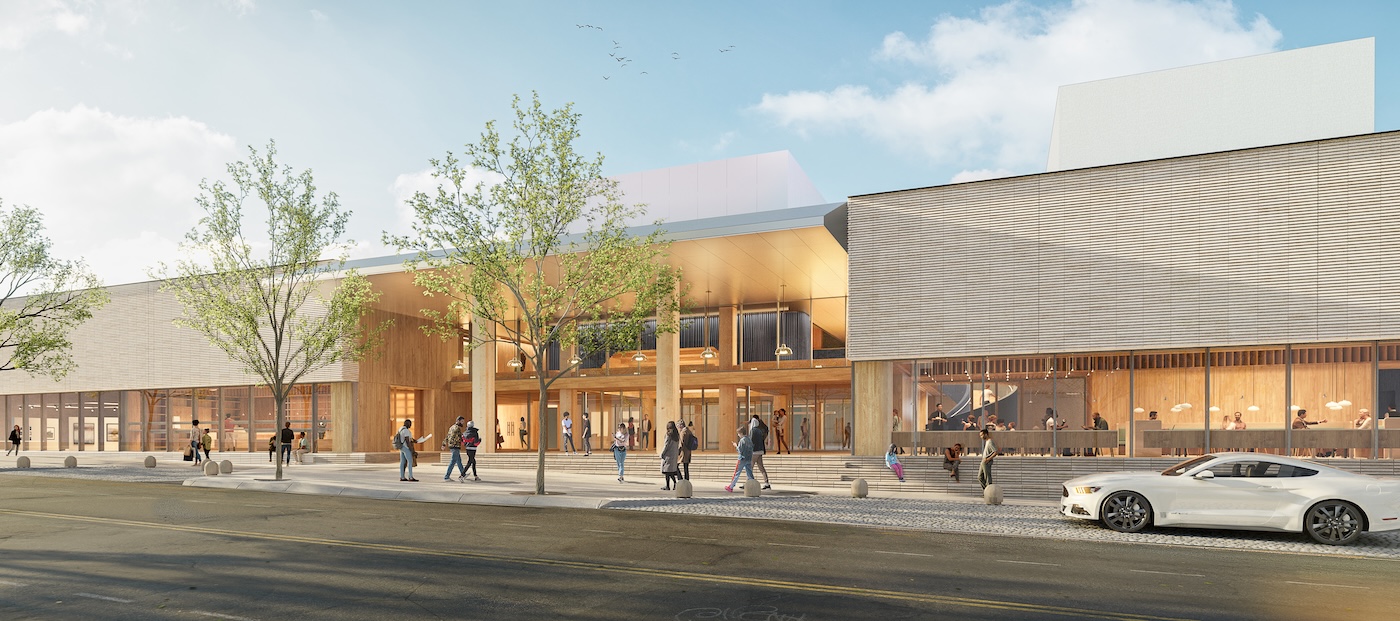
The Memphis Art Museum, Tennessee’s oldest and most comprehensive art institution, will return to the city with a new address in December 2026. Currently operating in Overton Park under the name Memphis Brooks Museum of Art, the museum aims to engage more directly with public space through its new building, located between the Mississippi River and Front Street.
Designed by Pritzker Prize–winning architectural firm Herzog & de Meuron in collaboration with Memphis-based Archimania, the 122,000-square-meter building will house the museum’s permanent collection, which spans 5,000 years and comprises approximately 9,000 works. The landscape plan by OLIN seeks to position the museum not only as an exhibition venue but as an integral part of urban life. A 10,000-square-meter community garden and a 50,000-square-meter outdoor sculpture area located on the museum roof stand out as key elements of this approach.
8. New Museum Expansion
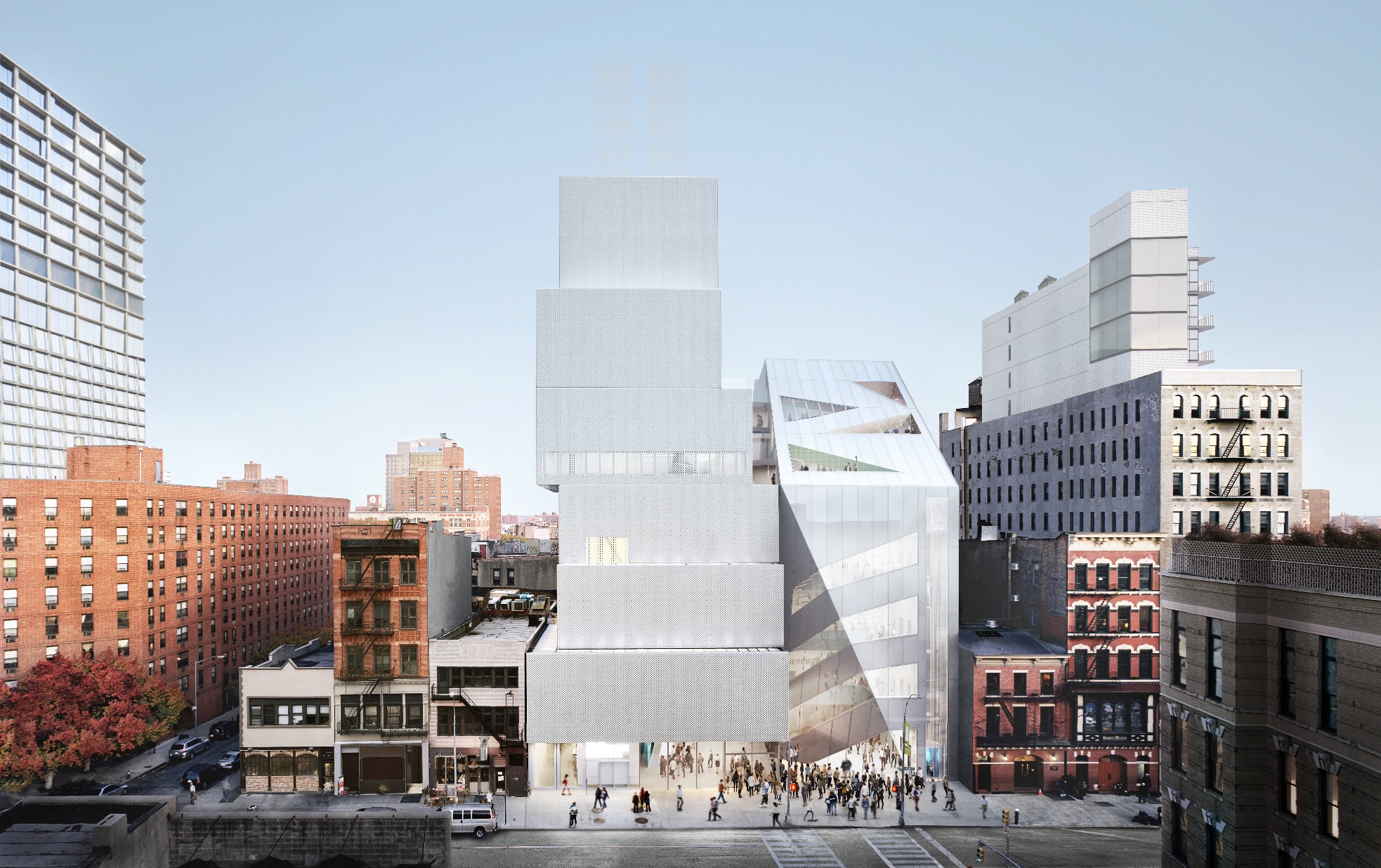
One of the most significant institutions in New York’s contemporary art scene, the New Museum is preparing to reopen in early 2026 with its long-anticipated expansion project. The museum first set out in 2016 with the goal of doubling its existing space. Initially planned to coincide with its 40th anniversary, the project expanded considerably over the years, both in terms of timeline and budget.
Construction of the approximately 60,000-square-meter addition was only able to begin in 2022. During this process, the museum abandoned plans to renovate the neighboring Bowery building and instead opted to construct an entirely new structure. Designed jointly by OMA—led by Shohei Shigematsu and Rem Koolhaas—and Cooper Robertson, the new building is conceived in direct relationship with the New Museum’s existing SANAA-designed structure. Three of the seven floors of the addition are designed to provide seamless circulation with the museum’s current galleries.
Alongside the expansion, new spaces are being created for artist-in-residence programs and public events. The museum shop will be expanded, and a restaurant will also be added to the building. In addition, NEW INC, the New Museum’s platform focused on creative initiatives, will gain a permanent home through this project.
The museum, which closed its doors in March 2024 due to construction work, initially announced a reopening in the fall, later postponing it to early 2026. The New Museum is set to mark its return with an exhibition titled New Humans: Memories of the Future, featuring 150 artists. The exhibition examines the impact of technology on humanity within a historical and speculative framework.
9. Fondazione Dries Van Noten
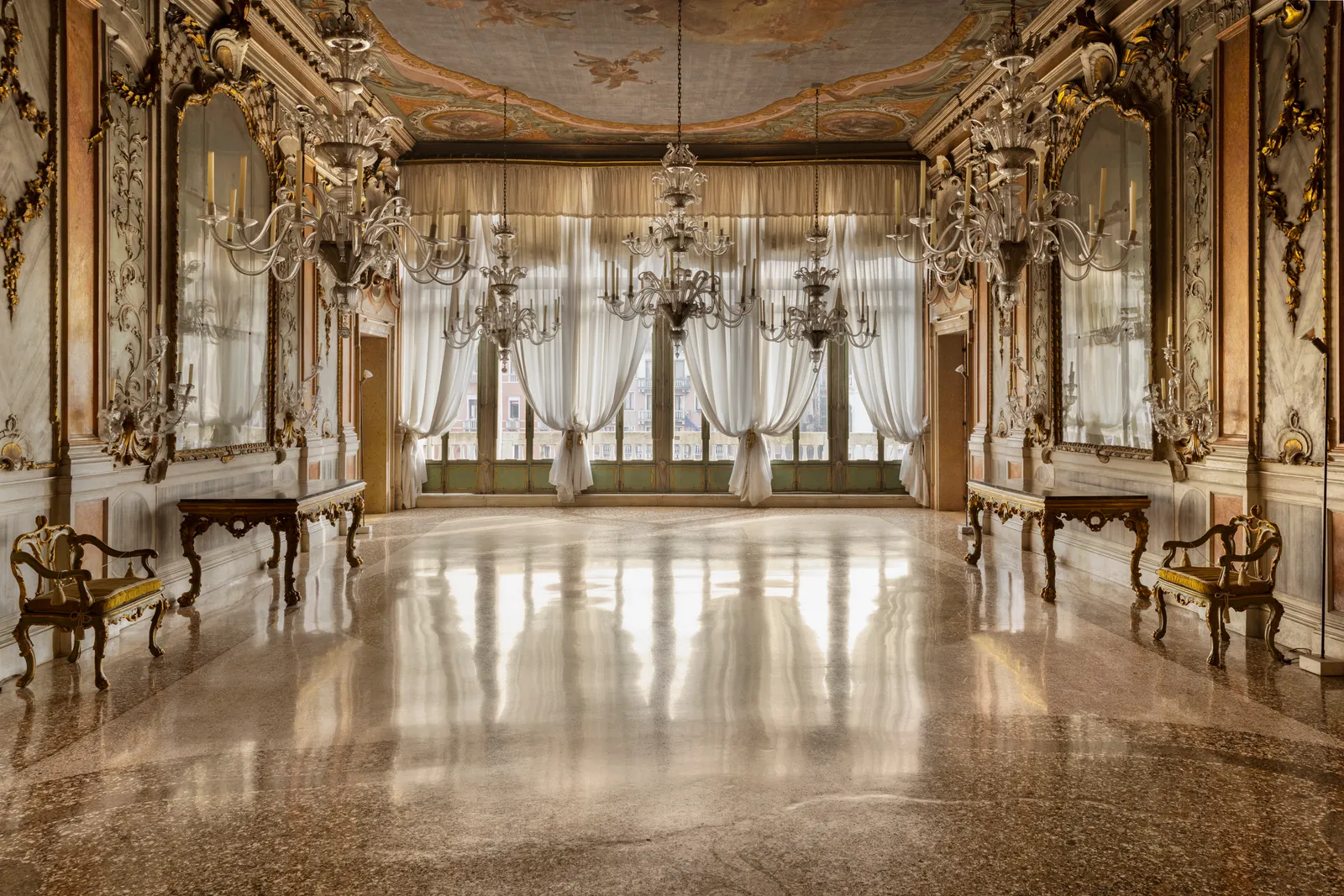
Located along the Grand Canal in Venice, Palazzo Pisani Moretta has assumed a range of roles within the city’s memory over the centuries. Built in the mid-15th century, the building has borne witness to a succession of narratives, from aristocratic gatherings and clandestine meetings to lavish masked balls and moments from the history of cinema. From April 2026 onward, this historic structure will take on a new function focused on contemporary culture.
One of the fashion world’s most distinctive figures, Dries Van Noten, together with his long-time partner Patrick Vangheluwe, has acquired Palazzo Pisani Moretta and is preparing to establish the Fondazione Dries Van Noten within it. Reportedly valued at approximately €36 million, the purchase is widely seen as a lasting cultural initiative that extends Van Noten’s practice beyond the realm of fashion.
At the heart of the foundation lies the concept of “craft,” though this notion is not confined to a narrow technical definition. For Van Noten, a third-generation tailor, craft encompasses all forms of production shaped by hand and imbued with meaning through labor. This expansive understanding—ranging from culinary culture to glassmaking—also informs the foundation’s program.
Fondazione Dries Van Noten will operate not only within Palazzo Pisani Moretta but also in a second, gallery-scale venue. Through exhibitions, artist-in-residence programs, and talks, the foundation aims to create space for contemporary production while establishing continuity between Venice’s historical fabric and present-day creative practices. As Van Noten describes it, the initiative proposes a structure in which craft, culture, and memory are considered together, rather than merely serving as a platform for contemporary production.
10. Canyon
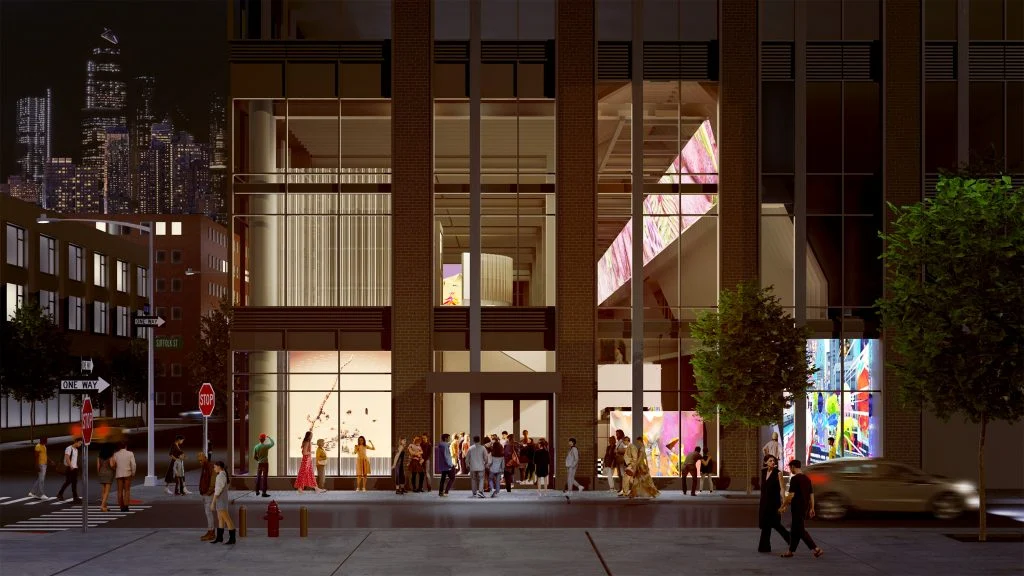
Taking shape toward 2026 in New York’s Lower East Side, Canyon is set to join the city’s contemporary art landscape as a new cultural venue focused on video, sound, and performance art. The approximately 18,000-square-meter space briefly opened its doors last November to host a work by Ayoung Kim produced for Performa, offering an initial glimpse into the venue’s potential.
Named by digital artist Ian Cheng, Canyon is being realized through the transformation of a former retail space. The renovation, led by New Affiliates Architecture, reimagines the site—while preserving its raw, industrial character—as a flexible cultural venue where different disciplines can converge. Construction is planned to be completed before the end of 2026.
Canyon will not have a permanent collection. Instead, the space proposes a program shaped around production and experience. The expansive main hall, partially located underground, aims to establish a setting for everyday encounters through its café, restaurant, and bar areas. A 260-seat performance hall and smaller-scale screening spaces further support the venue’s multi-layered use.
The project is financed by Robert Rosenkrantz, who also serves on the board of the Whitney Museum, while its directorship is undertaken by Joe Thompson, former director of MASS MoCA. With a program centered particularly on performance and new media, Canyon aims to attract not only art audiences but also a broader range of communities.
Operating on three exhibition cycles per year, Canyon’s opening program reflects this approach. Alongside an extensive retrospective focusing on Japanese new media artist Ryoji Ikeda, the exhibition Worldbuilding, curated by Hans Ulrich Obrist, will explore intersections between art and game culture.
11. Tang Wing for American Democracy
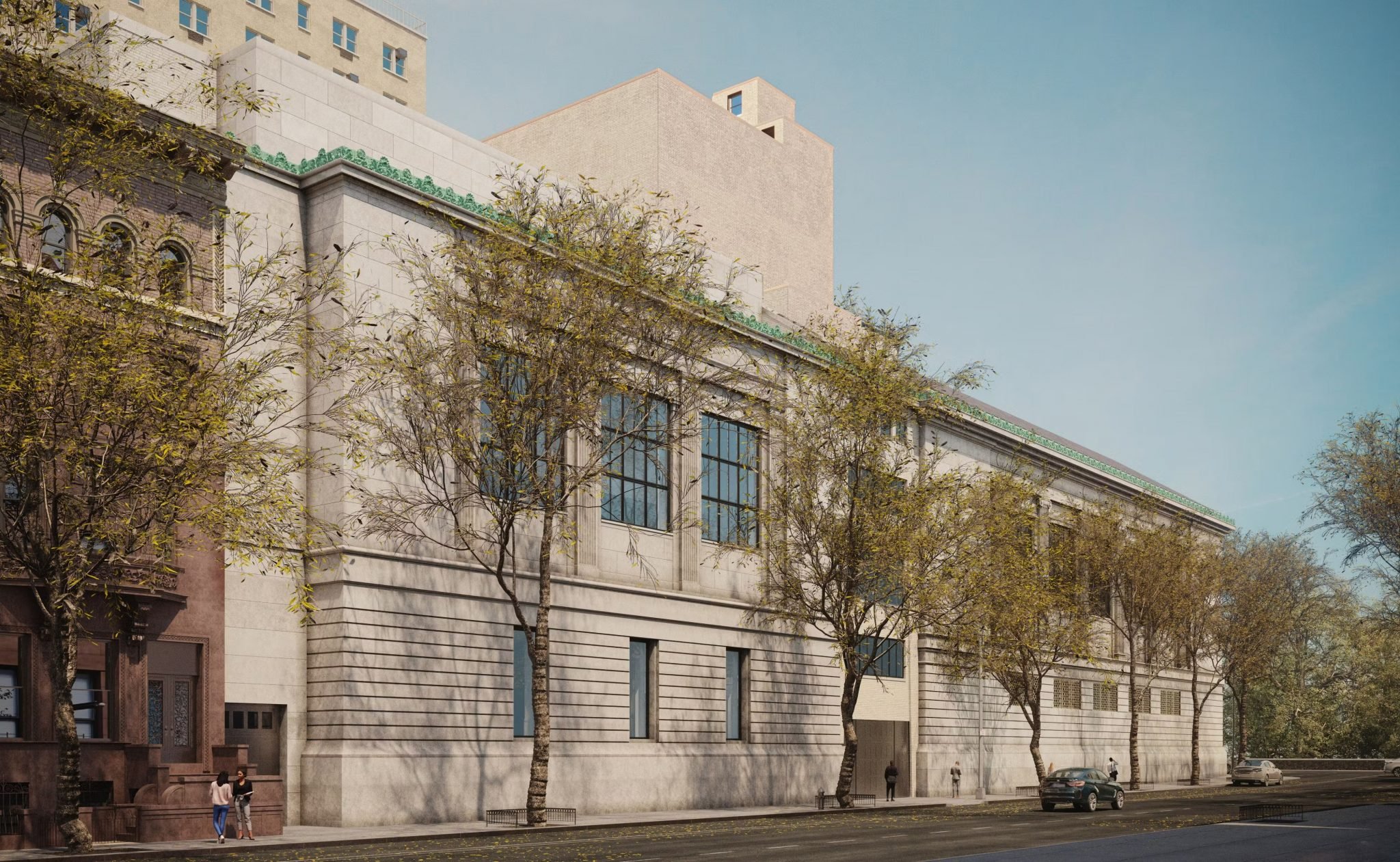
As the United States approaches its 250th anniversary, New York Historical is preparing to welcome audiences with a new building that expands the institution’s scale and public ambition. Designed by Robert A. M. Stern, the Tang Wing for American Democracy will open in June 2026 and will reframe the museum’s narrative focus directly around the concept of democracy.
Realized through a $20 million donation by Agnes Hsu-Tang and Oscar Tang, the 71,000-square-meter new wing is conceived as a multi-layered structure bringing together diverse functions. The building will house the Klingenstein Family Gallery exhibition space, the Stuart and Jane Weitzman Shoe Museum, archival areas dedicated to the Patricia D. Klingenstein Library, and a conservation laboratory. In addition, beginning in 2027, the American LGBTQ+ Museum will establish its permanent home within this structure.
The opening of the Tang Wing is conceived in conjunction with New York Historical’s exhibition program for 2026. One of these exhibitions, House Made of Dawn: Art by Native Americans, 1880–Now, is based on a selection of more than one hundred works, objects, and rare books that Agnes Hsu-Tang and Oscar Tang have pledged to donate to the museum. The exhibition aims to examine the work of Native American artists within a framework of historical continuity. The opening exhibition of the Klingenstein Family Gallery, Democracy Matters, will narrate the story of American democracy through objects selected from New York Historical’s collection.