
The story of Mamut—a platform that brings together young, independent talents with art professionals—began nearly twelve years ago, when Seren Kohen Ojalvo and Ekin Kohen observed the significant challenges faced by emerging and independent artists in Turkey’s art scene. After six months of preliminary research, they mapped out the needs and expectations of the sector in detail. As these insights merged with the ideas taking shape in their minds, a new discovery space emerged—one that promised visibility and opportunity for young talent. This is how Mamut took root. Today, with its 12th edition, it continues to serve as a genuine professional stepping-stone for early-career artists.
Held on the fourth floor of Yapı Kredi bomontiada, the 12th edition brings together the works of 33 young artists from cities across Türkiye, spanning printmaking to bio-art, sculpture to kinetic installation. Showcasing a wide range of expressive forms embraced by the new generation, the selection reflects Mamut’s supportive professional structure, which can also be explored at www.mamutlimited.com. Parallel to the main exhibition, Mamut Limited’s new ceramics selection is on view both onsite and online.
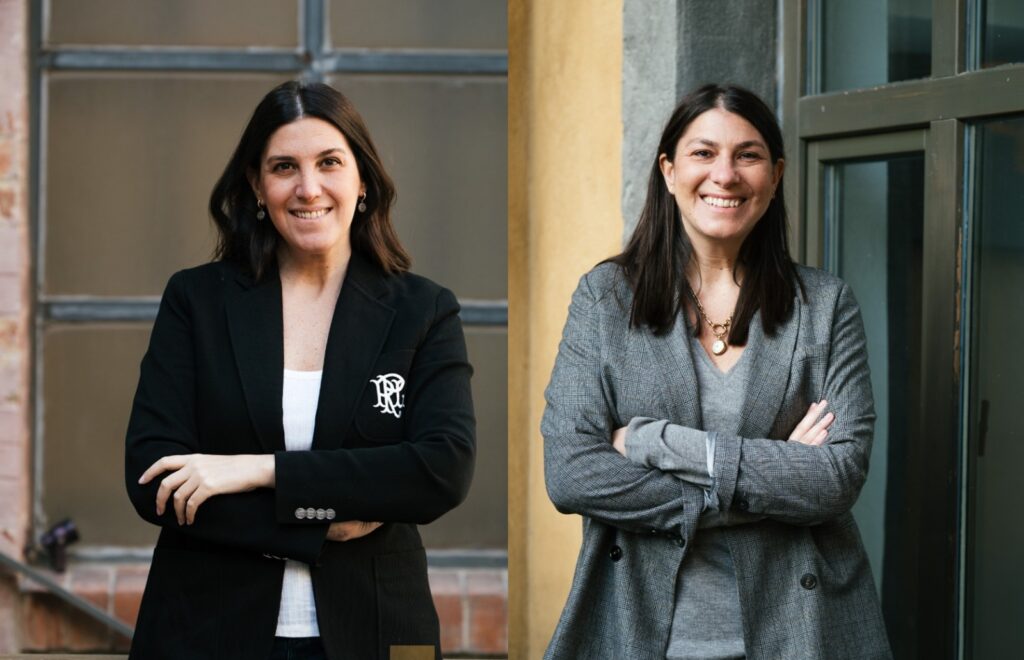
We spoke with Seren Kohen Ojalvo and Ekin Kohen about Mamut’s twelve-year journey, and interviewed five artists featured in this year’s edition—Beyza Durhan, Burcu Ejderoğlu, İkra Nur Doğrudil, Mahmut Rıfkı Ünal, and Tarık Bolancı—about their contributions to the selection.
A Space for Young and Independent Artists
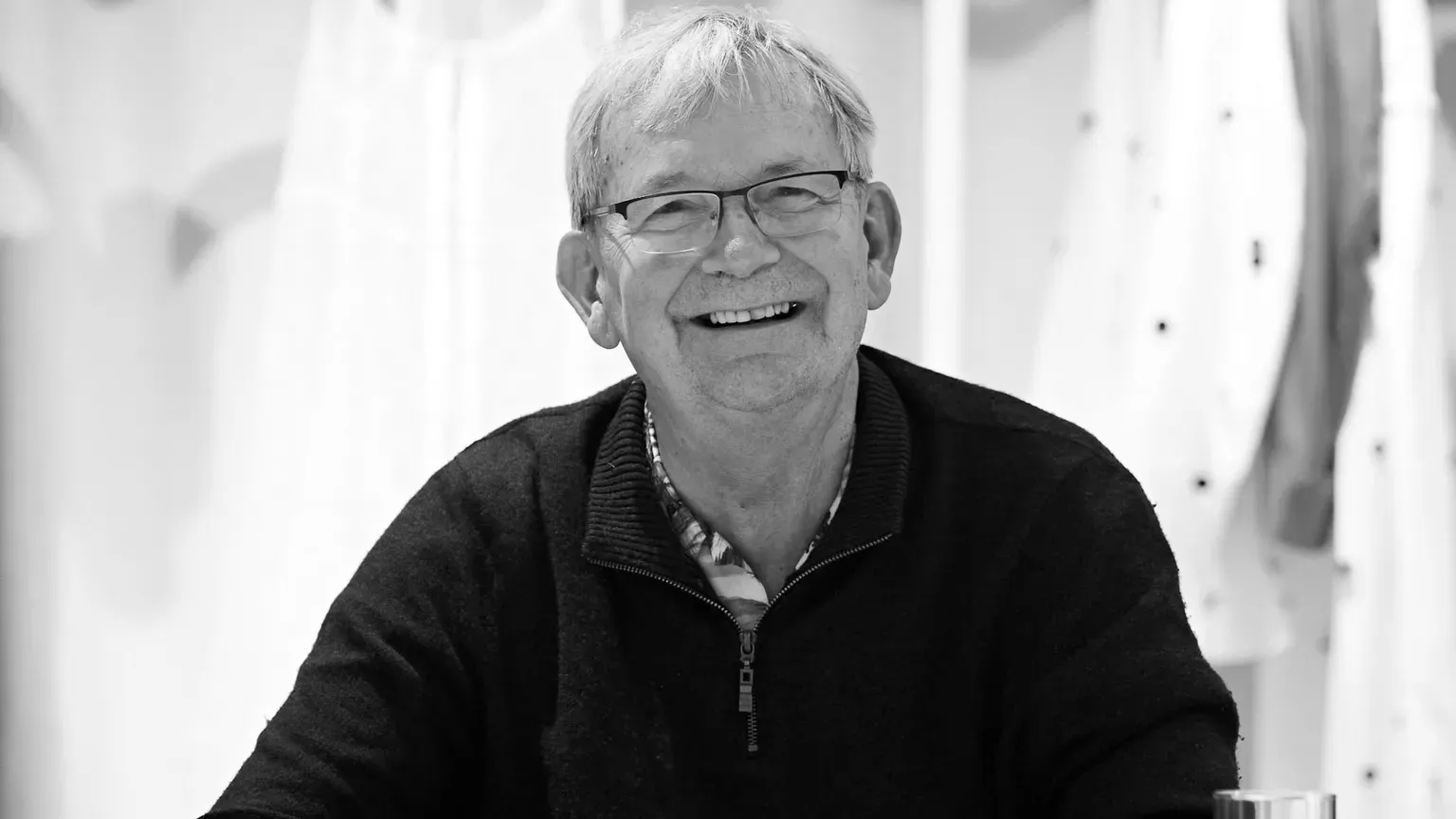
For the past twelve years, Mamut Art Project has filled a crucial gap in helping young artists transition into professional life. Looking back today, what was the core need you felt absolutely had to be addressed when founding Mamut?
SK: When I looked at the art landscape in Türkiye around twelve years ago, I saw that young and independent artists—especially those at the beginning of their careers—were facing serious difficulties. Comparing the situation with international examples, it became clear that we still lacked essential structures. This realization sparked the idea of building a new platform: one where art collecting wouldn’t remain confined to a narrow circle, where young collectors could participate, and where independent artists could gain real visibility.
For six months, I spoke with everyone I knew in the sector—listening to their experiences, needs, and expectations. As all these insights merged with the ideas forming in my mind, I began building a structure that I felt could grow into a supportive community for independent artists, both at the beginning of their careers and beyond.
Applications come from across Türkiye every year. What does regional diversity mean for you?
SK: For us, the most important thing is that every artist can apply under equal conditions. Applications come from all over Türkiye, from people of different ages and educational backgrounds. As these come together, a natural diversity emerges within the selection—both regionally and across artistic disciplines. In fact, we can say that when the process is fair, diversity arises on its own.
You offer young artists technical support, visibility, and professional guidance. In your view, in which area does Mamut have the strongest impact?
EK: First and foremost, I believe the technical infrastructure Mamut provides to young artists is incredibly valuable. Today, it’s not only the production of art that matters, but also how it is exhibited and presented. Here, artists gain experience in a fully professional exhibition environment, which becomes an important reference point in their careers.
Another significant strength of ours is the ability to connect artists with a wide range of people within the Turkish art world—collectors, curators, and art enthusiasts—in a very short period of time. This broad reach greatly increases their visibility and contributes substantially to their professional development.
Perhaps one of Mamut’s most unique impacts is its ability to create a community. Through this platform, young artists grow not only individually but also collectively, engaging with one another and sharing experiences. New friendships, collaborations, and support networks emerge—an invaluable and long-term gain in an artist’s professional life.
When all these elements come together, we create a truly sustainable and comprehensive support system for young artists. And as a team, our door is always open to them—for anything, at any time…
Since 2023, the Mamut Limited ceramics selection has been building its own ecosystem. How do you envision its long-term relationship with Mamut Art Project?
EK: Mamut Limited (ML), which we launched in our 10th year, is a platform aimed at collaborating with artists working across different disciplines and techniques, producing limited-edition works, organizing events, and providing consultancy. The foundation of ML lies in the decade of knowledge, relationships, and experience accumulated through Mamut Art Project, which has brought together nearly 550 independent artists from across Türkiye with art audiences.
These two platforms function as complementary structures that support and reinforce one another. Their relationship enriches both our projects and the artist experience, allowing the strengths of each platform to come forward. For example, this year we are presenting our special ceramics selection within the Mamut Art Project event.
SK: ML allows us to operate with greater freedom in many areas. This gives us the opportunity to build new collaborations with artists we’ve known for years as well as those we are just now discovering. Previously, an artist who participated in Mamut Art Project in a given year couldn’t return the following year; now, through ML, we are able to continue working with our former artists as well.
 Beyza Durhan
Young Artists on How Place Shapes Their Creative Processes
How have the cities where you were born, raised, and currently live influenced your practice? In what ways do regional conditions, opportunities, or limitations affect your work?
Beyza Durhan: I was born, raised, and educated in Ankara. When I moved to Şırnak as an academic, the elements that make up that geography naturally generated the material for my work. For some time now, I have been combining storytelling with biomaterials—archiving human and non-human life in a region and creating what I call “biota archives.” Biota refers to the totality of living beings in a given area. Within this understanding, inanimate things, as well as photosynthesis, breath, or even radiation, become subjects with undefined boundaries within the biota.
In this sense, the process of gathering and producing the archive is inseparable from the work itself. For example, humidity becomes a character within the narrative and the materials I create. The bioplastic I produced in Şırnak, with its dry climate, is harder, while the bioplastic produced in Istanbul is more elastic and dries more slowly. One enables a sharp and precise narrative; the other renders the story more delicate, even slightly ironic.
Burcu Ejderoğlu: I was born and grew up in Artvin. In a way, I can say I have two villages. One is Kintsxuret, located high in the mountains of the Çoruh Valley—the house you see in Korosi is exactly there. My other village, Xintzkana, is on the border of Georgia. My childhood home was in the mining settlement known as “72 Houses” in Artvin’s Murgul district. What they all share are their high altitudes, dense fog, pine forests, and never-ending stories.
My work is shaped almost entirely by having grown up in this geography. Even though I now live in Istanbul, my mind and imagery constantly return to the mountains of my childhood. No matter where I move, my practice always leads me back to that nature, those foggy houses, those early memories. I consider it one of the greatest fortunes of my life. Growing up in a village has a profound impact on one’s imagination. Limited resources push you to dream, to invent your own games and stories.
In the work I produce today, I encounter that childhood state again and again. Whenever I construct a scene, I find myself imagining a foggy mountain road, mountain houses, and the small atmospheric details that belong to that landscape. Fog, mist, mountain homes, local animals, and regional beliefs are not just a backdrop to me—they are characters in their own right. In Korosi and in almost all my works, they inevitably find a place.
İkra Nur Doğrudil: The biggest difference between the city I grew up in and the city I live in now was the lack of a space to exhibit my work. Having access to such spaces here, and encountering artists who produce in different ways, became a strong source of motivation for me. In that sense, I believe the city I now live in has positively shaped my practice.
Mahmut Rıfkı Ünal: Every geography I’ve lived in has left a different layer within my artistic process. My visual experience began with the vast and harsh surfaces of nature, teaching me that place requires awareness and presence. Later, the dense urban fabric I encountered revealed how the relationship between humans and nature, and the very shape of the land, are constantly changing.
These regional shifts manifest in my work in both scale and perception. Sometimes the expansiveness of a landscape, sometimes the tightness of a city, and at other times nature’s ability to regenerate itself, become themes I explore in my practice.
Tarık Bolancı: I was born in Diyarbakır in 1981 and lived there, for the most part, until 2015. This long period shaped the political and social sensitivities that underpin my work. The intensity, chaos, and cultural diversity of Istanbul now offer me constant visual material and intellectual tension. These conditions can sometimes provide opportunities and sometimes create limitations—such as spatial constraints or economic challenges that shape my production process. Yet it is precisely these limitations that push me to find new solutions, making my practice more flexible and more critical.
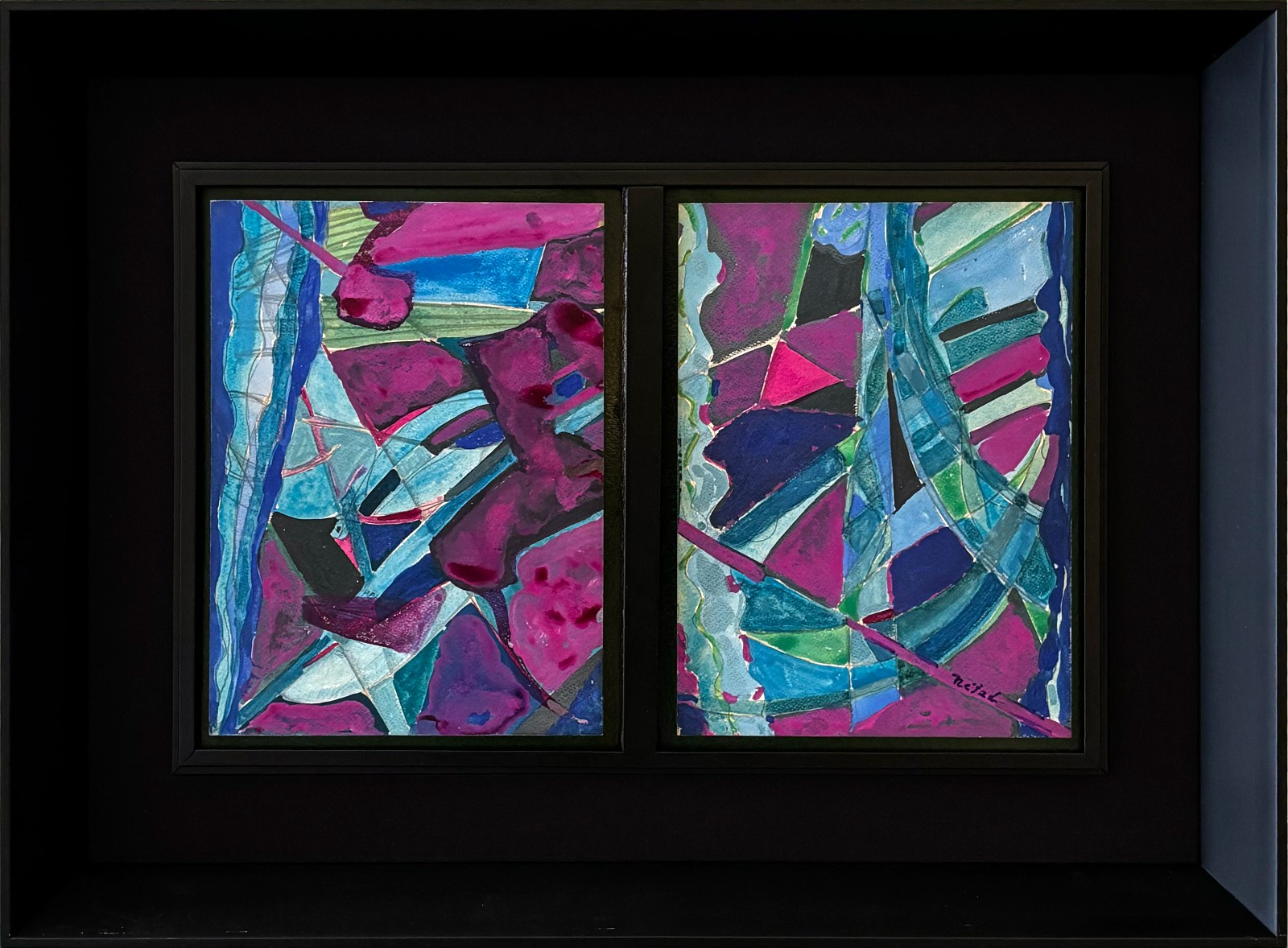
 Mahmut Rıfkı Ünal, Büyük Çiftlik
How does the question, feeling, or area of research currently occupying your artistic practice manifest in the work you are presenting at Mamut? Could you describe the starting point of this piece and the kind of relationship you hope to establish with the viewer?
Beyza Durhan: In recent years, my projects have revolved around two central questions. First: How does the vitality of the non-human influence the story of the world? And second: How local can an artwork’s material truly be? The process that begins with these questions evolves into a biota archive shaped by non-human forces—including air and humidity. For instance, I revisit an event I observed in the wild or a regional narrative by cutting and reshaping biomaterials, creating new collaged stories. I move between mediums to articulate my site-focused observations and research.
In short, I construct the materials of the wild and the non-wild through the lens of a new experience. At Mamut, I will be presenting the reciprocal construction process I develop with the wild—the very essence of my research. As memories and observations from the region merge with material, the work reveals how it is continuously altered by agents beyond myself, narrating this transformation through stories. My aim is not merely to display an observation, but to allow the interplay between material and observer to remain open to intervention—so that the research may generate new meanings across different layers.
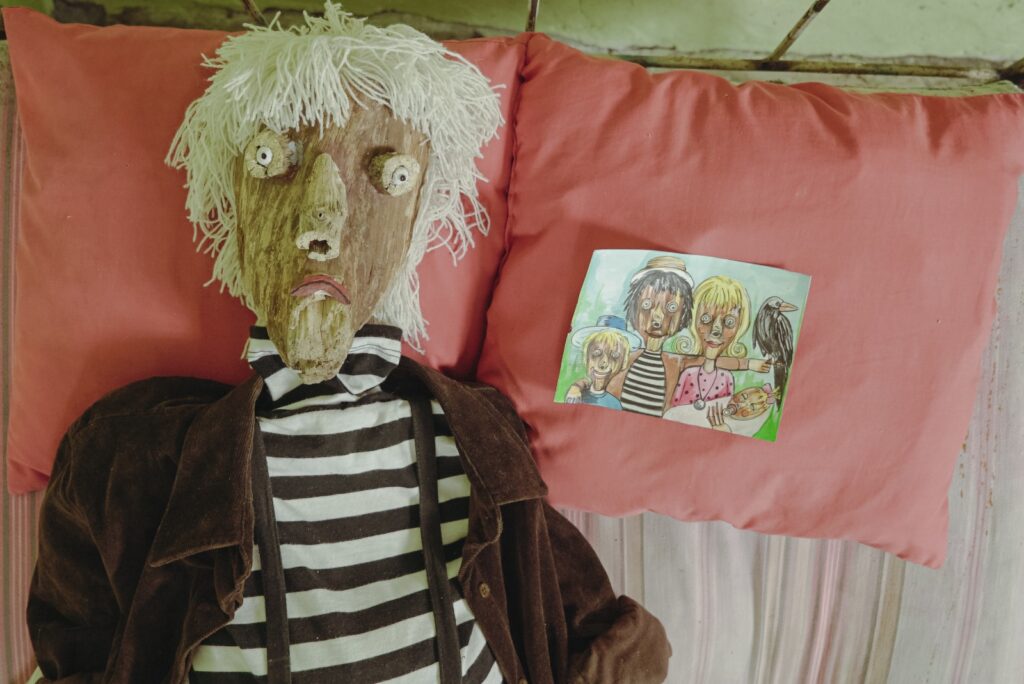
Burcu Ejderoğlu: How can one make peace with loneliness and with the reality of death? Must death always be feared and fled from, or can it sometimes be a reunion, a form of completion? Korosi emerged directly from these questions. When I turned my childhood home into a film set, I imagined an elderly character living there alone. Because I encountered death at a very young age, Katsi became a kind of embodiment of my early losses. Even though we see him in his daily routines, at the heart of the film lies a quiet acceptance of knowing life is nearing its end.
I was haunted by a single image: an old man sitting on a chair facing the Green Mountains, closing his eyes and smiling gently as the fog rises. The atmosphere of Korosi formed around this image. It is not a story that speaks loudly—it whispers. I want to leave space for the viewer to see their own family, childhood home, and losses when they look at Katsi. I also believe that having the physical presence of the Katsi figure at Mamut Art will create a powerful encounter—one that strengthens this deeply personal yet widely shared emotion.
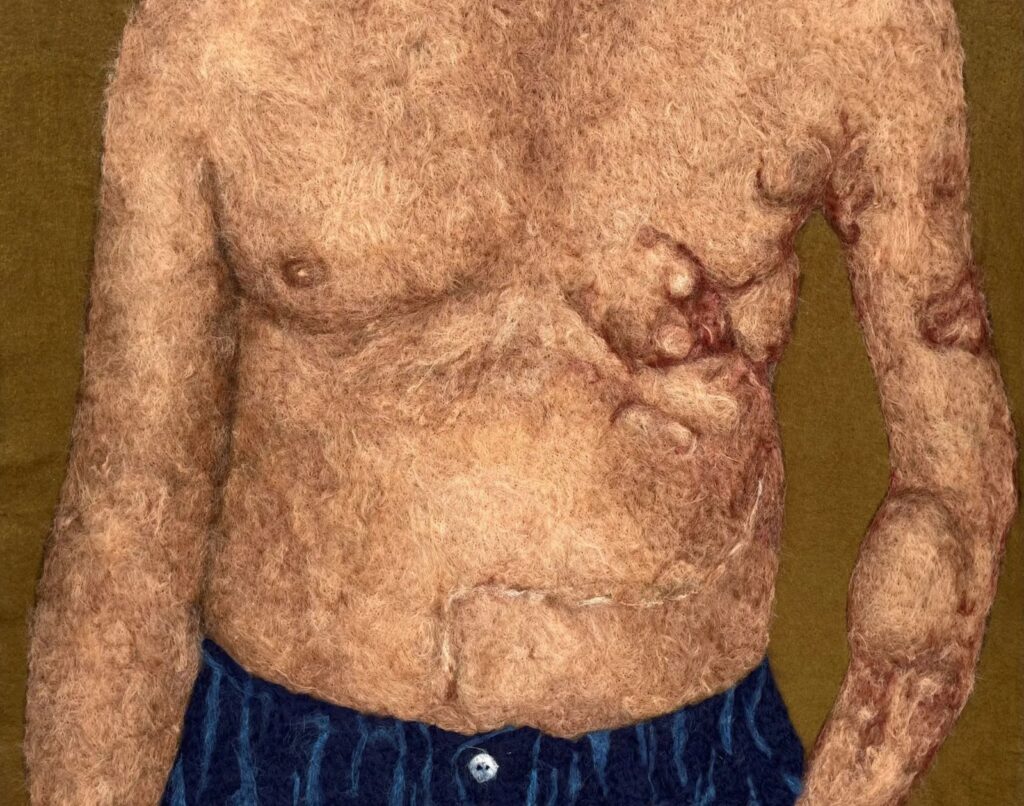
İkra Nur Doğrudil: The question that occupies me most is how we construct boundaries around the body and how we relate those boundaries to ourselves. The works I am exhibiting at Mamut respond directly to this question. I hope viewers, too, will reflect on their own bodily limits as they encounter these pieces.
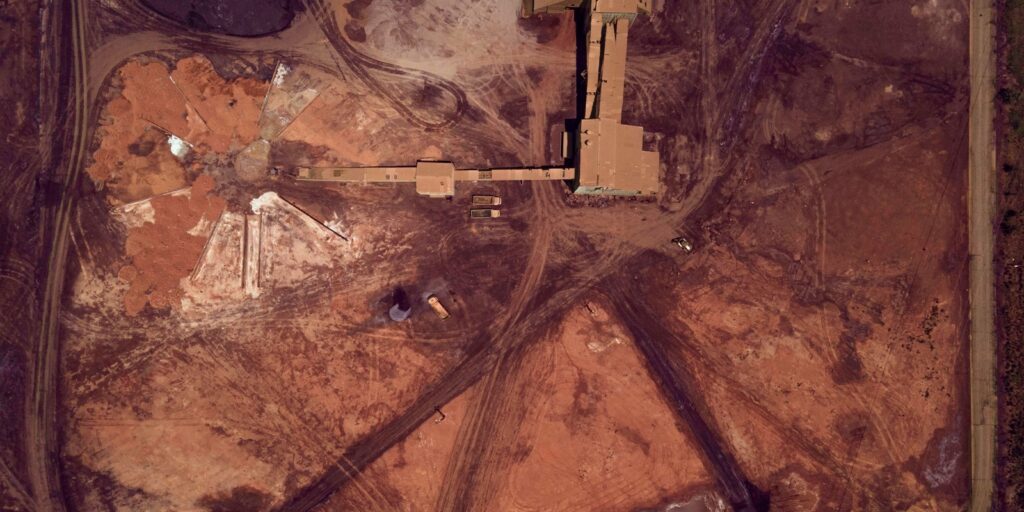
Mahmut Rıfkı Ünal: Recently, the question preoccupying my practice is how human impact on the environment—sometimes visible, sometimes invisible—leaves a temporal trace. What pushes me to work is the idea that soil, water, or a landscape is never simply what it appears to be; beneath it lies a constantly shifting, sometimes suppressed story. My works at Mamut Art are shaped around precisely this line of inquiry. They also form part of my proficiency in art project. At first glance, the pieces may appear to depict a calm topography, yet they hold a tension not inherent to the land itself. Slight shifts in color, disruptions in perspective, and the ambiguity introduced by digital layers all point to a landscape transforming.
The relationship I hope to establish with the viewer is not based on direct explanation but on internal questioning. I want viewers to ask themselves: What am I looking at? and to sense the human–nature relationship embedded beneath the image. To me, transformation begins not only in the external geography but also in the ways we learn to see it.
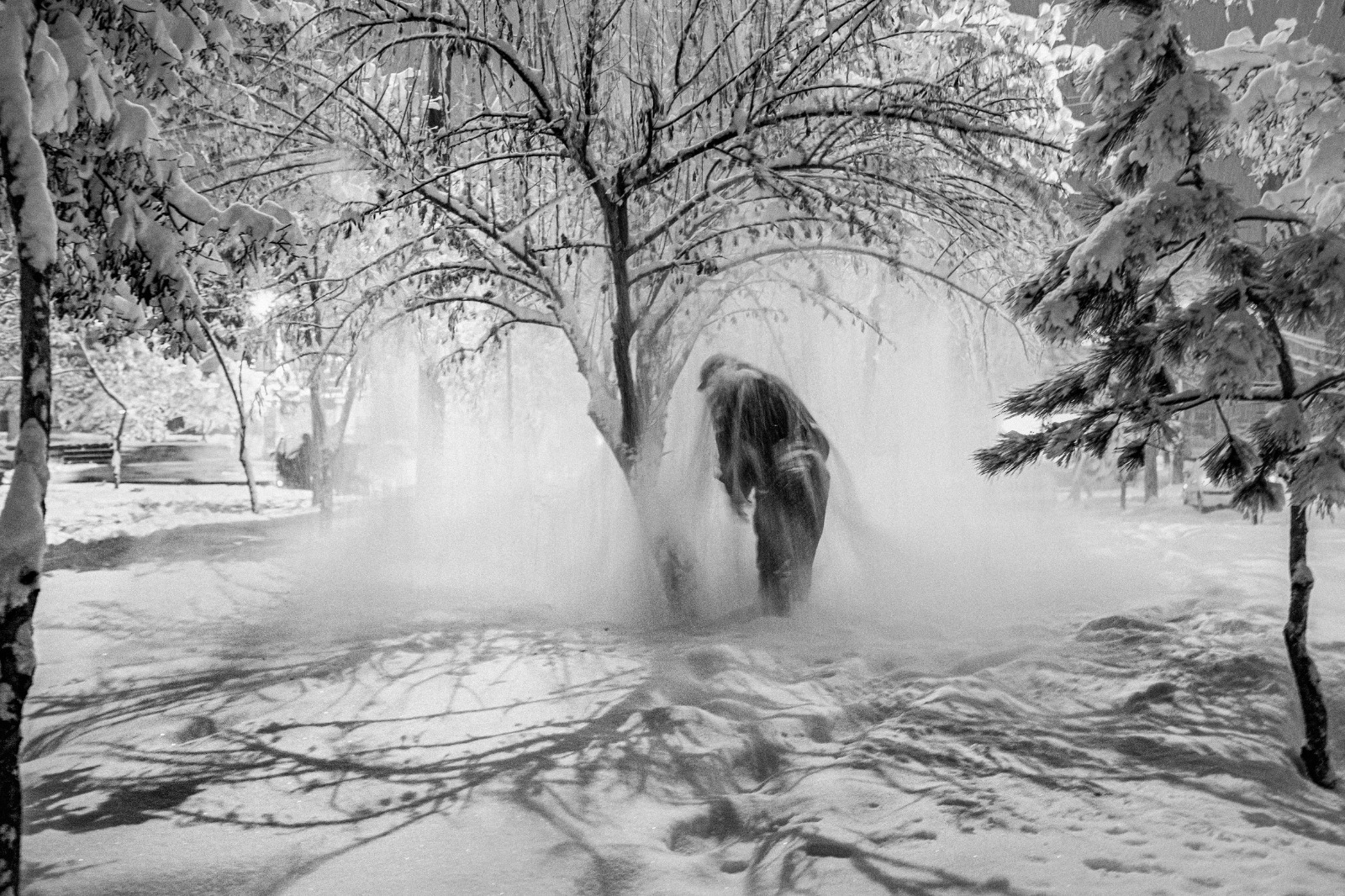
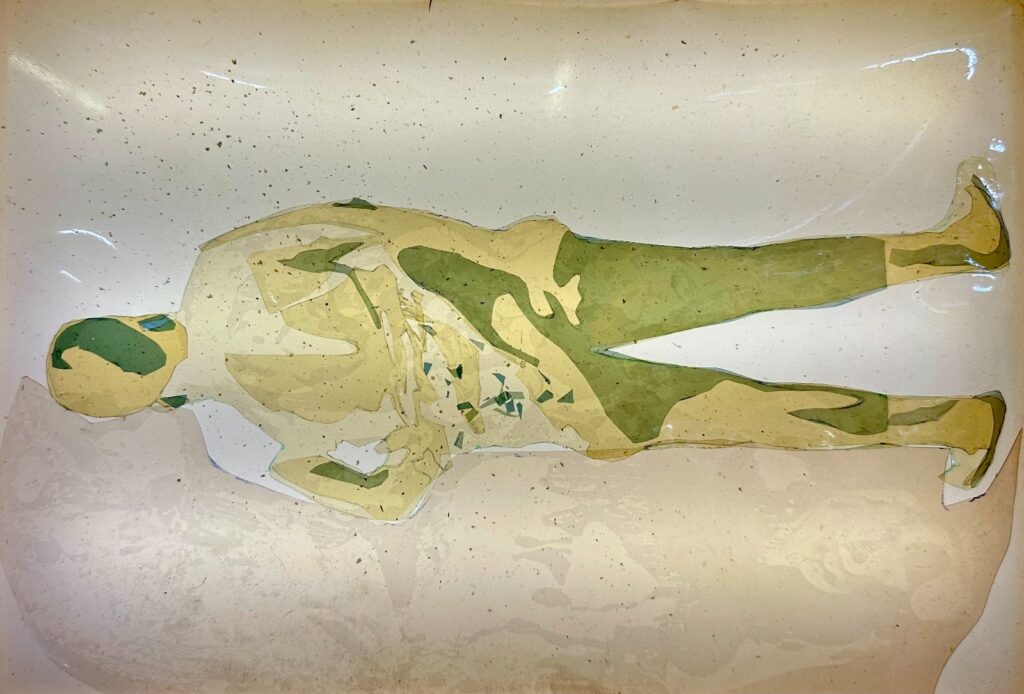
Tarık Bolancı: The question that currently occupies my practice is how the inevitability of death—and the uncertainty that follows it—shapes both the individual and society. Death is not only an ending; it is also an experience that prompts us to reconsider how memory, forgetting, and the scattered fragments left behind take on meaning. The starting point for my work at Mamut was photographing sculptures that depict the dead. This process allowed me to reflect on how a material object transforms into an image, and how traces of posthumous existence can be reimagined through photography.
The resulting scenes appear both familiar and strange. I hope they prompt viewers to confront their own perceptions of death, their experiences of loss, and their ways of facing uncertainty. The work invites them into a space where the boundaries between the living, the dead, and the remembered become fluid.
What do you think being selected for Mamut Art Project will change for you in the future? What new paths, visibility, or professional opportunities do you expect this platform might open?
Beyza Durhan: Being selected for Mamut Art Project will be an important threshold for my work to encounter new disciplines and new audiences. Because my material-oriented production is often process-based, the professional network and visibility that Mamut provides can allow my practice to be discussed in a broader context. What matters most to me is the possibility that this platform will open doors to new collaborations, unexpected dialogues, and forms of engagement that will deepen my practice in the long term. In short, being selected feels less like an outcome and more like the beginning of a more complex and generative process.
Burcu Ejderoğlu: Korosi is a short film, and until now, its journey has taken place mainly through film festivals—cinema screenings, curated selections, and post-screening conversations. Mamut Art Project, however, is an exhibition I’ve followed closely for years; its interdisciplinary structure and curatorial voice have always impressed me. To have my first exhibition experience within such a strong platform is incredibly exciting.
I feel that bringing a film outside the festival screen and into an exhibition space will transform its relationship with the viewer. I know the reactions stop-motion receives in a cinema context, but at Mamut I expect the work to be examined more closely, more slowly, and perhaps with a deeper attention to detail. I am constantly trying to improve myself in character creation, and I’ve always been drawn to large-scale works; I have a strong desire to produce at that scale. The physical presence of Katsi in the exhibition feels like the first step toward that dream, and it offers me an important opportunity to understand how my work can exist in an exhibition context and what I need to consider for future productions.
I don’t have a long list of expectations about what Mamut might bring. I want to focus on the excitement of the moment and the encounters it will create. Meeting artists from different disciplines, discussing the works, and watching Korosi and Katsi meet people outside the film sphere is something that truly excites me. Even the idea of friends meeting Katsi, or a stranger feeling moved enough to take a photo with him, is precious to me. I believe this platform can open doors to new collaborations, new exhibition opportunities, and perhaps even new forms into which Korosi may eventually evolve.
İkra Nur Doğrudil: For me, being selected for Mamut Art Project means increased visibility as well as new experiences. It is exciting to reach more people through the practice I have been developing. Along with this, I hope my work gains a stronger place within the field.
Mahmut Rıfkı Ünal: Being selected for Mamut Art Project is not simply about gaining visibility; it means placing my practice within a new context. I believe this platform will bring my work into contact with viewers and professionals from different disciplines, generating feedback that will transform my production. The space Mamut offers to young artists serves as a threshold toward new collaborations and future exhibition opportunities. Especially during a period in which I am pursuing long-term research on environment and topography, being part of this platform provides motivation as well as a sustainable network for my practice.
In short, Mamut Art is not merely an exhibition space for me; it is a platform that allows the narrative of my work to circulate within a broader ecosystem—contributing to ways of seeing, particularly on sensitive topics such as the human–nature relationship.
Tarık Bolancı: For me, Mamut represents both a significant step forward and an enjoyable journey of discovery. It offers the possibility of reaching audiences I have not yet encountered, engaging in conversations that may reshape my practice, and situating my work within a multidisciplinary environment. I see this moment as an opportunity to understand how my ideas resonate beyond my immediate circle and to explore potential collaborations or new directions for my work. Above all, I hope that participating in Mamut will create a space where the themes I explore—memory, loss, and the traces we leave behind—can find new meanings through the eyes of others.